
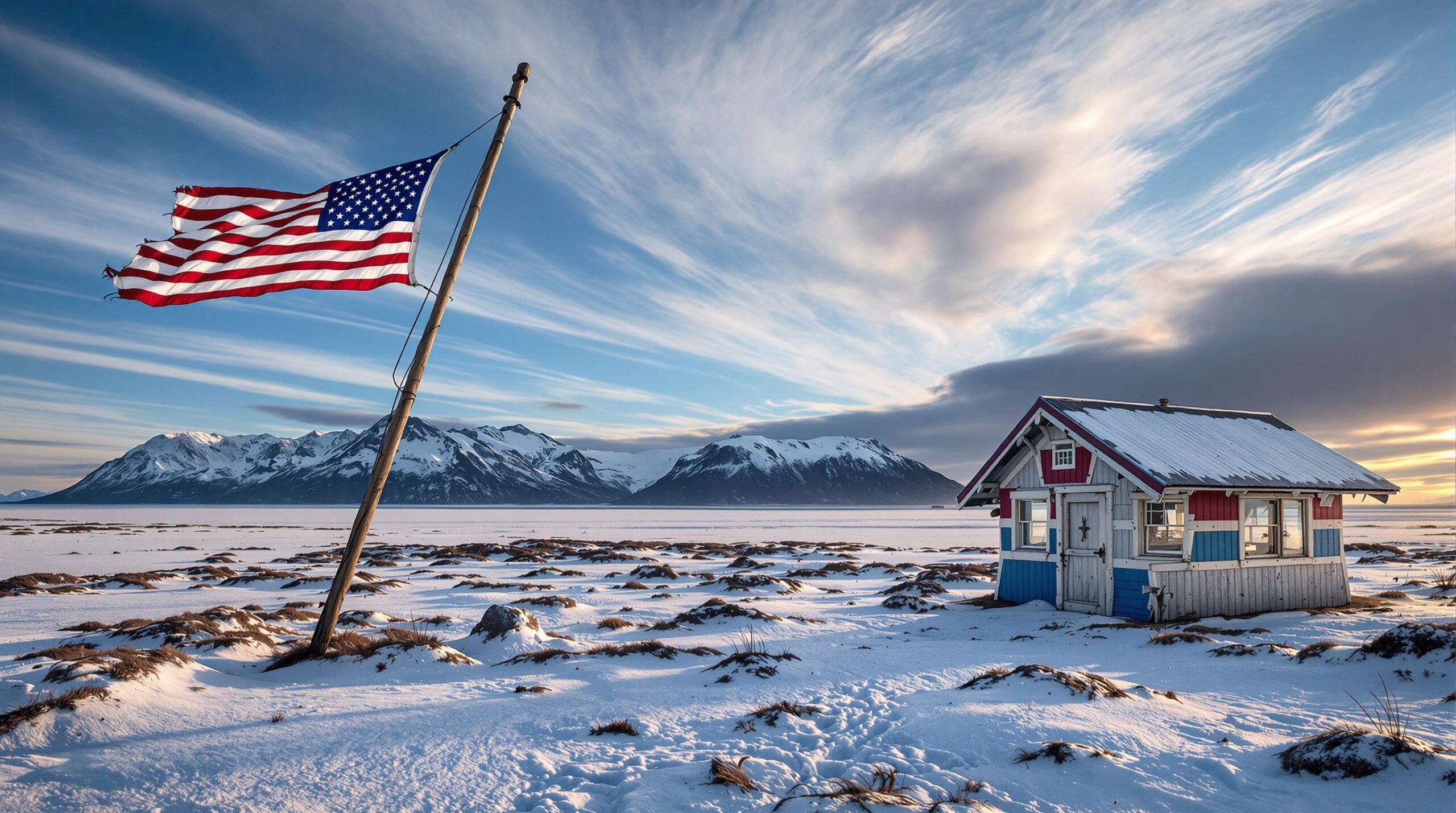
President Trump’s controversial interest in Greenland is taking center stage once again, this time intensified by a visit from high-profile administration figures. Second Lady Usha Vance, wife of Vice President JD Vance, and National Security Adviser Mike Waltz are making headlines with their planned visit to Greenland, injecting an unexpected element into upcoming local elections—raising concerns and protests among Greenlanders.
An Unwelcome Intrusion?
The upcoming Greenland visit by Second Lady Usha Vance and Trump’s National Security Adviser Mike Waltz has sparked significant backlash from local politicians and citizens. Their trip coincides with sensitive local elections scheduled for April 1st, prompting heated criticism about potential interference. Greenlandic member of the Danish Parliament, Aaja Chemnitz, notably spoke out, plainly stating, “It is clear that the Trump camp does not respect our right to self-determination without outside interference.”
Indeed, their presence at such a politically crucial juncture raises profound questions. Sisimiut—the second largest city in Greenland—has already declined a meeting with the visiting delegation, with the mayor emphasizing the impropriety of engaging US emissaries during an election cycle. This refusal underscores a broader sentiment among Greenlanders who feel the visit represents influence rather than courtesy.
Yet beyond local elections, this visit signals deeper geopolitical tensions. Trump’s repeated assertions that the US would acquire Greenland “one way or the other” resonate poorly, tapping into historical sensitivities surrounding sovereignty and self-determination.
A History of Discontent
President Trump’s fixation with purchasing Greenland is nothing new. His abrupt 2019 proposal—swiftly and decisively rebuffed by Denmark and Greenland—was widely perceived internationally as both surreal and insensitive. Greenlanders have repeatedly indicated their own political aspirations: Polling suggests a majority favor independence from Denmark but vehemently oppose US annexation. Trump’s approach contrasts sharply with Greenland’s long-standing pursuit of independence, frustrating many who feel their rights to self-governance are under threat.
Protests in Greenland’s capital, Nuuk, made clear the extent of local dissatisfaction. Around 800 Greenlanders recently gathered to denounce US encroachment with banners demanding international respect for Greenland’s sovereignty. Trump’s aggressive rhetoric, far from building bridges, has fanned the flames of nationalism in Greenland—fueling concerns that American-style Manifest Destiny is making a resurgence in the Arctic.
“Trump’s statements aren’t just frustrating; they outright disrespect us,” explained one protester passionately. “We’re not something to be bought or traded.”
Charm Offensive or Political Misstep?
In the face of heightened criticism, Trump’s administration insists their Greenland outing aims merely to bolster cultural and diplomatic ties. Events on the itinerary, like attending the iconic Avannaata Qimussersu dogsled race, demonstrate a strategic attempt at engaging positively with Greenlandic heritage. Ostensibly, this appears designed to smooth tensions, highlighting an effort to position the US as a respectful partner rather than an overbearing colonizer.
However, skeptical observers perceive even these cultural overtures as thinly veiled efforts at influencing Greenlandic public opinion. Local perspectives remain sharply divided on whether this visit is a sincere effort to respect Greenland’s rich cultural traditions or simply another facet of Trump’s blunt ambition to annex the mineral-rich territory.
Historically, Greenland’s residents have confronted external efforts at control with staunch resistance, whether from Denmark or elsewhere. The direct and indirect effects of US involvement—mostly through military presence since World War II—have already shaped Greenlanders’ wary view of international powers. Trump’s recent maneuvers recall unpleasant memories for Greenland’s indigenous communities, prompting anxieties and spirited activism against perceived external aggression.
Yet there remains opportunity for meaningful, respectful diplomacy. If Trump and his administration genuinely wish to form deeper ties with Greenland, emphasizing collaboration, mutual respect, and honoring Greenlandic sovereignty must be central. Prioritizing proactive dialogue that genuinely respects Greenland’s self-determination is the constructive path forward.
Still, as long as territorial ambitions overshadow genuine partnership, Trump’s Greenland policy risks alienating the very communities he seeks to engage. For a president who frequently touts “America First,” the risks of an “America Only” attitude in Greenland are glaringly apparent: more resistance, heightened controversy, and damaged credibility.
Ultimately, Greenland’s current political atmosphere reinforces the critical importance of respecting sovereign rights and promoting collaborative international relationships. The Trump administration’s next move must stress meaningful dialogue and accept clear boundaries, lest its interests exacerbate existing tensions and push Greenland further from American influence. Navigating this highly sensitive situation demands tact, humility, and sensitivity—qualities the current administration has often notably lacked, yet urgently needs in approaching Greenland.
