
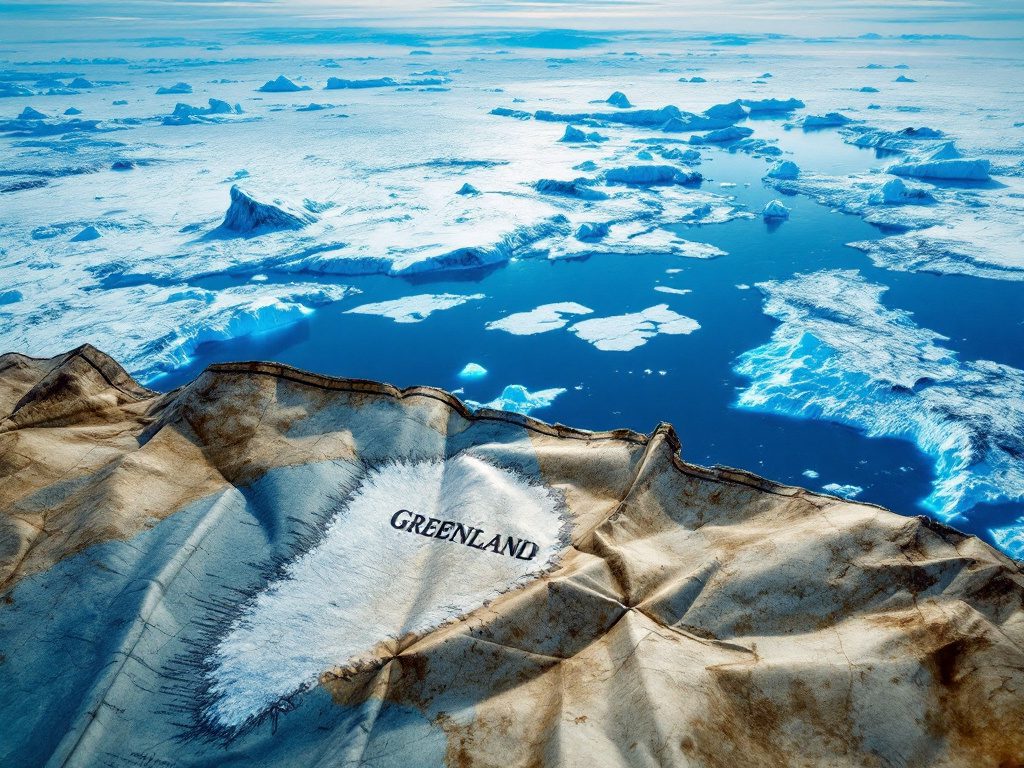
In a striking revival of a controversial aspiration, former President Donald Trump reignited his ambitious plan to acquire Greenland, triggering a detailed White House assessment of the potential costs and benefits associated with the Danish territory. Trump’s renewed interest highlights not only his persistent attraction to territorial expansion but also raises critical questions about the ethics, practicality, and geopolitical implications of such an unprecedented acquisition.
A Revived Dream or Power Play?
The White House’s analysis is the most concrete step yet toward the crystallization of Trump’s longstanding interest in Greenland, a Danish autonomous territory. The detailed assessment reportedly encompasses potential expenditures necessary to provide public services to Greenland’s relatively small population of approximately 58,000. While the current Danish government provides around $600 million annually to support Greenland, Trump’s administration has aimed to position the U.S. as capable of offering a “better deal” financially, potentially drawing Greenland nearer through economic promises.
Yet, the motive clearly extends beyond monetary incentives. Trump’s entourage emphasizes strategic concerns, including the assertion of U.S. dominance in the Arctic and strategic enhancements for American military mobility. Stephen Bannon, Trump’s former chief strategist, has openly emphasized the national security importance of taking control over Greenland, presenting it as an essential element in establishing firm Arctic sovereignty.
Global Reaction and Moral Quandaries
Unsurprisingly, this notion was greeted with disbelief and skepticism, particularly from Danish Prime Minister Mette Frederiksen. She reaffirmed Denmark’s commitment to improving life for Greenland’s people while maintaining their territorial independence. Frederiksen emphasized a crucial aspect: Greenlanders themselves must decide their future. Despite Trump’s administration touting Greenland as a lucrative asset ripe with mineral and energy resources, the Danish Prime Minister questioned the moral legitimacy and sincerity behind these claims.
Beyond diplomatic courtesy, Frederiksen expressed outright astonishment at Trump’s persistence, reflecting broader European unease with the idea of territorial negotiations reminiscent of a bygone imperial era. Trump’s advocacy for “going as far as necessary” to acquire Greenland further solidified concerns among European allies about his administration’s commitment to international cooperation versus unilateral pursuit of national interests.
The Geopolitical Stakes of Arctic Ambition
Delving deeper into the underlying reasons behind Trump’s Greenland fixation, its geographical location emerges as particularly significant. Strategists point out that Greenland occupies a pivotal chokepoint between the Arctic and Atlantic Oceans, rendering it a highly strategic location for military bases, icebreaking operations, and shipping routes.
With increasing global warming opening new maritime paths and intensifying global competition over resources, the Arctic region has become more than a symbol of frontiers—it has transformed into a strategic battleground for dominance in trade, resource extraction, and security. Trump’s fixation aligns with these geopolitical shifts, reflecting heightened global stakes around Arctic control as countries like Russia and China stake aggressive claims.
“With ice melting and shipping lanes expanding, Greenland’s strategic importance is undeniable. However, the idea of purchasing it from Denmark like a territory of colonial times drags international relations back several centuries,” warns an expert in Arctic geopolitics.
The Costs and Realities of Acquisition
Despite its apparent attraction, practical questions concerning Greenland’s acquisition remain largely unanswered. Critics have questioned the wisdom of prioritizing such formidable expenditures, considering the immediate need for extensive public service provisions, infrastructure development, healthcare, education, and environmental management. The complexity of extracting meaningful economic gains from Greenland’s untapped natural resources—made even more challenging by unpredictable weather conditions—is further reason for profound skepticism about the venture’s real economic viability.
This context casts Trump’s revived interest as emblematic of a foreign policy driven by symbolic power more than practical reasoning, potentially detracting from more pressing domestic and international concerns. Furthermore, Denmark’s clarification that Greenland is not simply a tradable asset but a community with agency should compel American policymakers to rethink strategies of soft power and partnership rather than domination.
Rethinking Arctic Policy—a Progressive Alternative
How then does this episode encourage a more progressive approach toward shaping America’s Arctic aspirations? Rather than reverting to the imperial playbook, progressive policymakers argue for a cooperative and inclusive model rooted in environmental responsibility, human rights, and respect for indigenous communities and sovereignty.
President Biden’s administration, unlike Trump’s, has highlighted the importance of international cooperation to fight climate change, preserve sensitive Arctic ecosystems, and ensure sustainable development. From a liberal perspective, Greenland should symbolize not a prize to be won, but a partner for potential Arctic cooperation—one whose rights, resources, and futures deserve respect and mutual benefit.
Experiences of indigenous Greenlanders and the challenges they face due to climate change, unsustainable resource extraction, and social inequalities advocate for policies supporting strong international alliances targeting these global challenges. American Arctic policy could be better invested in technological collaboration, renewable energy partnerships, cultural exchanges, and empowering local governance rather than strategies reminiscent of outdated imperial ambitions.
In essence, Trump’s Greenland gambit offers more than simply a curious piece of political theater—it underscores stark differences in worldviews and policy approaches toward global engagement and power projection. Ultimately, these contrasting visions present Americans with clear choices about their nation’s role on the international stage. Will we reaffirm a commitment to shared values and inclusive international respect, or opt instead for power exercises challenging moral, diplomatic, and financial realities? It’s a decision worthy of thoughtful consideration.
