
Striking a Chord in Macomb: The Theater of Trump’s Michigan Visit
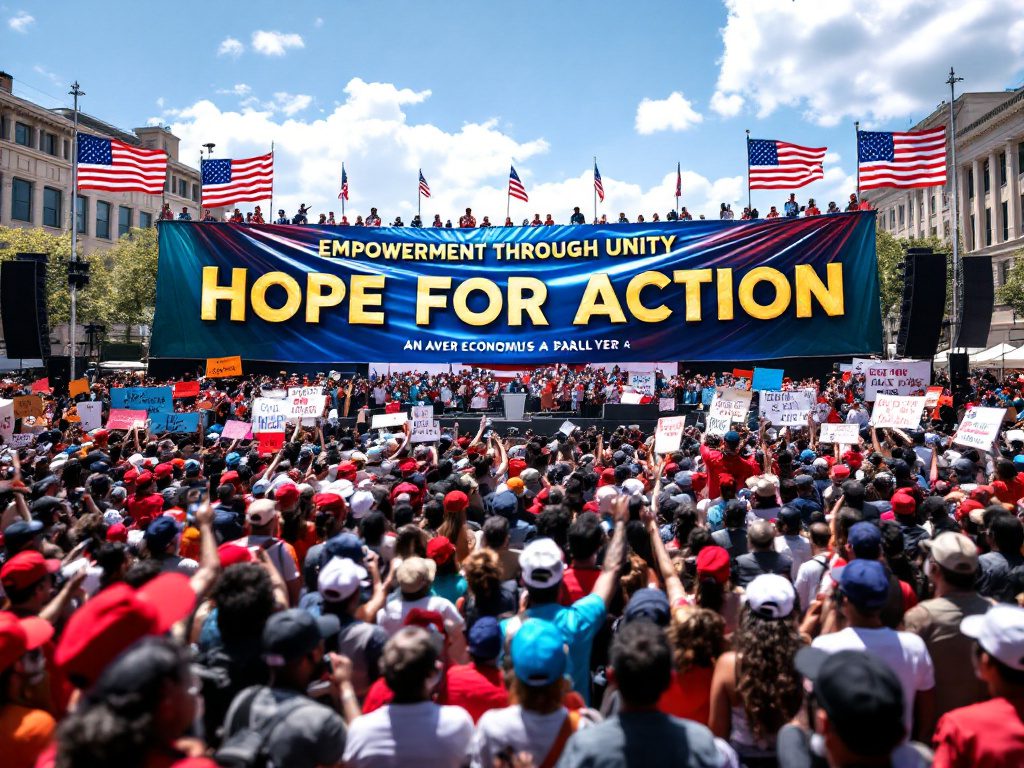
On a gray afternoon in suburban Detroit, long lines snaked outside Macomb Community College as President Donald Trump prepared to take the stage. For some in the crowd, pride crackled in the air—“I have goosebumps. I am proud, and I am excited, and I am thrilled to be here,” shared supporter Samantha Fabbri, echoing a palpable enthusiasm that’s long been Trump’s calling card in Rust Belt strongholds. But across Michigan, jubilation mixed with anxiety as residents reckoned with the tumult—and turbulence—of Trump’s first 100 days in his second term.
Michigan provides a political microcosm for the national drama playing out in Washington. Trump arrived determined to tout new economic initiatives and defense investments, even as headlines swirled about economic instability, immigration crackdowns, and trade uncertainty. The state’s auto industry—the pulse of its economy and identity—hung in the rhetorical balance. Would presidential pledges finally translate into prosperity for Michigan’s working families?
Promises of Steel: Defense Investment and The Michigan Economy
At the heart of Trump’s Michigan tour sat a marquee announcement: Selfridge Air National Guard Base would receive 21 state-of-the-art Boeing F-15X jets, part of a promised $1 trillion national defense investment. The president effusively credited both his administration and Michigan Democratic Governor Gretchen Whitmer for securing this windfall, striking an uncharacteristically bipartisan note as he assured service members their futures—and Michigan’s—were secure.
The symbolism wasn’t lost on observers. Defense spending reliably boosts local economies, supporting union jobs and supply chains that ripple through communities. “This base is vital to our national defense and good-paying jobs,” affirmed Gov. Whitmer in a rare moment of cross-aisle consensus. Yet, history shows defense dollars offer unpredictable solace—fluctuating with political winds and rarely replacing stable, broad-based economic growth. Detroit automakers, still healing from decades of job losses and automation, know firsthand the fickle nature of federally driven prosperity.
Expert voices tempered the rah-rah rhetoric. According to MIT economist Susan Helper, “Defense contracts bring short-term boosts, but they cannot anchor a region’s long-term economic health. Michigan’s future depends on robust, diversified industries—not just military hardware.” The president’s big-ticket promises may feel good in the short run, but advocates warn they offer chilly comfort against the backdrop of broader economic uncertainty.
Economic Nationalism vs. Reality: Tariffs, Trade, and Auto Industry Anxiety
Beyond military hardware, Trump leaned into a familiar refrain: \”Automakers are calling this administration at levels you’ve never seen before.\” He framed tax and tariff policy as the backbone of a manufacturing revival, crediting aggressive economic nationalism for pulling industrial jobs back from Mexico and China. On paper, the pitch is simple—penalize offshore production, reward domestic investment. But beneath the surface, cracks are showing.
Michigan’s economy lives and dies by the success of automakers. The auto sector supports one in every five Michigan jobs, a chain that stretches from parts suppliers in Flint to engineering offices in Ann Arbor. Yet, Trump’s tariffs have sparked acute pain for these ecosystems, ratcheting up the price of imported steel and aluminum, and provoking retaliatory countermeasures by trading partners. The result? Uncertainty for businesses and higher costs for consumers. According to a 2024 Pew Research report, Michigan business confidence nosedived after the administration’s latest round of tariffs, prompting layoffs, delayed investments, and warnings from auto executives who note they “need certainty, not chaos.”
“Tariffs may make for good slogans, but they’re a disaster for modern supply chains,” warned Michigan state Sen. Jeff Irwin. “This reckless, chaotic approach has been incredibly damaging to the American economy.”
Vivid disagreements split the Michigan electorate. While Trump’s speeches drew lines of sign-waving loyalists, many moderate voters—and those in hard-hit union households—felt the sting of lost exports and stalled factory projects. History offers little comfort to those betting on trade wars: the Bush-era steel tariffs of 2002 led to 200,000 American job losses in a single year, according to the Consuming Industries Trade Action Coalition. Decades later, U.S. workers remain wary of protectionist promises.
Polarization, Political Theater, and the Price of Uncertainty
Why does Trump’s brand of economic populism still resonate with swaths of Michigan voters? Republican loyalist Brian Pannebecker, founder of “Auto Workers for Trump,” declared the president’s first 100 days “an 11 out of 10,” insisting that time—and more supply chain onshoring—would validate Trump’s approach. This faith in tough talk recalls scenes from the 1980s, when rallying cries for renewed industrial might drowned out warnings of global market realities.
Still, beneath the surface, frustration simmers. Progressive leaders and many working-class voters are left asking: Are we fighting for the factory jobs of yesterday, or preparing the workforce for the clean-tech future of tomorrow? As the White House touts short-term defense dollars and temporary tariff relief, Michigan’s next generation faces a crossroads. The innovation and adaptation that once defined the Motor City’s heyday cannot be recaptured through isolationist decree and presidential swagger alone.
Policymakers across the aisle would do well to heed the lessons of Michigan’s past. Real security—economic or otherwise—flows from smart investments in education, green technology, and global partnerships that open new markets rather than close old ones. American leadership depends not on saber-rattling, but on rebuilding trust, strengthening alliances, and ensuring shared prosperity for every community.
