
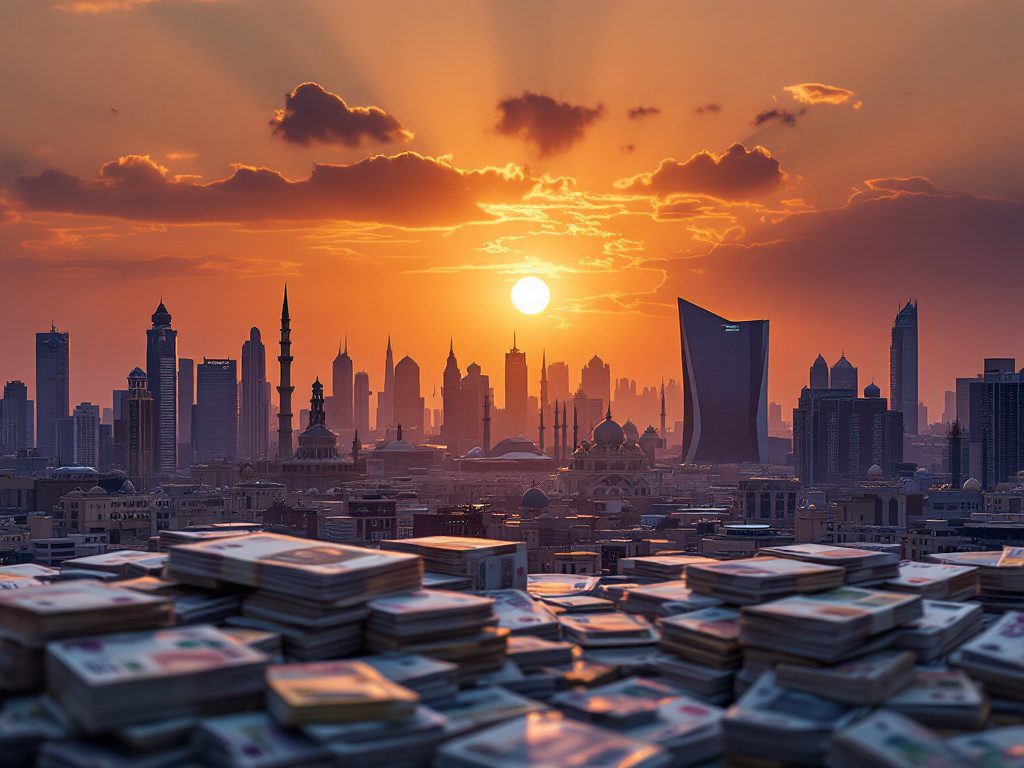
Power, Oil, and Optics: Unpacking Trump’s Gulf Sojourn
Arriving in Riyadh on a shimmering spring morning, President Donald Trump will kick off a multi-nation jaunt through the Persian Gulf — the opening act for his second term’s foreign policy ambitions. Highlighting the visit’s urgency, Saudi Arabia’s de facto ruler, Crown Prince Mohammed bin Salman, was the very first foreign leader Trump called after returning to the White House. Headlines trumpet billion-dollar pledges and photo ops, but a closer look reveals deeper stakes: fragile regional alliances, the ghost of inflation back home, and Trump’s dogged faith in transactional diplomacy.
This tour comes just days after Trump’s scheduled attendance at Pope Francis’s funeral in Rome, an evocative symbol of international bridge-building — or, in the eyes of critics, stage-managed global theater. On the substantive front, the White House says the trip aims to “strengthen economic ties” across the Gulf. Trump is reportedly pushing the Saudis to up a prior $600 billion investment promise to a staggering $1 trillion for the U.S. market. Publicly, he frames such windfalls as job creators and proof of his “,America First” strategy, promising to “level the global trade field.”
Behind closed doors, the picture is more complex. This investment race comes on the heels of Trump’s controversial tariff tour: his pause on duties hitting all U.S. trading partners, including the Gulf bloc, has introduced uncertain relief while leaving long-term stability in limbo. According to a Brookings Institution analysis, the stop-and-go nature of Trump’s tariffs has rattled multinational investors and U.S. manufacturers alike, breeding an atmosphere of “whiplash economics” that undermines sustainable growth.
The Shadow of War and the Reality of Diplomacy
Regional security looms as a specter haunting every bilateral roundtable set for Trump’s visit. Israeli Prime Minister Benjamin Netanyahu, the first international guest Trump received during this term, has already pressed him to lower U.S. tariffs on Israeli goods and help broker a release of hostages in the relentless Israel-Gaza conflict. Yet even as these issues simmer, sources close to the administration say hardline stances on Iran and Palestine remain—predictably—unchanged.
This is hardly surprising. Trump built his first and now second presidency on bold declarations: threats of military action if Iran’s nuclear ambitions cross a red line, hawkish cheerleading for “peace through strength,” and fervent courtship of regional strongmen. Harvard political historian Dr. Leila Saad observes that, “Trump’s playbook is an echo of Cold War-era power projection — all sticks and inducements, little patience for multilateral compromise.” This style has won him swift headlines but few durable wins. Even allies privately complain of American unpredictability, a grievance voiced by several Gulf officials in off-the-record briefings to Politico.
All the while, the Ukraine war rages on another front. White House press secretary Karoline Leavitt has confirmed that Trump’s special envoy, Steve Witkoff, is continuing ceasefire talks with Russia. Yet she sidestepped questions about whether these diplomatic efforts would bleed into the Middle East agenda. Such compartmentalization betrays a lack of strategic integration: why not seize every high-profile gathering as a platform for global peacemaking?
“The pattern of transactional diplomacy—demanding short-term wins while ignoring the region’s underlying fissures—rarely leads to lasting peace. Gulf powerbrokers may smile for the cameras, but few forget who flexed hardest at the last negotiation table.”
Recent history is instructive. During Trump’s first term, his so-called “Deal of the Century” was marketed as a pathway to peace but left Palestinians further marginalized and emboldened hardliners on all sides. A repeat performance, but on economic terrain, could well deepen resentments instead of relieving them.
Billion-Dollar Pledges, But Who Benefits?
Saudi Arabia’s much-hyped investment spree comes with strings attached. Gulf capital is rarely gifted without expectations: direct influence in Washington, privileged access to U.S. technology, and favorable trade arrangements typically ride shotgun on these financial waves. When Trump touts the promise of “$1 trillion in new jobs and prosperity,” progressive economists urge caution. As Nobel laureate Joseph Stiglitz famously warned, “Foreign investment is no panacea — when it’s unaccountable, it tends to enrich corporate elites while hollowing out domestic industries.”
American workers, particularly in manufacturing and energy, have seen this script play out before. In the early 2000s, ambitious trade agreements with China and the Gulf fueled Wall Street booms, yet also accelerated wage stagnation and offshoring on Main Street. According to a recent Pew Research Center report, the majority of Americans now view free trade deals warily, citing concerns that benefits trickle upward rather than downward. Today’s tariff brinksmanship and billion-dollar handshake deals risk repeating history instead of charting a fairer course.
The Middle East tour also renews focus on climate hypocrisy. The UAE and Saudi Arabia trumpet “green investments” and splashy carbon-offset programs, yet remain among the world’s top oil exporters, even ramping up production to cushion global price swings. Trump, for his part, has treated climate policy as a wedge rather than a pillar of U.S. diplomacy, mocking science-based targets at home even as U.S. cities endure record heat and wildfire seasons. The quest for short-term investment shouldn’t mask the urgent need for coordinated climate action, a value progressive leaders insist must anchor every high-level negotiation moving forward.
If history teaches us anything, it’s that alliances built on transactional bravado and short-term photo ops rarely offer sustainable dividends — least of all for working-class Americans or the most marginalized communities overseas. Those hoping for a new era of authentic internationalism and equitable economic growth will find little solace in the spectacle of Trump’s Gulf parade. The burden is now on Congress and civil society to demand transparency, accountability, and lasting vision as these deals take shape in the months to come. We owe it to ourselves—not just our headlines—to demand more than hollow billion-dollar promises.
