
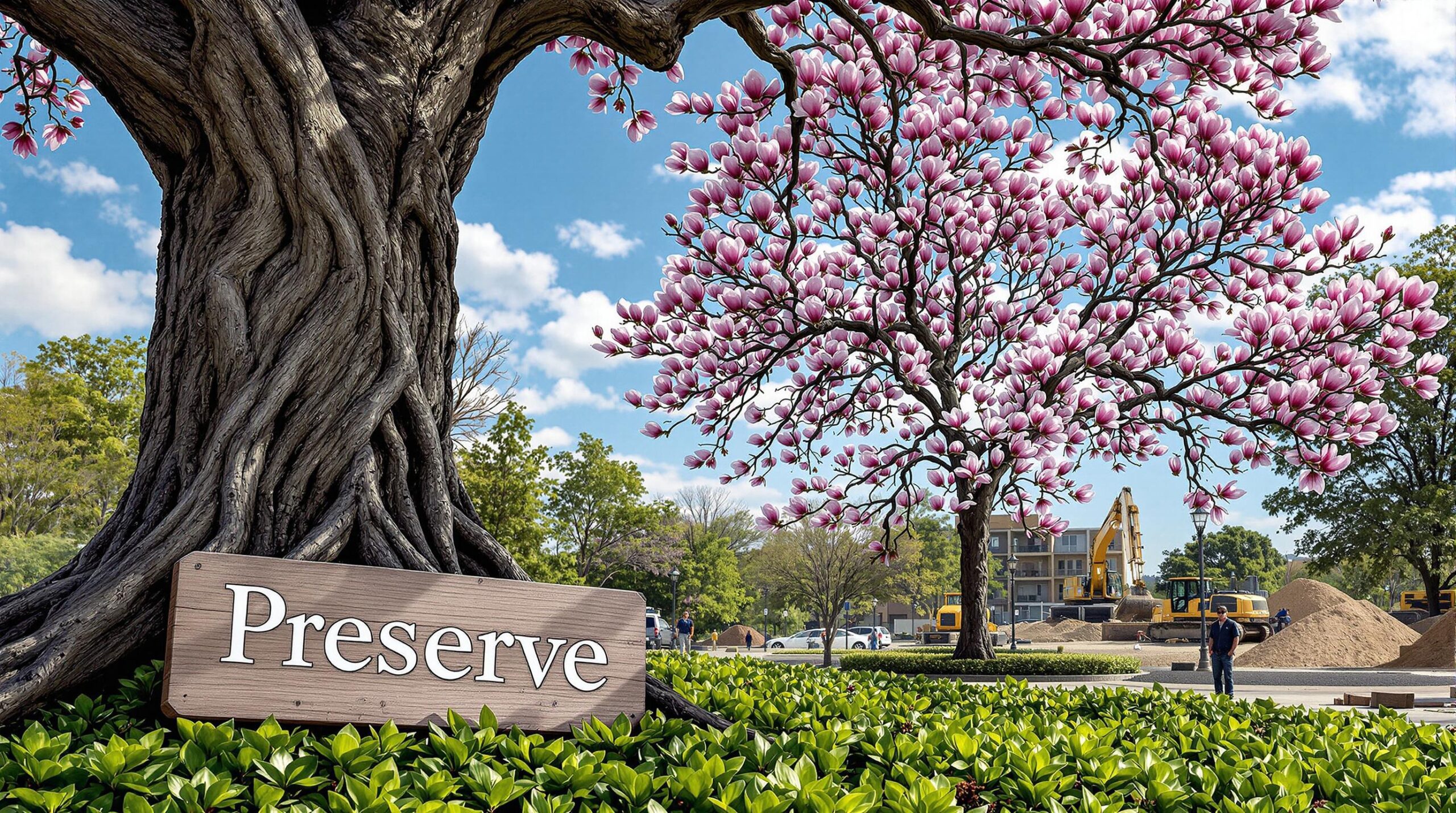
The recent announcement from former President Donald Trump about the removal of a nearly 200-year-old magnolia tree at the White House has sparked significant debate across the nation. On Truth Social, Trump declared the USS Southern Magnolia, widely believed to have been planted by President Andrew Jackson in memory of his late wife Rachel, “must come to an end” due to its declining condition posing safety risks to visitors and staff.
Yet, the removal of this iconic tree has ignited a deeper discussion on how we balance historical preservation with necessary progress.
A Witness to American History
Since its planting purportedly during Jackson’s presidency between 1829 and 1837, this magnolia has silently witnessed historic moments, from wars and inaugurations to pivotal protests for civil rights and women’s suffrage. Declared a “Witness Tree” by the National Park Service in 2006, it has stood as a living marker of American history, underscoring the value and authenticity of remembering our collective past.
Yet, intriguing historical debate persists over the actual origins of this magnolia, adding an extra layer of complexity. Photographic evidence from the 1860s suggests the magnolias may have first appeared near the White House’s South Portico decades after Jackson’s administration ended. This discrepancy, therefore, raises legitimate questions about its authentic connection to Andrew Jackson, fueling conversations about the necessity and nature of preservation.
The Safety and Sustainability Challenge
Safety is paramount, and according to Trump, the tree has tragically deteriorated to the point of becoming a “very dangerous” hazard. The tree, already having experienced significant damage including a major injury from a plane crash in 1994 and extensive pruning in 2017, has struggled to survive.
Beyond that, conservationists and arborists suggest that extensive pruning and interventions in recent years were critical but ultimately insufficient in salvaging the tree’s structural integrity. Trees, like all living entities, have life cycles, and there comes a point where intervention is no longer fruitful.
However, the decision to remove the magnolia highlights an ongoing tension evident in many historic preservation decisions. Must history bow to practicality and genuine safety concerns? And if so, how do we thoughtfully preserve and respectfully remember these symbolic natural monuments?
“Removing the tree is not just about safety; it’s about responsibly stewarding our shared historical legacy,” remarked environmental historian and preservation advocate, Dr. Susan Rivera.
The Role of Symbolism: Progress Versus Preserving National Identity
Critics argue Trump’s decision to remove this iconic tree aligns disturbing symbolism with reality—suggesting a broader disregard for the historical integrity and natural landscape of a presidential space already steeped in symbolism. Given Trump’s repeated expressions of admiration for Jackson, the irony in choosing to remove a tree so closely associated with Jackson’s legacy has provoked intense scrutiny.
Indeed, Trump’s association with Andrew Jackson—both populist presidents revered by many conservatives—makes this decision even more baffling. Yet, others see symbolic value in carefully reusing the historic wood from this tree, preserving memories through artifacts or pieces accessible to the public, possibly turning an apparently destructive act into one of hope and responsible legacy stewardship.
While replacing the tree with a new one stands as a powerful symbolic move representing rebirth and renewal, critics worry it could also signal a carelessness toward historical touchstones of national memory and identity. The very elements tying generations together—symbols as significant as historical flora—demand due consideration, respect, and nuanced handling.
Ultimately, this debate revolves around our collective responsibility in managing and preserving historical resources. It’s a challenge facing preservationists nationwide who grapple regularly with how to balance the needs of the present against the historic significance of the past.
Undoubtedly, the decision to remove the USS Southern Magnolia highlights broader dialogue about our evolving responsibilities to history, sustainability, and the policies framing each. Both preservation and progress must find equilibrium, reflecting deeper commitments to respect history while responsibly making way for the future.
As the nation considers the removal of the historic magnolia, perhaps the most poignant lesson is that true carefully considered progress must also respect its rooted past.
