
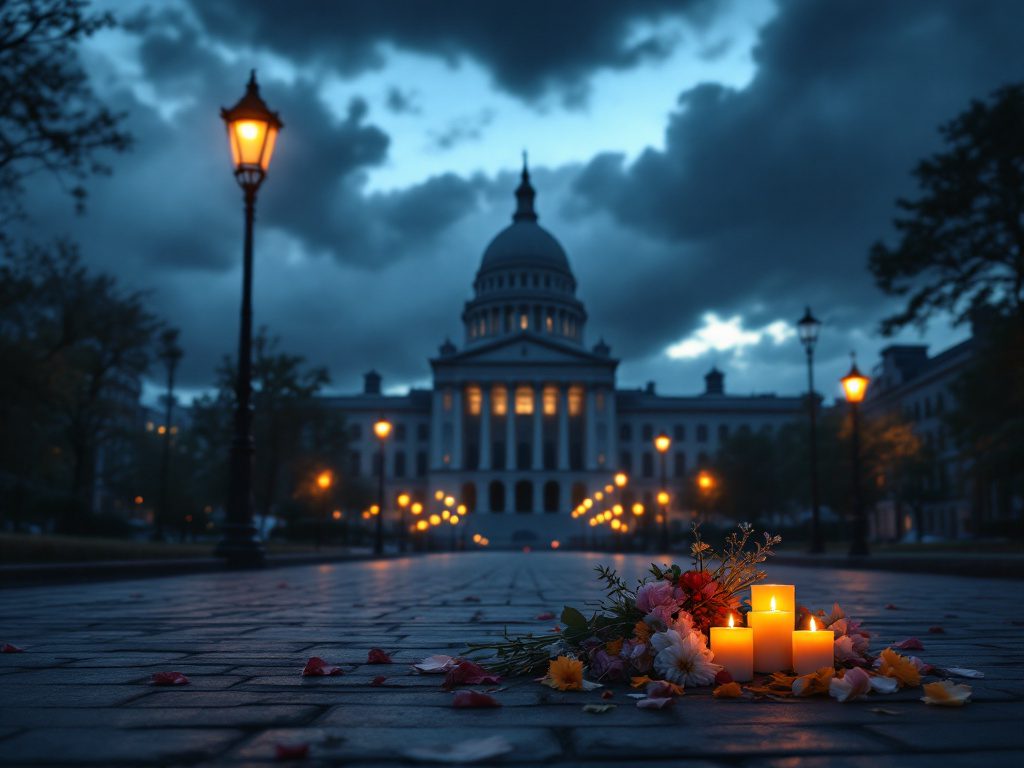
A Community on Edge: The Reckoning in the Tyre Nichols Trial
On a frigid January night in 2023, Tyre Nichols cried out for his mother, just blocks from home, as Memphis police officers unleashed a barrage of blows that would later spark national outrage and urgent calls for reform. Today, that pivotal tragedy enters its final, decisive chapter inside a Tennessee courtroom. Closing arguments have wrapped up in the state trial against former officers Tadarrius Bean, Demetrius Haley, and Justin Smith, drawing renewed attention to what justice means for Nichols, his family, and a nation grappling with persistent police misconduct.
The significance of this moment cannot be overstated. The officers, charged with second-degree murder, aggravated assault, and other counts, have become emblematic of broader problems within American policing — particularly in communities of color. According to legal analysts and activists alike, the Nichols case is not simply about a group of men accused of a horrific act during a routine traffic stop; it’s about the systemic failures and unchecked aggression that have haunted policing for too long.
The jury — carefully selected from Hamilton County after the defense successfully argued for a venue change — faces weighty evidence. Key among it: bodycam and pole camera footage showing not just relentless violence, but chilling indifference. Officers were seen standing over Nichols, chatting and laughing, as he writhed in pain.
The Weight of Evidence: Undeniable Brutality, Disputed Responsibility
During the testimony phase, prosecutors and defense attorneys presented dueling narratives that felt familiar to anyone who has watched similar cases unfold across America. But in one crucial instance, even the defense’s own police training expert, Don Cameron, conceded under oath: repeated strikes to Nichols’ head were “unnecessary and excessive.”
Prosecutors hammered home the gravity of the officers’ actions, emphasizing that by the time Nichols’s limp body was left on the ground, his cries—“Help me”—had gone unanswered not just by individuals, but by an entire institution. They argued convincingly that criminal responsibility doesn’t require each officer to have thrown every punch. Assistance, encouragement, or simply failing to stop the violence, can be grounds for conviction. Harvard law professor Ken Fain notes, “American juries have struggled with the idea of collective culpability in these cases, but it’s essential when examining the power dynamics and culture inside police departments.”
The prosecution also refuted the defense’s attempts at scapegoating or obscuring facts. An effort by Demetrius Haley’s attorney to introduce an alternative factual narrative—effectively contesting the prosecution’s theory of the case—was shot down by Judge James Jones Jr., who rejected changes to jury instructions that would undermine the core charges. This judicial firmness sends a message: creative legal maneuvering cannot neutralize the explosive reality caught on tape.
The defense had sought acquittal on the grounds of insufficient evidence, a common tactic in cases where police use-of-force is under scrutiny. Yet Judge Jones, after careful deliberation, denied the motions, pointing instead to the powerful and disturbing mosaic of footage, bystander testimony, and damning expert analysis.
“By the time Nichols’s limp body was left on the ground, his cries—‘Help me’—had gone unanswered not just by individuals, but by an entire institution.”
Jury instructions were clear: even those officers who may not have struck the final blows share guilt if they aided, directed, or did nothing to prevent the violence. If history is a guide, securing a conviction against law enforcement is never certain, but the clarity of evidence sets this case apart.
National Reverberations: Police Reform and American Conscience
Beyond the Memphis city limits, the Nichols case has again forced a nation to reckon with how law enforcement’s darkest moments are handled. The footage of Nichols’s beating is now etched into the collective American memory, much like that of Rodney King or George Floyd. Each instance renews old wounds and echoes a resounding demand for accountability. According to a 2023 Pew Research Center survey, over 65% of Americans believe major changes are still needed to address racism and excessive force in policing—numbers that only rise in the aftermath of high-profile deaths like Nichols’s.
Nationally, this trial has fueled debates about police culture, transparency, and the legal hurdles facing victims of brutality. While advocates for reform have praised the decision to prosecute all involved officers, some worry changes on the ground remain sporadic and slow. Small policy shifts—such as limits on “no-knock” warrants and increased use of body cameras—don’t address the underlying culture of impunity. Criminal justice reformer Rachael Edwards argues, “Real change demands more than policy tweaks; it means uprooting the very mindset that devalues Black lives in the first place.”
Cases like Nichols’s also have consequences for neighborhoods long distrustful of law enforcement. In Memphis, many residents report feeling both traumatized and vindicated by the attention on their city. Local activist Marcus Henry recalls seeing protests transform from rage to determined activism. “People finally feel heard,” he says, “but healing requires real penalties for wrongdoing—not just more promises.”
History shows this is no anomaly. The pattern of excessive force, institutional loyalty, and seldom-prosecuted officers persists, despite decades of blue-ribbon commissions and symbolic reforms. Will this verdict signal a shift? The world, and especially Black America, is watching.
The Urgency of Justice: What Comes Next
Juries face a momentous charge—and beyond the verdict, a nation must reflect on the kind of policing it expects, and deserves. By denying motions for acquittal and allowing damning evidence to be weighed fully, the court has already taken a vital step—but one that will matter only if its outcome sparks lasting change. Accountability is not vengeance; it is the foundation of public trust.
As the Nichols family and their supporters anxiously await the jury’s decision, the facts laid bare are chilling: excessive force wielded as routine, callous disregard in the face of pain, and stonewalling in the aftermath. What does it say about American justice if—despite undeniable video, expert testimony, and a chorus of public anger—true accountability remains elusive?
Echoing the urgent question at the heart of this trial: Will Nichols’s cries finally be heard—not merely in the courtroom, but in legislation, oversight, and a transformation of police culture itself? This moment is a test not just for Memphis, but for a nation deciding what accountability, compassion, and justice really mean.
