
A System at Its Breaking Point
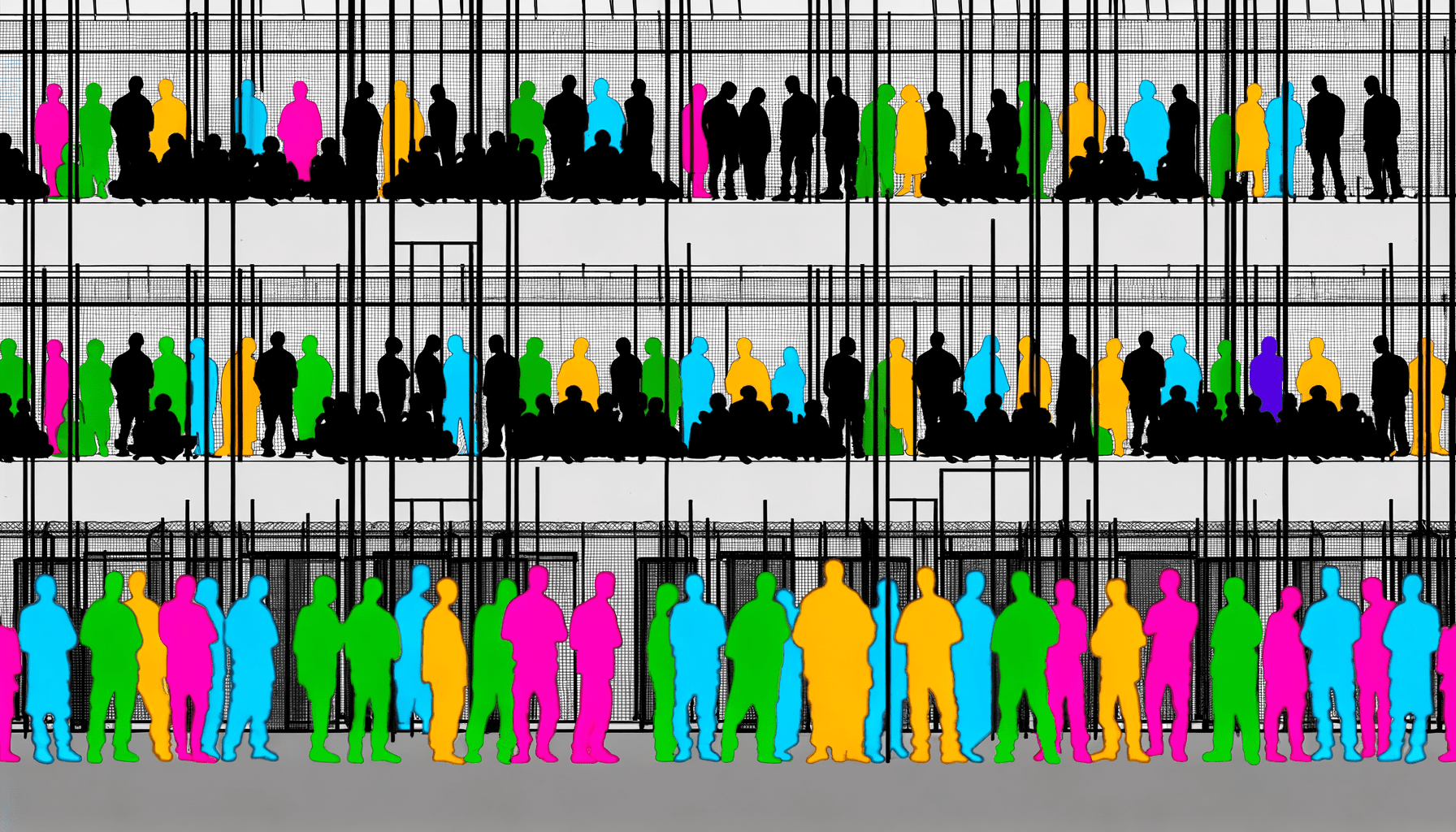
The United States has reached an unsettling milestone with immigration detention centers now housing an unprecedented 47,600 detainees. This figure starkly surpasses ICE’s funded capacity of 41,500, illustrating the devastating human toll of President Trump’s stringent immigration policies. Seeking rapid expansion, the Trump administration has called upon additional resources from the U.S. Defense Department, the U.S. Marshals Service, and the Bureau of Prisons, further underscoring their commitment to ramped-up enforcement measures.
Trump’s immigration czar, Tom Homan, has given sobering insight into the scale of ambition within the administration. His assertion that at least 100,000 detention beds would be required perfectly encapsulates the troubling magnitude of the president’s immigration crackdown. This aggressive push for mass incarceration of undocumented immigrants is a glaring manifestation of a broader conservative agenda that prioritizes punishment over humane solutions.
Misguided Motives and Moral Reckoning
President Trump has asserted repeatedly that the intensification of enforcement measures is necessary in response to the “high illegal immigration rates during the Biden administration.” However, this rhetoric glosses over the reality of immigration in the United States, consciously ignoring that many immigrants, encompassing children, families, and vulnerable populations seeking refuge, are fleeing profoundly dangerous and untenable conditions in their home countries. Trump’s harsh initiatives like declaring a national emergency at the southern border, halting refugee admissions, and implementing policies such as the “Remain in Mexico” edict have crafted a landscape of despair and fear.
President Trump’s immigration policy reflects a deeply concerning ideological struggle dating back decades in conservative circles, one that increasingly views immigration through a lens of suspicion, fear, and punitive justice. The administration’s approach overlooks the countless contributions immigrants offer to America’s cultural tapestry, economy, and society at large. Such measures not only dehumanize detainees but grievously undermine the founding American principles of diversity and compassionate inclusion.
Detention without Dignity: The Human Cost
Trump promised a decisive break from past policies, claiming rapid deportations as essential to restoring order. Yet, ICE statistics reveal a startling picture—it made approximately 32,800 arrests from January 20 to March 10 alone, with more than a quarter targeting individuals whose sole infraction was immigration status. Crucially, unlike earlier administrations, this outwardly aggressive enforcement tactic explicitly targets those without criminal records, amplifying feelings of insecurity for millions whose only desire is a better life.
Families torn apart, children confined behind fences, and individuals deprived of basic dignity—such troubling images evoke profound shame and ignite widespread moral outrage. Human rights advocates fiercely contend that these detentions often amount to unjustifiable and egregious human rights violations: detainees languish in centers plagued by allegations of abuse, overcrowding, medical neglect, and unsanitary conditions. Far from resolving immigration issues, Trump’s strategy has significantly aggravated them, calling moral integrity and justice into question.
Liberal Foundations: Pathways to Compassionate Reform
Advocates of progressive immigration reform fiercely promote comprehensive and humane approaches, such as expanding lawful pathways for immigration, implementing timely legal processing for refugees and asylum seekers, and prompt hearings conducted with dignity and due process. Liberal-minded solutions seek to honor America’s ideals and the obligations of decency by strongly opposing indiscriminate mass detention practices and demanding the immediate improvement of living conditions inside detention facilities.
The contrast between Trump’s blanket and punitive approach and the humane, just policies embraced by progressive reformers clearly demonstrates the urgency of reassessment. The tragic, human consequences brought by the current approach call for adopting viable, humane strategies directly addressing root migration causes—poverty, political instability, climate disasters, and endemic violence are among them.
A Community of Conscience
A genuinely progressive vision of America demands that all its citizens recognize their collective social responsibility to support and uplift marginalized and vulnerable immigrant populations, not persecute or exclude them. It is a vision demanding urgent change in direction—a call to action that inspires advocacy, elevates compassion, and, critically, challenges outdated conservative ideas that ignore the complexities of immigration.
Ultimately, the success of America thrives not on exclusion, fear, or punitive action, but on openness, empathy, and collective humanity. In holding firm to these elevated ideals, progressive ideas reaffirm a fundamental truth—that America can liberate itself from the shadows of mass incarceration and offer every human being dignity, respect, and justice. This critical moment provides an opportunity to reshape the narrative and realign immigration practices to uphold America’s historic humanitarian obligations.
We must approach immigration from a place of empathy and understanding—not incarcerate ourselves into a morally compromised and unjust system that devalues human life. U.S. immigration policy is at a crossroads, and it’s up to progressives to lead the charge toward change rooted firmly in empathy and fairness.
