
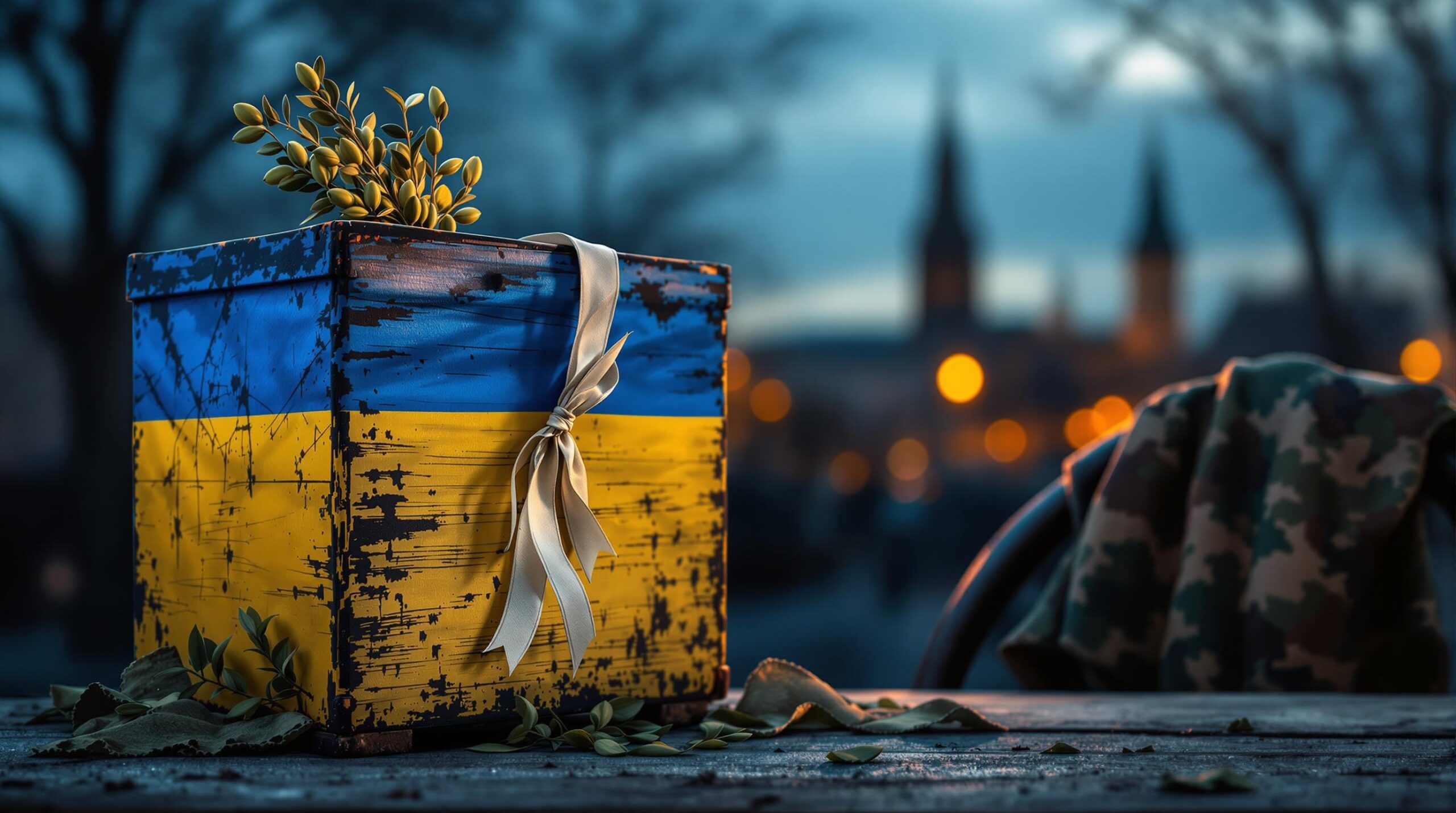
As Ukraine struggles with the fierce realities of war and political instability, the announcement by U.S. Special Envoy Steve Witkoff that Ukraine has agreed to hold presidential elections has ignited global debate. Witkoff, mediating between Kyiv and Moscow under Donald Trump’s administration, confirmed the intention to proceed despite the wartime context and the considerable risks involved.
Democracy Under Fire: Elections Amid Martial Law
Under usual circumstances, elections represent democratic growth and the freedom to choose. However, in Ukraine’s extraordinary situation — with martial law in effect since February 24, 2022, due to Russia’s aggressive actions — the promised elections raise grim concerns. Holding elections during wartime presents not only logistical nightmares but significant fears regarding Russian interference, voter displacement, and compromised legitimacy.
With thousands of Ukrainians displaced or living precariously in conflict zones, the capacity for safe, free, and fair elections is deeply questioned. Analysts caution that conducting elections under these conditions could inadvertently underscore Moscow’s narrative, framing Ukraine as politically unstable and disorganized. As Steve Witkoff himself notes, there’s been no official affirmation from Kyiv of their commitment to election plans, revealing a troubling disconnect and potential international pressure playing into these decisions.
What does this mean for the average Ukrainian caught in the crossfire? Historically, elections in volatile zones often exacerbate tensions and divisions, potentially further victimizing those already struggling. Yet, the absence of legitimate elections could lend credence to harmful narratives from Russia and factions critical of Ukraine’s government, making the decision truly a catch-22.
Zelensky at a Crossroads: Political Future Uncertain
For President Volodymyr Zelensky, whose leadership has become emblematic of Ukraine’s resistance, these elections could be decisive. Witkoff’s comments highlight a critical uncertainty: Zelensky’s political survival amidst conceded territorial losses and deteriorating international relationships. Ukraine’s ability to recognize territorial concessions constitutionally remains uncertain, creating an opaque and challenging scenario for its leader.
“To acknowledge territorial losses may very well cost Zelensky politically,” Witkoff acknowledged. Indeed, the weight of Putin’s continued territorial aggression and constant international scrutiny could test Zelensky’s administration profoundly. While Zelensky has been widely praised for his resilient response to Russia’s invasion, these elections, and their outcomes, could force a paradigm shift in Ukrainian politics.
“Recognizing territorial concessions constitutionally could dismantle Zelensky’s support, challenging his authoritative stance against Russian aggression.”
Further complicating Zelensky’s circumstances are the implications of his and head of office Andriy Yermak’s reported agreements with the U.S., notably the understanding that NATO membership won’t be pursued. Removing prospective membership does remove one obstacle for peace negotiations but simultaneously weakens Ukraine’s negotiating power and international security standing.
The Crimea Dilemma: Territorial Claims and Global Recognition
Beyond elections and internal politics, Witkoff underscored a critical issue: the disputed status of Crimea, Donetsk, Luhansk, Zaporizhzhya, and Kherson. Ukraine steadfastly rejects Russian-annexed territories gained through referendums widely denounced as illegitimate internationally. Still, according to Witkoff, “the overwhelming majority of the people have indicated that they want to be under Russian rule,” an assertion representing a contentious narrative flying in direct opposition to global consensus and sovereignty norms.
The international community continues to question the validity and ethicality of these referendums. Indeed, no reputable global democracy has recognized Russia’s annexation claims, maintaining strong stances on territorial integrity and national sovereignty. Suggesting otherwise risks undermining fundamental international principles and encouraging further aggressive acts under the justification of manipulated populism.
History shows us that territorial disputes rooted in dubious referendums rarely conclude peacefully. The Crimea issue particularly sidelined significant diplomatic progress. Witkoff indirectly highlighted this reality by indicating that these territories remain central features in prospective peace negotiations. The question remains: if global powers compromise on these points, could it set troubling international precedents?
Washington’s Complex Role: Mediator or Meddler?
Steve Witkoff and the Trump administration have assumed critical roles in brokering peace between Kyiv and Moscow. But Trump’s characterization of Zelensky as a “dictator without elections” adds troubling dynamics to U.S.-Ukraine relations. Washington’s pressures may push Kyiv toward politically precarious positions rather than sincerely supportive, strategic commitments.
Moreover, Witkoff’s statements on Ukraine’s potential NATO exclusion carry weighty implications. NATO membership has historically provided substantial security assurances against aggression. Removing this pathway weakens Kyiv’s strategic position, potentially forcing Ukraine into accepting vulnerability rather than fostering enduring peace.
We must consider carefully: is Washington genuinely mediating in Ukraine’s best interests, or could it be unwittingly undermining Ukraine’s autonomy by aligning with certain Kremlin narratives? These questions remain unanswered yet particularly significant to Ukrainians who have placed considerable hope in democratic ideals and international solidarity against aggression.
Ultimately, Ukraine faces monumental choices under devastating circumstances. Its leaders and people confront decisions that will profoundly shape their country’s democratic futures and sovereign integrity. The international community, particularly democracies valuing freedom, equality, and peace, holds obligations towards supporting Ukraine’s democratic processes rather than pressuring politically expedient but ethically problematic compromises.
In confronting these complex realities—elections under martial law, territorial integrity versus possible compromises, and decisions imposed by external powers—it is essential to remember the Ukrainian people’s strength, resilience, and right to genuine, self-determined democracy.
