
Migrants Vanish Into Shadows: UN Calls Out U.S. Deportation Tactics
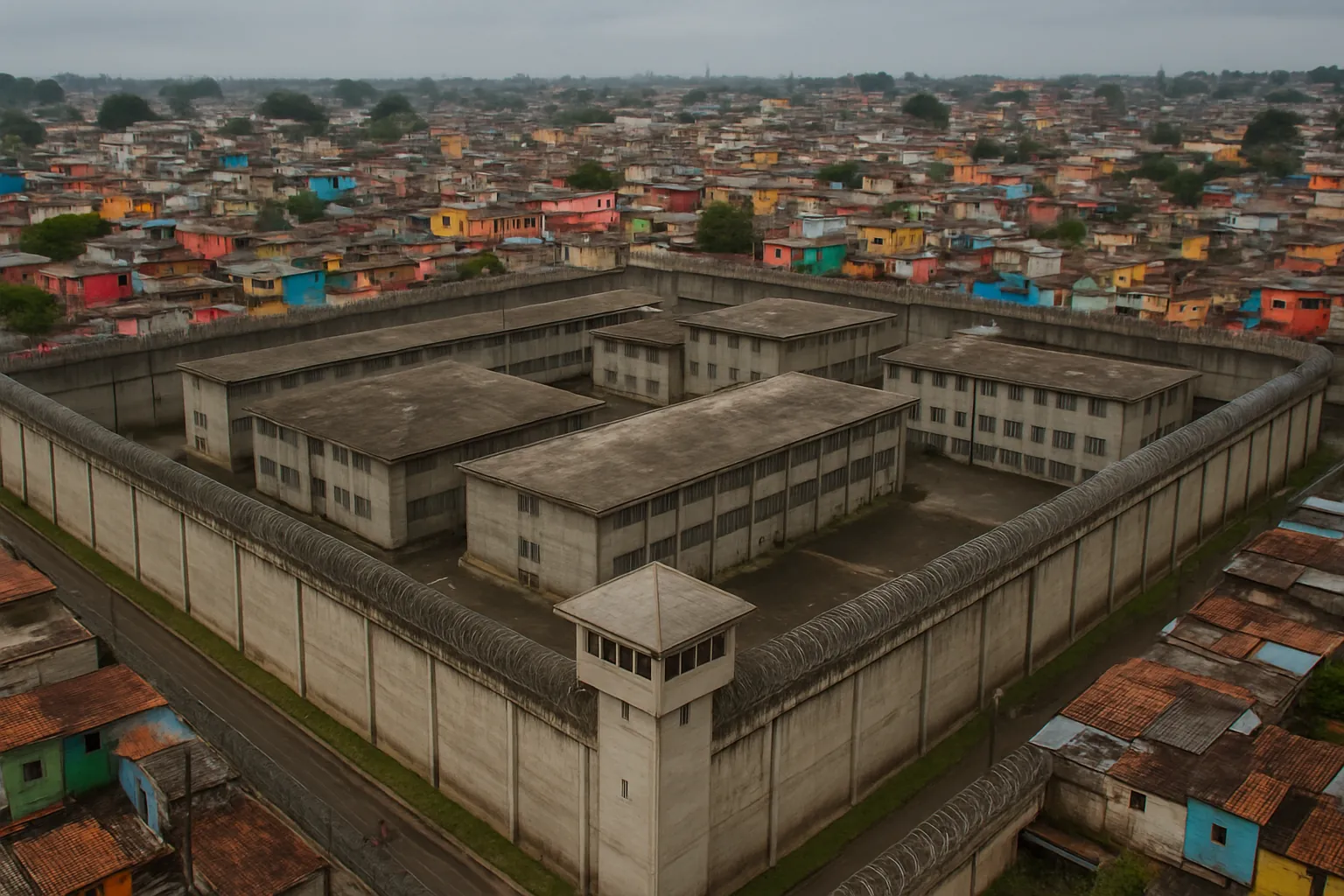
In a world where democracy and human rights are lauded as cornerstones of the American creed, the latest chapter in the United States’ immigration saga lands with chilling resonance. Early this year, over 100 Venezuelan nationals—many allegedly rounded up with scant evidence—were deported from U.S. soil only to vanish behind the heavily fortified walls of El Salvador’s notorious CECOT mega-prison. Their families have lost touch. Their lawyers are left grasping for scraps of information. And the fate of at least 245 more Venezuelans, plus dozens of Salvadorans, hangs suspended in bureaucratic darkness. The United Nations has sounded the alarm, describing the U.S. deportation approach as a “profoundly disturbing” affront to fundamental rights.
For many Americans, the notion that deportees could simply disappear after leaving the country is unthinkable. Yet, recent revelations detail exactly this: an opaque, expedited process often devoid of due process, transparency, or basic human dignity. According to a comprehensive statement from Volker Turk, the United Nations High Commissioner for Human Rights, these deportations are “deeply troubling,” especially given the destination: CECOT, a complex that’s become an emblem of President Nayib Bukele’s draconian crackdown on crime. Reports from inside describe detainees being held incommunicado, subjected to harsh conditions, and stripped of their ability to consult with legal counsel or challenge their detention.
The human cost is staggering. “I haven’t been able to hear my brother’s voice for weeks. We don’t know where he is, only that he was detained in the U.S., then gone,” shared one distraught relative from Caracas, as translated by Human Rights Watch. Such lived experiences reveal the price paid when policy is guided by fear, not fairness.
Alien Enemies Act: An Antiquated Law, a Modern-Day Weapon
Much of the international uproar revolves around the Trump administration’s resurrection of the 1798 Alien Enemies Act—an arcane legal relic that once targeted immigrants during times of nation-state conflict. Now, invoked with a stroke of political bravado, it has become a tool to shunt unlikely“enemies” out of the U.S. and into foreign detention, sidestepping the hard-won legal principles embedded in more recent statutes and the U.S. Constitution itself.
A closer look reveals the dangerous elasticity of this law. Instituted during John Adams’ presidency at the dawn of the republic, the Alien Enemies Act was designed to grant the government power over citizens of hostile nations during declared war. Two centuries later, that act’s revival has been condemned as reckless overreach. Harvard Law professor Gerald Neuman writes, “Using such laws to ship alleged ‘gang members’ to massive prisons abroad—without fair hearings—sets a perilous precedent for human rights in America and beyond.”
Trump-era officials justified mass deportations by labeling certain Venezuelans as members of the Tren de Aragua gang, yet civil rights organizations argue many were swept up with little to no individualized evidence. Their collective transfer to a high-risk foreign detention center, in a country infamous for overcrowded and violent prison conditions, bypasses the most basic guarantees of justice. In March 2025, the U.S. Supreme Court joined several lower courts in hitting the brakes, freezing further deportations under the act due to insufficient due process. But for hundreds already lost in the system, these judicial interventions came too late.
Transparency Lost: Demanding Justice for the Disappeared
UN officials have denounced not only the method of these deportations, but also the deliberate obscurity that surrounds them. No formal lists of deported Venezuelans or Salvadorans have been published by either U.S. or Salvadoran authorities, fueling a climate of fear and uncertainty. Families are left in limbo, clinging to third-hand accounts and threadbare hope. International legal experts, including Amnesty International’s Americas Director Erika Guevara-Rosas, stress, “Forcibly sending individuals to countries where torture or inhumane treatment is a real risk blatantly violates international law.”
“The absence of transparency and due process in these deportations is not just an administrative oversight—it’s a humanitarian crisis in real time.”
— UN High Commissioner for Human Rights Volker Turk
When the system enables arbitrary detention, it isn’t just the migrants who lose. America’s global standing, built on a legacy of championing freedom and rights, is eroded with every case gone unaccounted. Pew Research data from last year showed a marked decline in international confidence in U.S. human rights leadership, with particular dissatisfaction among Latin American democracies. Even within the United States, civil liberties advocates are mobilizing against what the ACLU calls a “systematic dismantling of constitutional protections under the guise of national security.”
What does a just immigration system look like? It insists on transparency—publishing detainee lists, guaranteeing access to legal counsel, and ensuring individuals have genuine opportunities to argue their cases. Instead, these basic standards have been replaced by secrecy and speed, leaving human lives and American ideals as collateral damage.
Beyond that, the lesson should be clear for policymakers, voters, and anyone invested in the future of democracy: Justice delayed or denied overseas eventually comes home to shape what justice means here. As international scrutiny intensifies, progressive voices must keep pressure on U.S. authorities to restore fair process, demand accountability, and affirm—without apology—that human dignity never stops at the border.
