
Pride and Prejudice: A Chilling Message Arrives with June
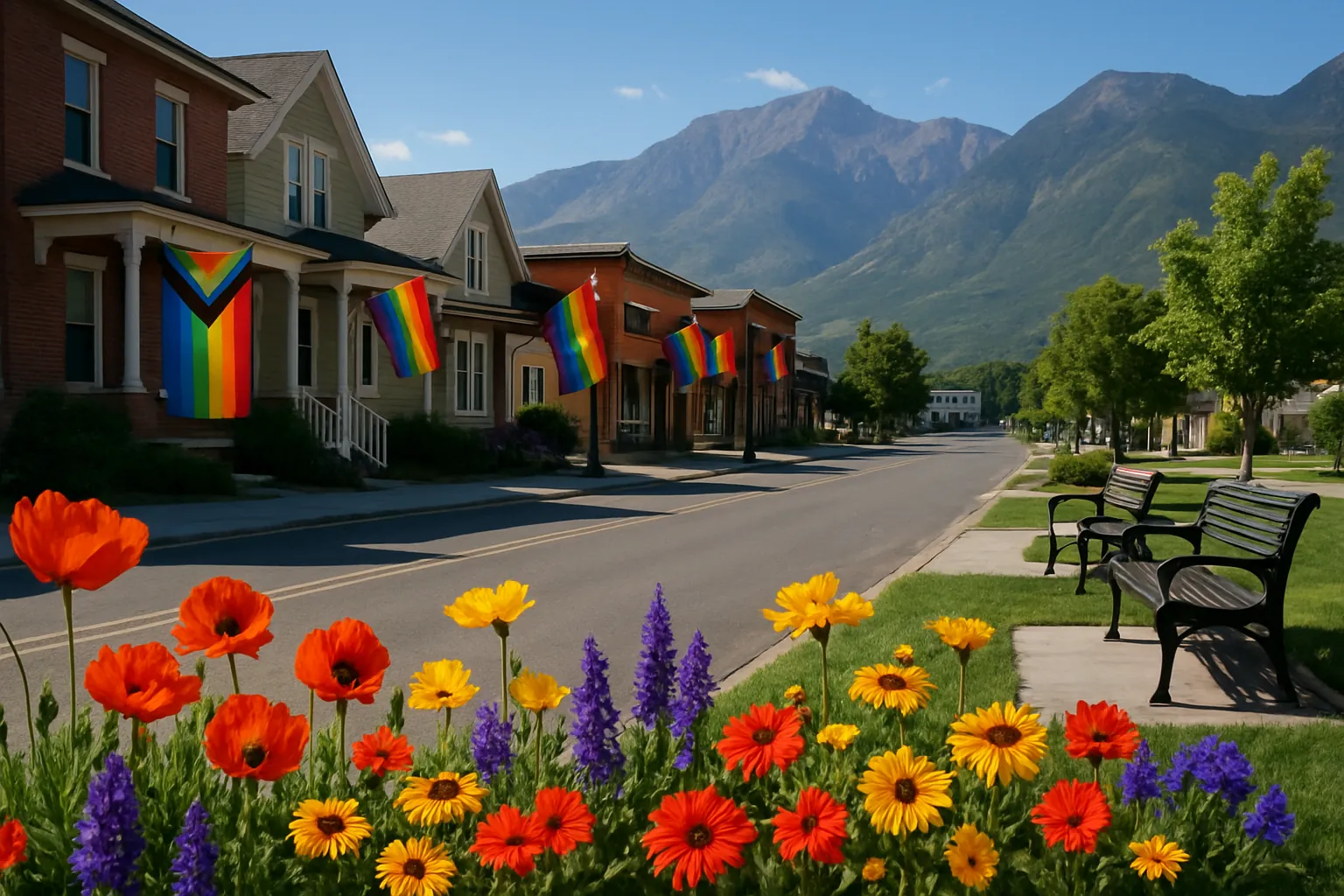
As dawn broke over North Logan and Providence, Utah, on the very first day of Pride Month, families who had hung rainbow flags as emblems of love and inclusion awoke to something sinister. Offensive posters and flyers—emblazoned with incendiary phrases like “White power” and the hollow dictum “man plus woman”—were found outside homes, stapled to utility poles and strewn across yards. Some arrived in clear Ziploc bags weighted down by rocks, a coordinated act of intimidation designed to frighten rather than merely annoy.
Ryan Thorell, one of the first to spot the hate-filled posters facing his home, didn’t mince words: these were not random acts. Along with Dayne Teigeler and other residents, Thorell spent the morning collecting and handing over the materials to North Park police. What’s clear is that the targets were deliberate: households that dared to publicly celebrate Pride or signal support for their LGBTQ+ neighbors. “It makes you feel exposed and unsafe,” said Dayne, voicing a fear familiar to many LGBTQ+ people in conservative communities. The flyers weren’t just homophobic—they contained URLs for a well-known white supremacist group, betraying a wider, more sinister network at play.
Events like this are not isolated. GLAAD reported 208 incidents nationwide last year specifically directed at homes and businesses with Pride flags or LGBTQ+ symbols. But to have such venom unleashed on the doorstep—literally—of small Utah cities, coordinated with the opening of Pride Month, sends a clear message. This wasn’t just about protest; it was meant to instill fear and provoke—especially in young, vulnerable LGBTQ+ people so often at risk of isolation and harm.
Hate Speech, the First Amendment, and a Community’s Response
Residents wasted no time informing local authorities. North Park Police and the Cache County Sheriff’s Office have already begun investigating, gathering evidence and identifying patterns in the distribution. Yet, as North Logan’s Katie Jo Olsen learned after contacting police, the path to legal accountability is riddled with constitutional caveats. Officers admitted that while the displays were meant to elicit outrage and intimidation, actual charges could be difficult—absent a direct threat, hate-filled speech like this often falls under protected free expression.
This legal calculus is difficult for many to accept. Communities grappling with hate feel both compelled and constrained by the boundaries of the First Amendment. The right to free speech is a pillar of American democracy, but the Supreme Court has repeatedly refused to draw broad exceptions even for the most offensive speech, unless it directly incites violence or constitutes a true threat. Harvard Law professor Laurence Tribe notes, “The First Amendment prohibits punishment of most hateful speech, unless it crosses the line into direct, personal threats or incitement to imminent lawless action.” The chilling reality? Hate groups exploit these legal protections, embedding their messages just far enough from explicit incitement to avoid prosecution, while still poisoning public discourse and targeting marginalized neighbors.
Yet the impact on real families isn’t academic. Local leaders like Olsen, herself the mother of an LGBTQ+ child, expressed heartbreak and anxiety: “We want to support our children, but how do we make them feel safe when something like this comes right to our front yard?” For many LGBTQ+ Utahns—especially youth—the message is unambiguous and deeply personal: your presence here is contested, your safety is uncertain.
“This kind of thing does not divide us. It makes us come together to come against this kind of hate speech.”
Resistance, Solidarity, and the Road Forward
Beyond that immediate fear, something remarkable is happening: small communities are refusing to be cowed. North Logan, Providence, and many towns like them have responded to the hate with displays of unity. Rallies, social media campaigns, and front-yard Pride events sprang up in the days that followed, sending a resounding message that while hate may make headlines, it will not define these neighborhoods. As GLAAD’s latest reports show, visibility and solidarity often emerge strongest under threat. Utah’s LGBTQ+ youth—statistically some of the most at risk in the nation according to the Trevor Project—find reassurance in knowing their communities will not quietly tolerate intimidation.
Community organizing, historical precedent suggests, can be a formidable antidote to hate. After white supremacist leaflets were distributed in Missoula, Montana in 2021, residents responded with a public art installation of hundreds of rainbow hearts. When anti-LGBTQ+ protests erupted outside Drag Story Hour events across the U.S., counter-protesters often outnumbered the bigots. These real-life examples demonstrate a truth at the core of progressive values: collective action protects the vulnerable even when the law does not immediately offer recourse.
Still, the problem persists nationwide, as anti-LGBTQ+ rhetoric increasingly intersects with efforts to normalize white supremacy. According to the Southern Poverty Law Center, more hate groups are centering their propaganda around targeting queer people, often as part of coordinated campaigns to roll back civil rights. Policy countermeasures—such as robust hate crime statutes and strong anti-discrimination ordinances—are a key demand of advocates. Yet, especially in states like Utah, legal protection continues to lag behind the lived reality of many residents.
The lesson for any reader: It’s not enough to rely on law enforcement or social media outrage. True safety and belonging emerge from continual vigilance and grassroots resilience. When hateful flyers appear in our neighborhoods, the most effective answer is multicolored: more Pride flags, more open conversations, and more elected officials and neighbors standing shoulder to shoulder—united not just against hate, but for a common dream of equality and dignity.
