
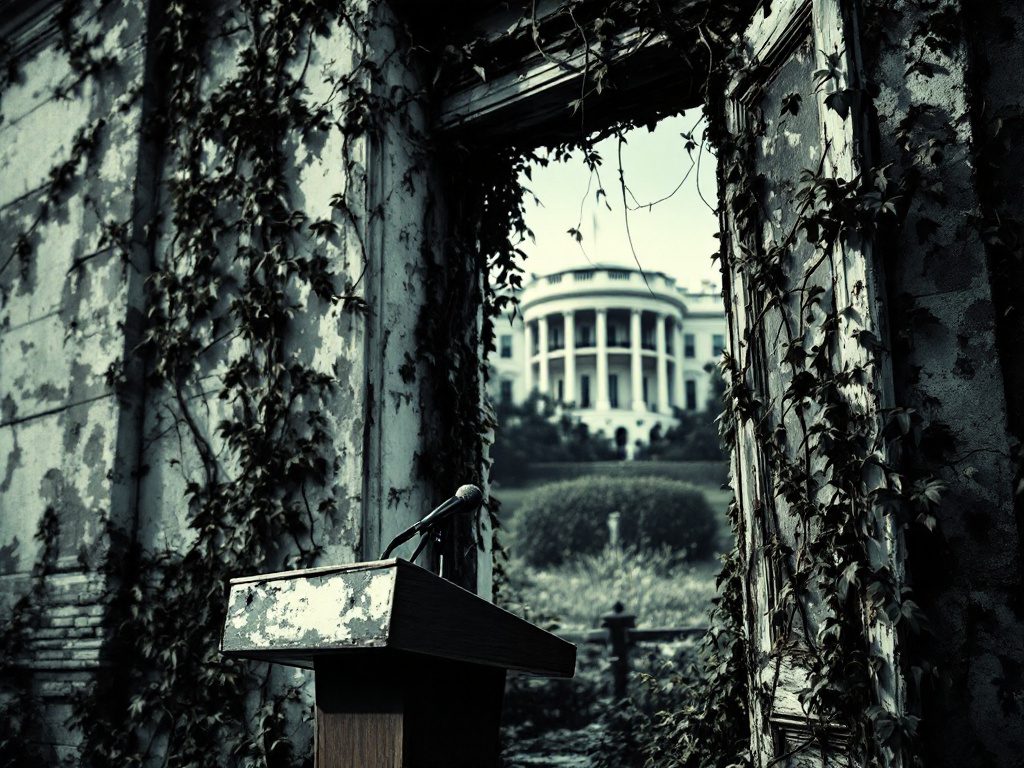
In a startling reflection of ongoing internal turmoil, the Trump administration is reportedly stepping in to handle communication efforts for the Department of Health and Human Services (HHS), shedding light on significant discord within Health Secretary Robert F. Kennedy Jr.’s department. Tensions boil prominently around Stefanie Spear, a Kennedy loyalist and deputy chief of staff, whose controversial decision to halt external communications has resulted in dangerously slow responses from the agency.
A Troubling Start: Breaking Decades of Trust
The situation deteriorated sharply back in January when Stefanie Spear abruptly ceased all external communications. This unprecedented silence eventually led to a significant disruption—the CDC’s revered Morbidity and Mortality Weekly Report failed to reach healthcare providers for the first time in decades. Such incompetence isn’t merely administrative failure; it endangers public health by limiting timely responses to disease outbreaks and emerging medical crises.
Historically, this weekly report has been vital in keeping medical communities informed and ready to address potential crises. Since the 1950s, consistent communication from health agencies like the CDC has been a cornerstone of America’s public health strategy, especially during outbreaks such as measles or influenza. Silencing these conduits of critical health information risks jeopardizing collective well-being and undermines decades of trust built between the public and federal health authorities.
Parallel Press Shops: The White House Steps In
In what critics are calling a glaring sign of dysfunction, the Trump administration has taken extraordinary measures to counteract Spear’s communication blackout by establishing a parallel press shop within HHS. Tasked with picking up the slack, this alternate press team directly addresses media inquiries that Spear’s leadership has consistently failed to manage. Never has the White House been forced into such overt intervention in another department’s communications realm—a scenario that reveals the depth of frustration within the administration.
A glaring example occurred amid a fatal measles outbreak, demanding an immediate HHS response. Despite the urgency, official statements were delayed by two full days, prompting furious reactions from within the White House. One White House official, capturing the administration’s palpable frustration, voiced, “The White House was like, ‘Where the f— is the statement?'”
“Delays like these don’t just reflect administrative incompetency—they put human lives directly at risk.”
The gravity of this oversight was underscored by a simultaneous public relations disaster stemming from the resignation of America’s top vaccination official. Spear’s absence and the resultant communication vacuum left the White House scrambling to perform damage control, coordinating messaging typically reserved for departmental leadership.
A Clash of Cultures Within the Department
The ongoing friction that defines RFK Jr.’s HHS sheds further light on an underlying ideological clash, exacerbated by sharp divisions between Kennedy loyalists and career civil servants. Election of the progressive Kennedy had initially sparked optimism within liberal and leftist circles, promising fresh perspectives on public health policy. However, tensions quickly surfaced between long-serving HHS staff, who typically lean liberal, and Kennedy’s appointed personnel loyalists.
Career employees have long been considered crucial stabilizers within administrative agencies, buffering rapid shifts in leadership and ensuring consistency in critical policies and protocols. Yet, the current environment has become one of contention rather than collaboration, impacting the department’s ability to execute its crucial responsibilities effectively.
Today’s disagreements echo historical examples where sharply divided leadership produced disastrous outcomes, such as in the Reagan era’s delayed public health response to the early AIDS crisis. Failure by government officials to communicate clearly and urgently at such critical junctures can exacerbate public confusion, distrust, and, most tragically, result in preventable deaths.
As the situation evolves, this impasse raises deeper questions around administrative competence, especially in a sector as vital as public health. Can a department mired in internal battles genuinely serve public needs during health emergencies? These recent accountabilities pose a daunting challenge for RFK Jr.’s continued leadership and Stefanie Spear’s influential advising role.
All eyes within the White House and the larger public health community now remain fixed on HHS. This troubled chapter underscores an urgent call toward restoring efficacy, transparency, and trust—core values essential for a robust, responsive public health strategy. The time for internal friction has long passed; too much depends on the reliable functioning of this crucial department.
