
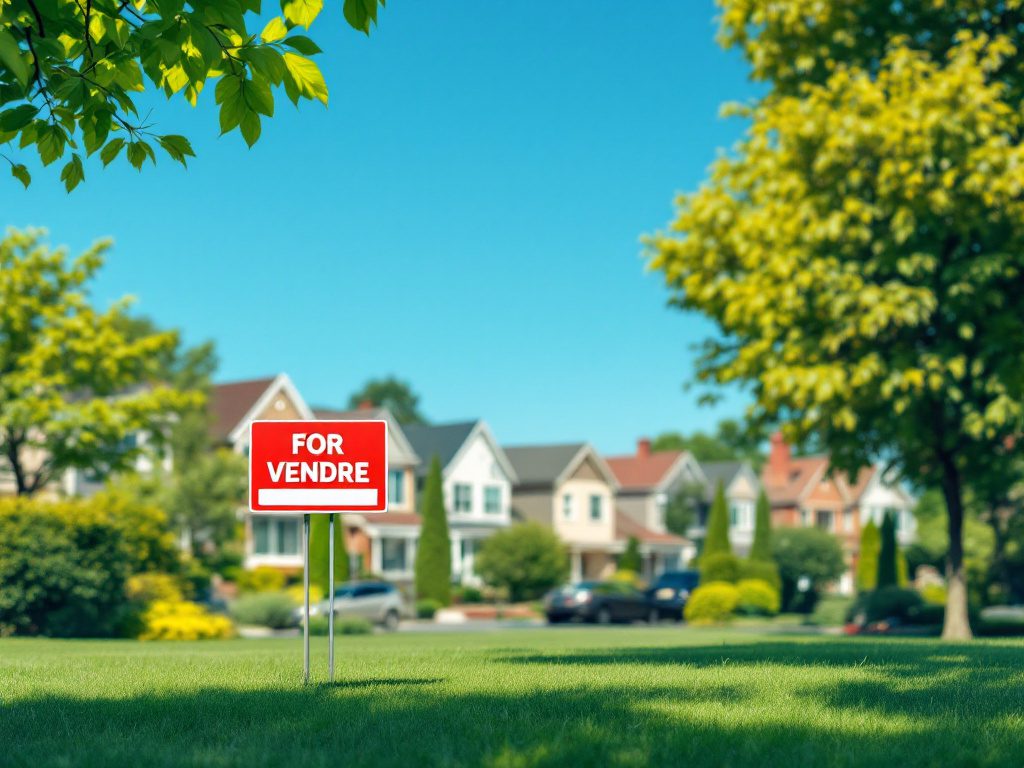
Rising Prices, Stagnant Wages: The Western Housing Squeeze
Step into a sunny neighborhood in California or a suburban block in Utah, and chances are you’ll hear the same refrain: homeownership—the cornerstone of the American Dream—feels more out of reach than ever. WalletHub’s latest analysis finds that states like Hawaii, California, Washington, Oregon, and Utah are leading the nation in housing cost burdens. For many, more than 30% of their median household income is spent just keeping a roof overhead. That’s not including the ballooning costs of energy, groceries, transportation, and healthcare that families are facing across the Mountain and Pacific time zones.
In Hawaii, where natural beauty comes at a steep premium, more than half of median household income can vanish into mortgage and utility payments, making it the most expensive state for homeowners. California follows closely, with residents burning 46% of their earnings on housing alone—a number that dwarfs the 19% experienced by Iowans, according to the WalletHub survey. As the report lays bare, these burdens are driven by more than just sparkling beaches or vibrant city life. They’re the inevitable result of spiraling prices, prohibitively slow development cycles, and policies that, while well-intentioned, often throttle supply and amp up costs for everyday Americans.
Inflation and interest rates have only poured salt on the wound, erasing any gains from modest wage hikes and driving a wedge between those with access to intergenerational wealth and those struggling for a financial foothold. Pew Research notes that home prices, when adjusted for inflation, are up by nearly 40% since 2010 in Western states—a pace far exceeding wage growth and hitting young families, single-income households, and communities of color hardest.
The Hidden Culprits: Regulation, Red Tape, and Runaway Costs
A closer look reveals that the crisis isn’t simply a product of market fate or population influx. California’s infamous complexities are illustrative: municipal impact and development fees for new multifamily units in the Golden State average an eyebrow-raising $29,000 per unit, compared to less than $1,000 in Texas. This regulatory premium doesn’t necessarily buy better schools or infrastructure. Instead, it often stalls desperately needed new construction and raises costs for everyone, including would-be renters who have given up on owning altogether.
Protracted timelines only exacerbate the problem. A standard market-rate project in California can take nearly five years before anyone moves in—almost double the typical timeline in Texas. According to a joint analysis by the UC Berkeley Center for Community Innovation and industry group Wood Partners, this lag is primarily driven by extended predevelopment and environmental reviews. Well-meaning requirements for seismic safety or green building add further delays and expense, making affordable housing harder, not easier, to deliver. As Harvard economist Edward Glaeser puts it, “Good intentions can be drowned out by procedural inertia.”
Beyond that, expensive land and construction labor—often a direct consequence of these policies—mean that affordable housing in California can cost more than four times what similar projects require in Texas. This is not just a California quirk. In Washington, home prices have leapt 54% since the pandemic began, propelled by chronic undersupply and requirements like full-value assessments for property taxes, which further lock families out of the market. Oregon and Utah face similar headwinds, combining limited new builds with rapid in-migration and inflationary pressure.
“Housing is not expensive by accident—it’s a direct product of choices we make at every level of government. Until we build smarter and regulate more sensibly, too many families will remain shut out.”
Even major developers have started to give up. This July, Atlanta-based Wood Partners, once bullish on the West Coast, announced an end to all new projects in the region, citing “challenging market conditions.” The loss of willing builders underscores just how deeply these obstacles run.
Inflation and Inequity: The Human Cost of High Housing Burdens
The narrative extends well beyond mere spreadsheets and zoning maps. Put simply, people are suffering. High mortgage and rent payments devour budgets, leaving little for essentials like healthcare, childcare, and education. The consequences ripple through every aspect of daily life, disproportionately impacting marginalized communities and younger generations striving for stability—and a shot at the future their parents took for granted.
Renters, ironically, fare a touch better in Utah, where just 22.7% of income goes toward rent (44th in the nation), suggesting market quirks or policy choices that other Western states might study. But for most, especially those chasing homeownership, the news is grim. According to the University of Utah’s Kem C. Gardner Policy Institute, while overall cost of living remains below the national average, this is driven by non-housing goods and has done little to buffer the relentless rise in mortgage and utility bills. “Even two-income families are finding that wage increases lag significantly behind inflation,” warns Kim Smith, an analyst at the institute. “It’s a squeeze that is pushing working people toward instability and, in some cases, even out of their home states.”
What’s driving these disparities? Nationally, rent hikes, supply shortages, and soaring costs for materials and energy leave average Americans with little slack in their wallets. Inflation, now a fixture of daily headlines, has pushed the high living wage for a Utah family of four to levels that seem impossible to reach without multiple earners—yet every wage increase is consumed by price hikes. The American Psychological Association reports that housing insecurity is now a top driver of anxiety and stress nationwide, spurring ripple effects on children’s education and future health outcomes.
Concrete solutions do exist. Experts push for streamlining permitting processes, reducing development fees, and adopting innovative building techniques. Progressive leaders like Washington Governor Jay Inslee and California State Senator Scott Wiener have openly championed bills to legalize multifamily housing near transit and cut down bureaucratic hurdles, but policy inertia remains a stubborn enemy. Ultimately, meaningful housing reform requires political will and sustained public advocacy—otherwise, only the lucky few will ever achieve the sense of home that should belong to us all.
