
A Stark Warning in a War of Shadows
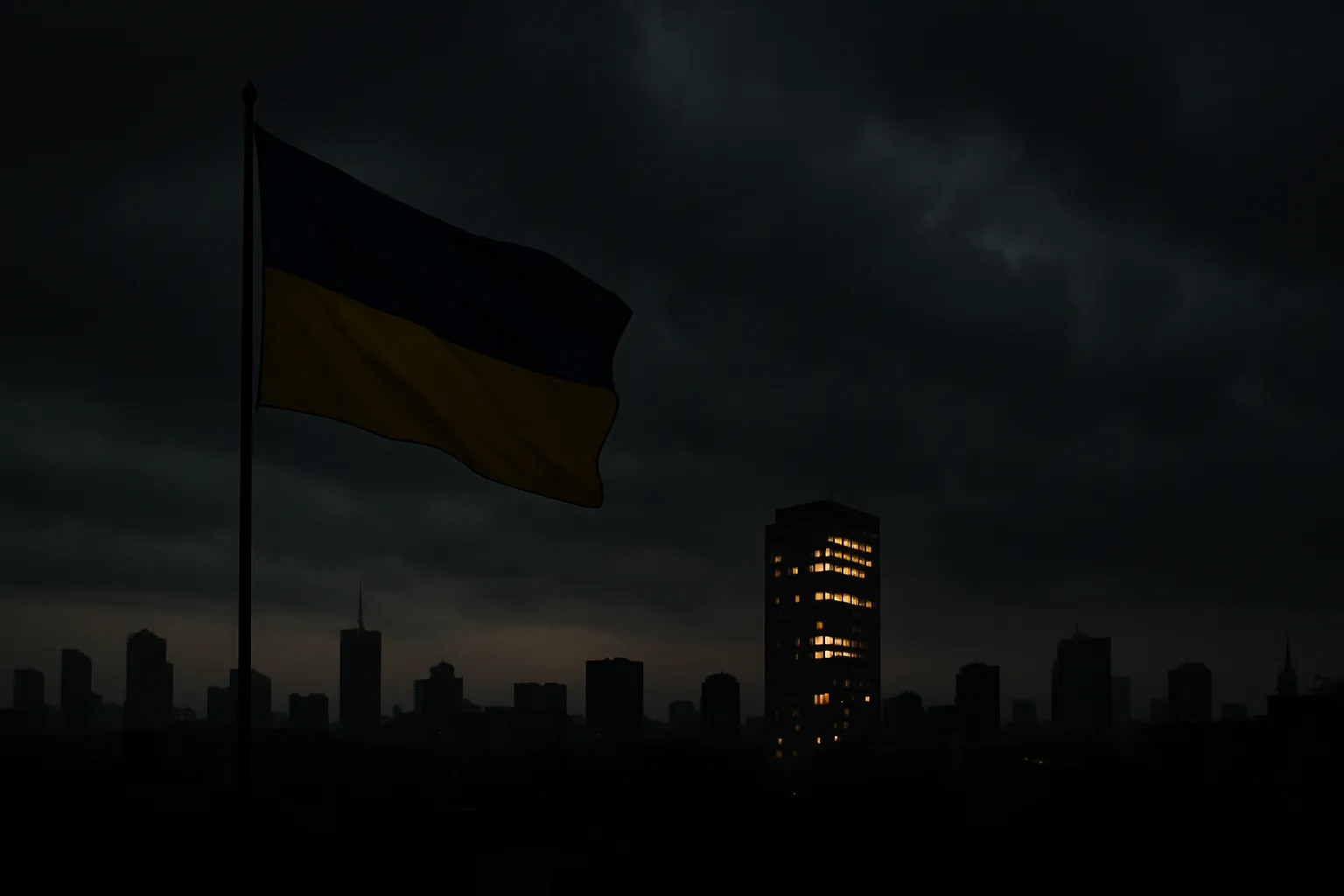
Imagine stepping out into a Kyiv winter, city lights flickering—then plunging into darkness as an air raid siren howls. Millions have faced this reality for three consecutive years, map lines drawn not just in soil but through the very lifeblood of modern society: the power grid itself now sits on the front lines of Russia’s campaign against Ukraine. In a powerful statement echoing through diplomatic circles and cable news alike, President Volodymyr Zelensky declared that if Moscow dares to orchestrate more blackouts in Kyiv, Ukraine will respond in kind—by sending Moscow itself into the shadows.
This is more than rhetoric in a conflict increasingly defined by asymmetric blows. As Russia’s winter attacks on critical infrastructure continue, Zelensky’s words strike at the core of what it means to defend not just territory, but the dignity—and resilience—of a people. “Civilized countries do not strike first,” Zelensky affirmed, “But that doesn’t mean we are weak.”
How did we reach this grim juncture? Since Russia’s full-scale invasion in 2022, its military playbook has prioritized devastating Ukraine’s energy system—hoping that darkness and cold will achieve what bombardment could not. As the world watched the Kremlin engineer blackouts across Ukraine last winter, Kyiv’s defenders scrambled to shoot down drones and missiles. Yet, beyond the destruction, a new dynamic has emerged—a battle of wills linked by electric wires, where a loss of power asks: whose spirit breaks first?
Ukraine’s Power Stand: Allies, Air Defenses, and Escalation Risks
Zelensky’s recent remarks come not in a vacuum, but amid growing international scrutiny over Russia’s evolving tactics. According to Naftogaz CEO Serhii Koretskyi, Russia is poised to unleash a renewed assault on Ukraine’s energy heart before and during the coldest months, a calculated effort to cripple morale and leverage geopolitical outcomes. The Ukrainian leadership recognizes the stakes; this winter’s energy war could tip humanitarian crises into outright catastrophe.
Ukraine’s response has been nothing short of formidable. Out of 92 attack drones recently sent toward Poland—an unnerving echo of regional escalation—Ukrainian forces intercepted all but 19, demonstrating remarkable progress in air defense, even as supplies and Western support strain under the relentless pressure of attrition warfare. This is not just about intercepting drones. It’s about shielding hospitals and schools, ensuring heat for families, and sustaining the very legitimacy of Ukraine’s government in the face of Russia’s strategy of exhaustion.
Harvard crisis analyst Olga Tokariuk noted on NPR that Russia’s approach is both physical and psychological: “Energy blackouts are intended to sap Ukrainian society’s spirit and undermine global support, as images of suffering ripple across international media.” The Kremlin is not just wielding bombs; it’s weaponizing perception, hoping that weariness in the West will force Kyiv to capitulate or accept a frozen conflict on Putin’s terms.
However, a closer look reveals that Ukraine is not solely on the defensive. There’s a renewed willingness to reciprocate, as Zelensky made clear: if Moscow persists, Ukraine will target Russian infrastructure in kind. This marks a shift in strategic tone, signaling to both allies and adversaries that Ukraine will not remain perpetually vulnerable. “If Russia wants a blackout in Kyiv, it will get a blackout in Moscow,” Zelensky warned, encapsulating the logic of deterrence often cited during the Cold War—but now in the form of cyber tools and precision drones instead of nuclear arsenals.
The Perils and Possibilities of Reciprocal Response
Is retaliation the answer? For many in the progressive community—and among Ukraine’s partners—the question isn’t simple. Democratic values emphasize restraint, even in the face of provocation, and the risk of escalation remains ever-present. Yet, as political scientist Timothy Snyder argued in The New York Review of Books, “If aggression is rewarded, impunity becomes policy. The lesson of the 20th century is that unchecked bullies rarely stop on their own.”
“Civilized countries may not start wars, but the only thing weaker than refusing to respond is watching democracy be extinguished by force.”
A reckoning is brewing both in Kyiv’s ministries and Western capitals. Should Ukraine’s allies—especially the United States—support more robust countermeasures, or urge caution out of fear that tit-for-tat strikes could spiral? In candid talks with Donald Trump, Zelensky conveyed battlefield realities and the logic underpinning Ukraine’s stance, successfully shaping the former president’s understanding. It’s a rare moment of clarity in a U.S. political environment too often clouded by partisan noise.
Meanwhile, Russia prepares its own narrative. The Center for Countering Disinformation, a Ukrainian think tank,’s analysts warn that Vladimir Putin is laying the groundwork for justifying expanded attacks—not only to his domestic audience but on global stages awash in misinformation. This informational alibi, as they put it, reflects a broader pattern: launch provocations and then blame the reaction. Echoes of this tactic can be heard from Russian state media to fringe voices in the U.S. Congress.
How should liberal democracies respond when rule-breakers try to set the rules? History teaches us the perils of appeasement, from 1930s Europe to the early days of the Syrian civil war. Doing nothing emboldens those who confuse brutality with strength. Yet, safeguarding civilian lives and preventing escalation must remain a top priority. Ukraine’s experience is a case study in the tightrope modern democracies walk—asserting self-defense, upholding their values, and refusing to let autocracies dictate the global order.
