
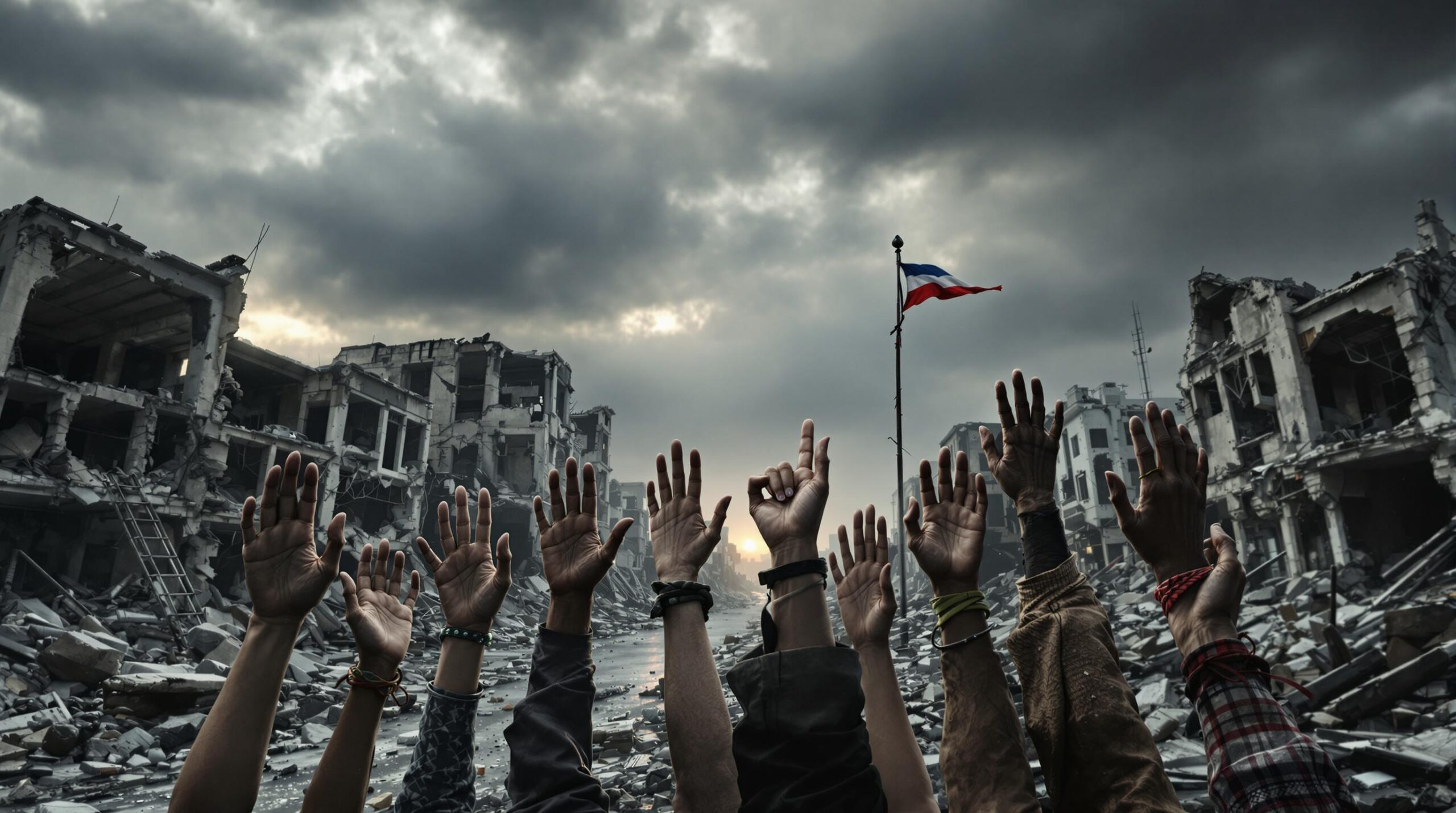
In the early days of January 2025, the world breathed a cautious sigh of relief as Israel and Hamas reached a ceasefire agreement aimed at ending hostilities that had shaken Gaza for nearly two tumultuous years. This fragile peace promised the exchange of hostages and the withdrawal of Israeli forces from Gaza—terms that, at their core, hinted at a possible pathway towards sustained reconciliation and stability. Yet barely weeks into the ceasefire, Israel’s perceived breaches of the agreement have sharply escalated tensions, creating one of the deadliest periods for Palestinians since the conflict ignited in October 2023.
The Human Cost of a Broken Ceasefire
Reports indicate that despite the formal agreement struck on January 17, Israel has allegedly violated this ceasefire over 1,000 times. Each breach accompanies a heartbreaking toll, tragically measured in lives lost and families shattered. This escalation has sparked renewed anger and despair among Gaza residents, exacerbating their suffering and prompting a powerful wave of grassroots protests.
Significantly, these Gaza demonstrations stressing the need for peace and denouncing perpetual cycles of violence are organic and locally-driven. An Israeli security official clarified they are not orchestrated by Hamas or the Palestinian Authority but rather by families exhausted and traumatized by continuous loss. Far from being sponsored by Hamas, these protests reflect a genuine cry from ordinary citizens trapped within a battle they did not choose—people who simply yearn for a peaceful coexistence and the right to lead stable lives.
Yet, instead of recognizing the desperation behind these genuine demonstrations, Israeli Defense Minister Israel Katz insists the only route to lasting peace is through the forceful removal of Hamas and the return of Israeli hostages held in Gaza. Katz has controversially advocated seizing additional territory each day hostages are not released, raising alarm bells among international observers concerned about potential infringements of international law.
“Violations of ceasefire agreements, particularly those involving direct attacks upon civilians, constitute serious breaches of international humanitarian law.”—International Criminal Court (ICC)
Countering Misinformation Amid Global Tensions
As battles rage on the ground, another intricate conflict unfolds in the global media landscape. Here, misinformation and competing narratives run rampant. Eylon Levy, an outspoken Israeli figure, has emerged at the epicenter of this media maelstrom. Levy, the founder of the Israeli Citizen Spokespersons’ Office, stresses that his fight is just as crucial as those waged by soldiers in uniform. Levy insists, “We must ensure that the voice of Israel withstands the cacophonous flux favoring Palestine.” His efforts to counter narratives sympathetic towards Hamas have turned him into an iconic yet divisive figure.
Levy’s endeavors underscore a greater global issue—the role of information and misinformation in modern warfare. In today’s interconnected world, physical conflicts are paralleled by intense digital battles aiming to shape public perceptions. The aftermath of misinformation is tangible, bitter, and often enduring. For residents of Gaza and Israel, representational battles in media hold palpable consequences, perpetuating polarization, and obscuring paths toward dialogue and peace.
International Responsibility and Moral Imperatives
At this crucial juncture, the international community must reflect deeply on its responsibilities. Israel’s intensifying military actions, despite formal ceasefires, raise legitimate concerns of potential war crimes under international humanitarian law. The ICC’s stark warnings bear careful consideration and must galvanize an urgent, humanitarian-driven diplomatic movement.
More than rhetoric, decisive international action is needed to uphold human rights and address profound humanitarian crises colorfully illustrated by the painful reality on the streets of Gaza. The death toll—tens of thousands of Palestinian civilians by conservative estimates—underlines a brutal truth unfurling beneath diplomatic exchanges: the world cannot remain passive or indifferent while innocent lives hang perilously on the cusp of sustained violence and upheaval.
Our compassionate commitment to universal human dignity necessitates a reexamination of existing policies that have allowed prolonged conflict and suffering without resolution. It invites us to, once again, redefine our collective approach to Middle Eastern peace—not as an abstract aspiration but as a concrete, achievable reality.
In the restless reality where lives are lost to tangible bullets on one side and invisible missives of misinformation on the other, we must resoundingly affirm that true victory transcends territorial gains or narrative dominance. Indeed, any long-term resolution must, at its very core, prioritize the sanctity of human life and basic human rights for all individuals affected by this ongoing conflict. Until this profound truth translates into actionable policy and mutual acknowledgment from both sides, peace remains fragile and elusive—a mere hopeful whisper amid the deafening echoes of ongoing violence.
