
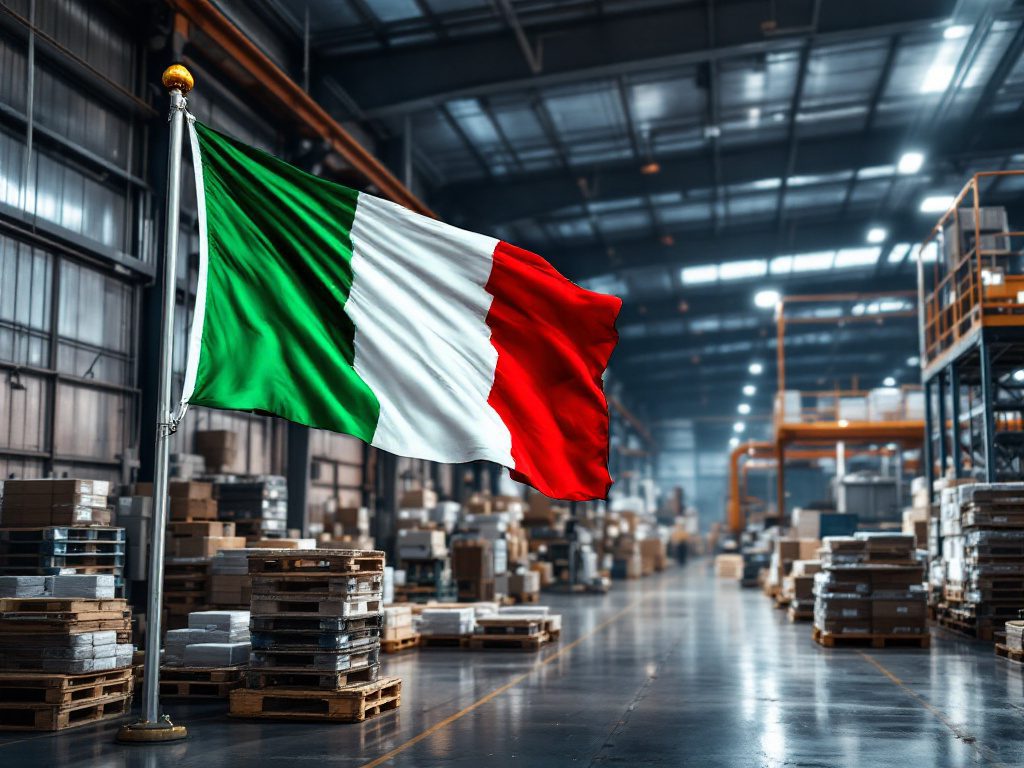
As tensions rise in the international trade landscape, Italian industries find themselves at the forefront of potential economic turbulence provoked by President Donald Trump’s new round of tariffs. Major sectors such as pharmaceuticals, fashion, food, and machinery are anxiously bracing for disruptions, anticipating the ripple effects of escalated trade hostility between global powers.
The Direct Consequences for Italian Exports
Emanuele Orsini, leading Italy’s national industry lobby Confindustria, sounded urgent alarms, saying the impact of the proposed U.S. tariffs could be dramatic and far-reaching. Sectors critical to Italy’s export-driven economy, particularly pharmaceuticals, fashion, and food industries, are positioned to suffer substantially. These industries represent not just the economic pulse of Italy but cultural symbols deeply embedded in the national identity. The potential harm, therefore, transcends mere economic loss, threatening employment, tradition, and pride.
Orsini’s intervention highlights tangible concerns raised by business leaders across Italy. Tariffs imposed by the U.S. administration are likely to increase operational costs considerably, potentially pricing staple Italian exports out of competitiveness in the American market. For many small and medium-sized enterprises—critical engines for Italian employment—the prospect of adapting to increased tariffs could prove insurmountable, casting longer-term shadows over Italy’s economic stability.
Strategic Impact and the China Factor
Importantly, the implications of U.S. tariffs stretch far beyond Italy’s bilateral trade with the U.S. Orsini has raised valid points regarding the strategic consequences—a fractious trade environment between the EU and U.S. might inadvertently serve Chinese interests. As tensions escalate, businesses seeking stability could increasingly pivot East, relocating production facilities and diverting trade flows away from Western economies. This shift could reshape the global economic power balance fundamentally, placing EU economies, including Italy, at a strategic disadvantage.
Addressing this risk, Orsini appealed to European leaders to exhibit diplomatic maturity, urging them to prioritize negotiations and dialogue. His encouragement underscores the importance of cohesive European unity, advocating not only to avert immediate economic damages but to safeguard Europe’s long-term geopolitical interests.
“Europe’s fragmented response risks handing an unintended advantage to China, fundamentally shifting global economic dynamics to our disadvantage,” cautioned Orsini.
Italy’s Leadership Calls for Calm
Italy’s Prime Minister Giorgia Meloni entered the fray emphasizing that U.S. tariffs would produce severe repercussions, hitting Italian producers particularly hard. Despite her earlier friendship with Trump, Meloni strategically distanced herself by underscoring the necessity of “adequate responses”—highlighting pragmatism and advocating for careful, measured countermeasures to minimize fallout.
Her prudent rhetoric aligns closely with Italy’s EU Affairs Minister, Tommaso Foti, who warned explicitly against a knee-jerk reaction. Foti emphasized dialogue-driven approaches rather than escalating retaliatory tactics that could deepen economic wounds on both sides. Such wisdom highlights Italy’s measured approach—a careful balancing act amid increasingly strained global relations.
Proactive Measures to Shield Italy’s Future
Recognizing the potentially lasting damages of Trump’s protectionist strategies, industry leaders and policymakers alike are proposing solutions to cushion the blow and minimize longer-term economic disruptions. A key proponent of proactive measures, Orsini recommended interest rate cuts by the European Central Bank. Such monetary adjustments could theoretically stimulate the European economy, helping industries weather near-term adversities.
Additionally, Orsini advocated actively pursuing trade deals with diverse nations, including Mexico, India, Japan, and Thailand. Such agreements would diversify Europe’s economic partnerships, redistribute global trade dependencies, and potentially mitigate negative impacts triggered by disagreements with the U.S.
Promises to push strategic trade negotiations and interest rate adjustments signal Italy’s willingness to adopt innovative, bold measures—a reassuring stance for worried Italian producers and workers. The forthright advocacy for such proposals affirms Confindustria’s proactive leadership in safeguarding Italy’s economic stability and restoring confidence among its industrial entrepreneurs.
A Turning Point in International Trade?
The unfolding dispute vividly illustrates the volatile nature of international trade under populist conservative leadership. Trump’s intent to implement sweeping reciprocal tariffs dismantles long-standing commitments to predictable, rule-based international trade—an approach historically proven to grow collective prosperity. Today, this approach risks widespread economic damage, destabilizing key European economies and potentially reshaping global trade flows.
Yet, amid the storm clouds gathering, Italy’s measured political responses and proactive recommendations reveal a promising blueprint. This crisis exemplifies the need to protect not merely national interests but international cooperative frameworks that have historically underscored decades of growth, prosperity, and peace. Italy’s cautious yet assertive tone embodies a broader European sentiment—a commitment to diplomacy, dialogue, and collaboration in the face of burgeoning nationalist tendencies.
As businesses and governments navigate uncertain waters, Italy’s principled stand offers optimism, coupling prudent economic strategies with political foresight and unity. In confronting the threat of U.S. tariffs, Italian leaders advocate strength through solidarity—a timeless approach to overcoming collective adversity and securing long-term economic and geopolitical stability.
