
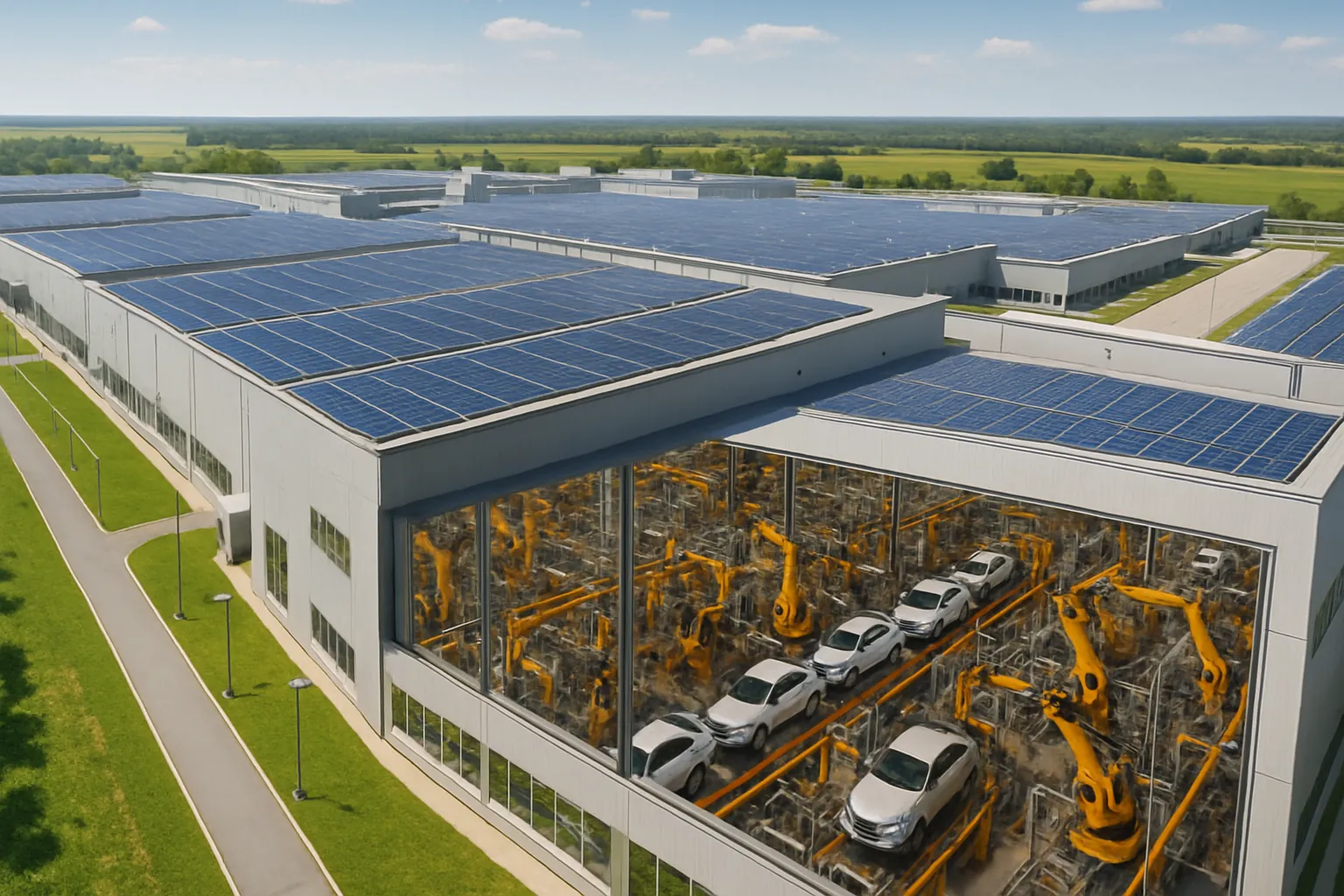
A Bold Gamble: Stellantis Shifts Gears Back to America
Not long ago, Stellantis—one of the world’s megacorporations formed from the merger of Fiat Chrysler and France’s PSA—looked destined to be a European-first automaker. But with its recent announcement of a planned $10 billion investment targeting U.S. manufacturing, the company is signaling an astonishing about-face. It’s a bet on American jobs, American brands, and a reassertion of the nation’s historic centrality in global auto innovation.
What changed? Under CEO Antonio Filosa, Stellantis is focusing its energy where its legacy was built: Detroit muscle, Midwestern grit, and heartland consumer tastes. The plan reportedly includes reopening shuttered or idled plants, especially in Michigan and Illinois. According to Bloomberg News and multiple sources close to the company, there’s serious intent to bring Dodge and Jeep back into the limelight—potentially with an all-new Dodge V8 muscle car and crucial new pickup models. If realized, this could mean thousands of new and restored jobs for American workers.
History echoes here. Just over a decade ago, Chrysler—one of Stellantis’s principal nameplates—relied on federal rescue to survive. Its return to profitability was a symbol of America’s capacity for industrial renewal amid the 2008 Great Recession. Today’s high-profile reinvestment recalls that turnaround, but with a modern twist: the stakes now involve whether old-line automakers can stay relevant as technology, trade, and climate shape new industry norms.
Tariff Tensions and Political Winds: Navigating a Shifting Landscape
Stellantis’s move isn’t just about business strategy. The U.S. auto market is currently mired in trade policy uncertainty, thanks to on-again, off-again tariff threats—especially those swirling around a possible second Trump administration. In 2024, Stellantis warned investors that American tariffs could hit their bottom line by nearly $1.8 billion in just one year. Those kinds of numbers stagger the mind, and no CEO can ignore them for long.
What’s driving these policy swings? With the Biden administration trying to hold China accountable on trade and climate promises, and Republicans beating the drum for tariff “relief” as a tool of industrial policy, the American auto sector feels trapped in the crossfire. Former President Donald Trump, hoping for a political comeback, has floated the idea of massive tariff relief for companies that increase U.S. production—a carrot as well as a stick. Progressive critics—myself included—see these Republican overtures as classic short-termism, rewarding corporations for token gestures without holding them accountable for long-term labor standards, climate impact, or community investment.
Stellantis’s timing here is savvy, if a bit opportunistic. Beyond that, Filosa’s team is closely watching Washington for signals. According to University of Michigan economist Kristin Dziczek, “The auto industry’s calculus on investment now often boils down to reading the tea leaves in D.C. as much as reading spreadsheets.” The looming political volatility only heightens the need for companies to anchor operations where their futures seem most protected—at least for now.
“Big investments like Stellantis’s $10 billion pledge force policymakers to answer: Are we building industrial strength for the long haul, or engaging in headline-chasing handouts?”
Reviving the Middle Class, or Repeating Old Mistakes?
Amid all the political intrigue and corporate maneuvering, the consequences of this investment will play out on Main Streets across Illinois and Michigan. The Belvidere, Illinois plant—idled and left in limbo during the shift to globalized, low-wage production under Carlos Tavares, Stellantis’s previous CEO—now sits at the center of speculation. If Stellantis brings it roaring back to life, it could refill union jobs and boost the local economy, reversing the gutting that happened when “efficiency” trumped community.
Still, not all that glitters is gold. Historically, grand announcements of job creation and plant upgrades have sometimes delivered less than promised, leaving laid-off workers with lingering resentment and few options. Harvard labor historian Nelson Lichtenstein observes that while “fanfare around new auto investments plays well with voters and may even prompt short-term hiring, the real legacy often depends on labor contracts, automation, and ongoing commitment to domestic manufacturing.”
Liberal voices warn that Democrats must guard against letting corporate promises substitute for social responsibility. If progressive priorities like union protection, green technology investment, and equitable hiring aren’t at the core, the result could be more of the same: a see-saw cycle of boom, bust, and bailout.
- Revitalizing communities takes more than shiny press releases—real accountability is key.
- Federal and state incentives must be tied to local job retention, not just plant construction.
- A truly progressive policy response means making sure new jobs are union jobs, and that investment drives both economic and climate justice.
Where, then, does Stellantis’s move leave the American auto worker? At best, this $10 billion gamble represents a rare chance to reinvest in the industrial heartland, paying tribute to the workers and towns who have carried this industry for decades. At worst, it could become another chapter in a long story of promised rebirths that rarely outlast the next economic downturn.
Looking Forward: Stakes for Workers, Communities, and the Industry
A closer look reveals that the case of Stellantis isn’t just about one company; it’s about the future of American manufacturing identity. After years spent chasing “cost efficiencies” abroad—a polite euphemism for slashed wages and community abandonment—there’s now an opportunity to right old wrongs. But that won’t happen by accident.
Detroit, Belvidere, and other heartland cities want more than temporary hope. They want real pathways to stable jobs, strong unions, and a future where the U.S. doesn’t just assemble cars—it builds sustainable livelihoods. If Democrats rise to this challenge—insisting on tough, enforceable standards as the price of public-private partnership—then Stellantis’s big bet could mark the dawn of a new, more inclusive American auto era.
Failing that, we risk repeating history, cycling through grand promises, shuttered factories, and taxpayer-funded do-overs. American workers deserve better. This time, they should demand it—and so should we all.
