
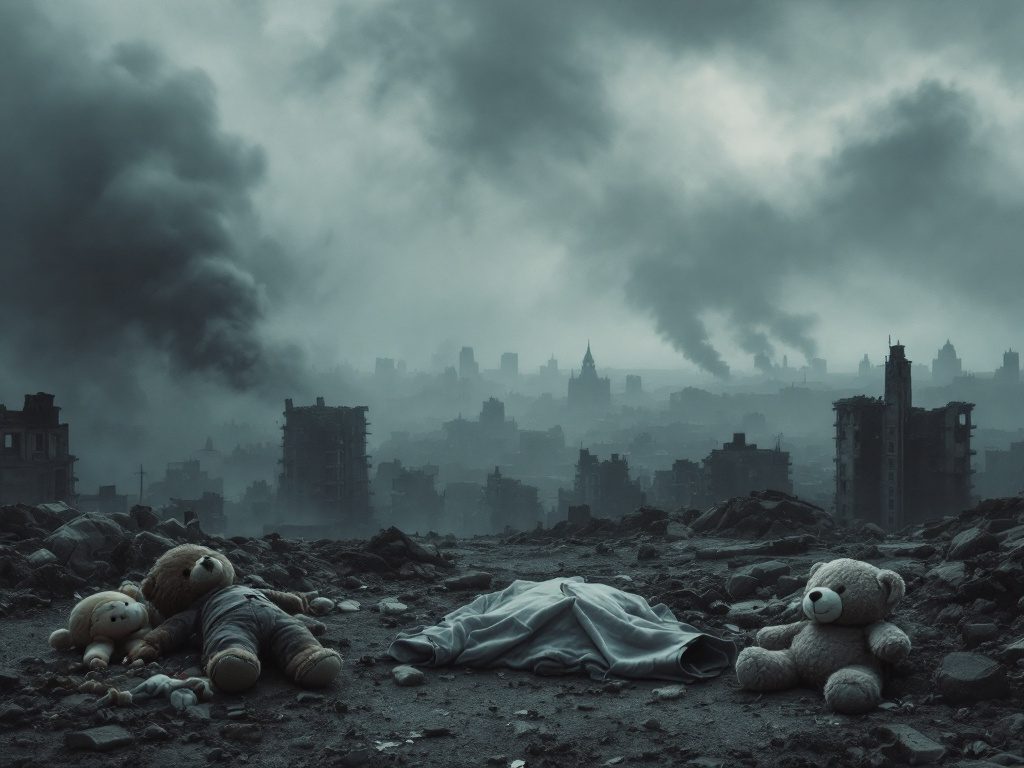
A Humanitarian Catastrophe Deepens
In yet another devastating wave of violence, Israeli airstrikes have shaken the Gaza Strip to its core, with more than 30 civilian casualties reported in recent assaults. Particularly harrowing is an attack that struck a clinic run by the United Nations Relief and Works Agency (UNRWA) in Jabalia, a refugee camp in northern Gaza, leaving at least 19 dead, including nine innocent children. Gaza’s civil defense agency has reported figures that are still uncertain and variable, illustrating the chaotic, painful reality on the ground.
A video circulated by Quds News Network disturbingly captures the horrors civilians have faced—among them, the heartbreaking image of a decapitated infant—a chilling reminder of the brutal impacts of these airstrikes. Scenes like these are becoming painfully common, fueling international condemnation and calls for accountability.
The Aftermath of the Jabalia Strike
The Jabalia refugee camp strike not only devastated the UNRWA clinic but ignited a fire that brought further chaos and trauma. Internally displaced Palestinians were seeking refuge close to the hospital, a tragic irony highlighting their continual cycle of displacement and suffering. The strike disrupted medical services already strained to near-collapse, leaving hundreds without essential care amidst a mounting casualties crisis.
Such targeting has profound implications. Palestinian civil defense spokesman Mahmoud Bassal noted that casualty figures continue to shift as rescue teams desperately scramble through rubble, trying to save anyone they can. The Iranian Ministry of Health has rightly decried this profound tragedy as a “war crime,” joining a chorus of growing international condemnation.
“Targeting healthcare facilities and exposing children to deadly violence clearly crosses a moral red line,” said one human rights advocate, speaking anonymously due to safety concerns.
Yet, even amidst criticism, the Israeli military response remains to be clarified. Military officials acknowledged the strike and claimed they were “investigating.” But as families grieve and bury their loved ones, Palestinians in Gaza grow weary of investigations that too rarely lead toward justice or meaningful change.
Broader Attacks and Wider Impacts
The appalling attack on Jabalia is unfortunately not isolated. In Khan Younis, another region of Gaza devastated by violence, airstrikes killed at least 15 additional people, including more children. These cumulative deaths remind the global community that the Jabalia incident may stand out due to its specific humanitarian character, yet violence is widespread throughout Gaza, wreaking havoc and despair across the besieged territories.
The horrors witnessed in Jabalia are a grim echo of previous Israeli military campaigns on Gaza, notably the outbreaks of violence in 2014 and 2021, which saw similarly distressing civilian tolls. Often preached by Israeli military statements as defensive measures or targeting militant groups specifically, these narratives ring hollow against stark realities laid bare by images of mostly civilians from children to elderly battered, bruised, and buried.
At least 47 Palestinians across Gaza have been killed just since Israel broke the most recent ceasefire two weeks ago, with cumulative losses reaching over 1,100 lives. Adding to the misery, forced evacuation orders issued by Israeli military for regions near Rafah and Khan Younis have displaced even more Gazans, exacerbating a humanitarian nightmare with scarce resources, limited healthcare, water shortages, and collapsing infrastructure.
Calls for International Action Intensify
International organizations, including Amnesty International and Human Rights Watch, call urgently for accountability, warning that the world cannot maintain complicity by remaining silent. As he delivered an emotional appeal, António Guterres, the Secretary-General of the United Nations, urgently called for an immediate cessation of hostilities, urging all parties to respect civilian lives and adhere to international humanitarian law.
There lies a bitter irony for Palestinians: constantly scrutinized by global powers yet perpetually caught within cycles of violence, displacement, and international paralysis. Yet, hope prevails that global outrage might at last pressure government stakeholders towards meaningful diplomatic intervention, holding perpetrators accountable and preventing further loss.
In the eyes of Gaza’s suffering civilians, each fresh strike deepens mistrust, each delay in accountability widens wounds, and each child lost is a permanent scar on collective human conscience. Amid this darkness, activism provides potential light, reminding us of the power we bear in voicing against harm, imagining, and insisting upon justice for every single life lost unjustly.
The dire situation matched with spiraling humanitarian needs demands immediate, substantive international diplomatic attention, not mere platitudes or fleeting expressions of concern. Let the tragedy seen at Jabalia and other parts of Gaza renew our resolve and revive robust advocacy to find lasting peaceful solutions for a region too long defined by loss, violence, and grief.
