
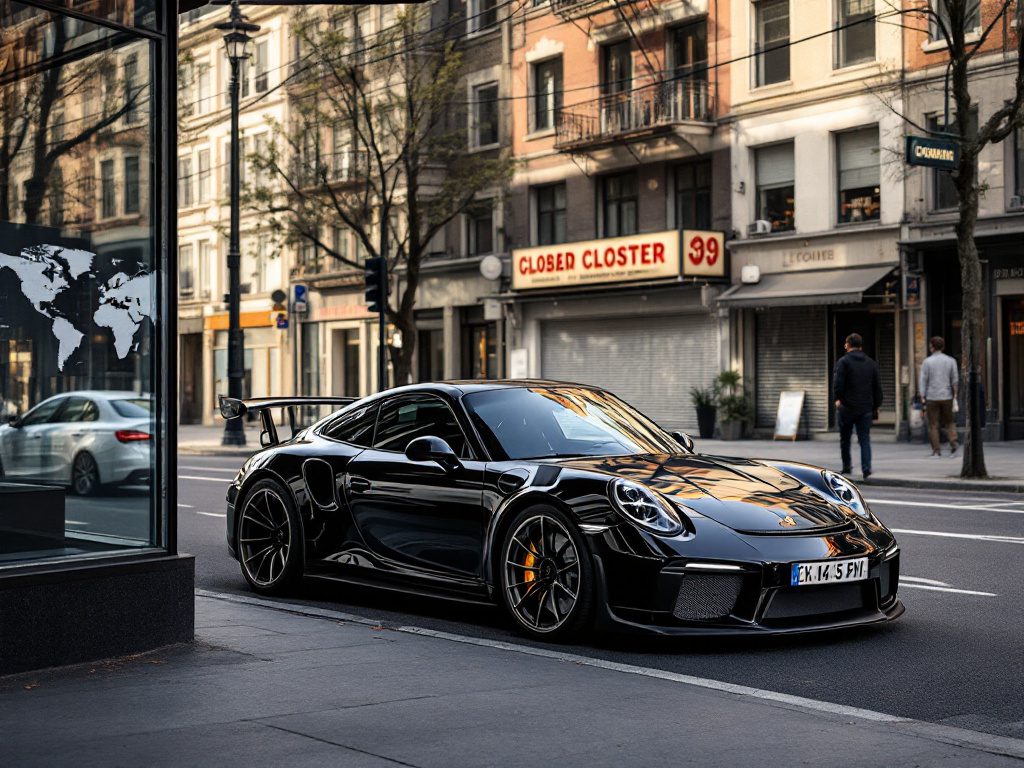
The sleek thrill of owning a luxury Porsche sports car took a slight downturn this past with Porsche AG reporting an unexpected 8% dip in global car deliveries for the first quarter. At 71,470 deliveries, the German sports car giant finds itself grappling with complex international hurdles, notably struggling markets in both China and Europe, while the U.S. market provided surprising resilience.
China’s Economic Headwinds Strike Hard
China, the world’s largest market for automobiles, has long been a critical profit powerhouse for Porsche. The brand’s prestigious image aligns with the country’s booming upper-middle-class consumers attracted to luxury brands. Yet, recent economic tensions and uncertainties have significantly muted consumer spending, and Porsche is feeling the brunt – a staggering 42% drop in deliveries resulting in just 9,471 vehicles sold this past quarter.
This severe reduction can be attributed partly to China’s broader economic slowdown, fueled by internal shifts like market regulations and stringent new policies on luxury goods importation. But how lasting will this stymied Chinese demand be? Porsche executives must wonder whether the current downturn pivots on temporary economic jitters or signals more fundamental changes in Chinese consumer preferences or attitudes toward conspicuous consumption. Understanding the economic pressures behind China’s stark sales decline is imperative for Porsche and other international luxury auto brands keenly watching this geopolitical forecast unfold.
Europe Faces Regulatory and Economic Challenges
Europe presents a separate, equally troubling scenario. Porsche’s home territory didn’t fare much better, seeing a 10% slide in deliveries throughout the region, with Germany alone witnessing an alarming 34% plummet. These retreats in Porsche’s stronghold markets can be traced back not only to persistently high inflation and consumer caution, but also to regulatory impacts that forced Porsche’s hand.
Specifically, the discontinuation of vehicles that failed compliance with new European Union cybersecurity standards proved costly. Notably, the traditionally popular combustion-engine Macan SUV bore the brunt of these new rules. Regulatory shifts are increasingly impactful in the automotive sphere, highlighting the imperative for automakers to preempt regulatory hurdles through innovation and risk mitigation strategies. Europe’s regulatory landscape isn’t simply shifting—it’s transforming automotive business strategies overnight.
The North American Surprises and Tariff Challenges
While China and Europe faltered, Porsche found a bright spot across the Atlantic. North American deliveries soared 37%, partially due to resolving import delays stemming from earlier Chinese component restrictions. Last year’s low baseline made this surge appear especially robust. However, European brands like Porsche shouldn’t become complacent as turbulence lies ahead: Trump’s administration imposed a 25% tariff on automobile imports, a maneuver deeply unsettling to investors.
Porsche hasn’t directly commented on how significantly U.S. tariffs impacted their bottom line this quarter, but market observers highlight the potential consequences clearly. According to industry analysts, Porsche engaged in preemptive maneuvering—adjusting pricing strategies and accelerating shipments—to mitigate the tariff-related financial strain. Yet, these actions strain resources, both physical and financial, casting shadows over future profitability.
“We must keep a close eye on luxury automakers like Porsche—tariffs, economic currents, and shifting regulations can swiftly redefine their market position.”
Porsche’s proactive responses to U.S. tariff pressures highlight resilience, yet also underscore vulnerabilities that can challenge profits and shake investor confidence. Indeed, Porsche’s share price fell approximately 25% since January, reflecting investor anxiety toward geopolitical sensitivities and potential profitability erosion following tariff impositions.
Moreover, Porsche and fellow European carmakers must navigate increasing competition, particularly in the burgeoning electric vehicle sector. Powered by aggressive players from both the U.S. and China, electric vehicle uptake poses a critical test to Porsche’s market adaptability, especially as the company increasingly relies on electric combustion crossover models such as the Macan.
If Porsche is to reclaim its footing, adapting quickly becomes not only strategic but existential, dictating the fate of its brand legacy for decades to come and setting a precedent for luxury automakers globally. The question remains how effectively Porsche manages these overlapping geopolitical and regulatory crises while maintaining its alluring prestige and product appeal desired by discerning consumers.
What’s clear is this quarter’s developments reflect a pivotal test for luxury brands’ strategic foresight and operational agility amid increasingly volatile global conditions. Porsche’s recent setback underscores automotive leadership’s pressing need to deftly balance tariff implications, shifts in local market dynamics, and late-breaking policy regulations that reshuffle market landscapes overnight. Investors and consumers alike should closely monitor these trends: Porsche’s next strategic moves may redefine not just quarterly earnings, but the luxury automotive industry’s trajectory entirely.
