
Blockade as Political Weapon: Starvation and Siege in Gaza
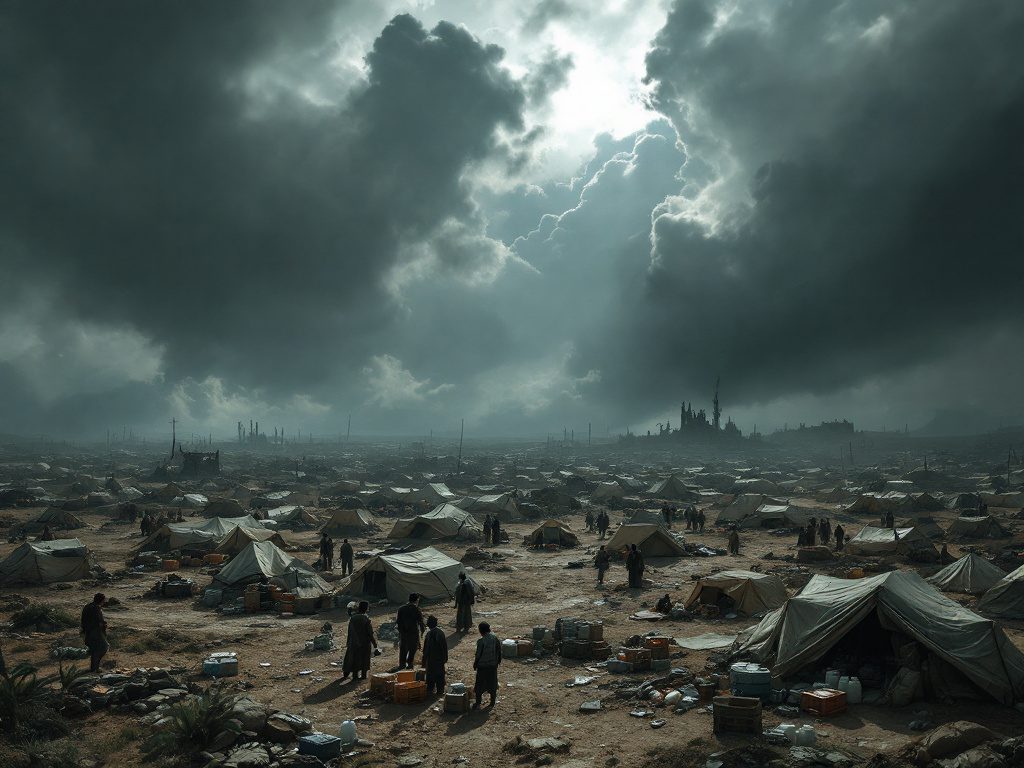
Imagine a city the size of Detroit—with every bridge destroyed, every hospital collapsing, every ration of food and clean water vanishing overnight. That’s daily life for Gaza’s 2.3 million residents today. As Israel’s Defense Minister, Israel Katz confirmed “no humanitarian aid will come to Gaza,” the enclave slips further into what the United Nations now calls “the worst humanitarian situation since the conflict began.” The physical war has not ended; it has simply transformed into a siege, where access to basic needs—food, water, medicine, fuel—has become the new front line.
Since March 2, Israeli policy has blocked virtually all humanitarian convoys from entering Gaza, on the grounds of undermining Hamas’ control. Katz’s strategy is unapologetic: keep aid away to force Hamas into concessions, especially around the release of Israeli hostages and cessation of fighting. Israeli airstrikes resumed with full force after the short-lived truce collapsed on March 18, killing more than 1,600 Palestinians just in the weeks since, and raising the official death toll to over 51,000 as reported by Gaza’s health authorities. The overwhelming majority are civilians—women, children, families uprooted as Israel’s military operation expanded to control over half of the besieged territory.
Humanitarian voices, including the UN’s Office for the Coordination of Humanitarian Affairs (OCHA), say the blockade isn’t merely a political tool. It’s a weaponization of deprivation: “Gaza is enduring mass displaced, infectious disease, and hunger unseen in recent memory,” OCHA’s latest situation report states. Evidence of chronic child malnutrition, mass displacement (with 90% of the population uprooted more than once), and near-total collapse of sanitation highlight a region on the edge of societal breakdown. The blockade on aid has become its own form of collective punishment—where children, the sick, and the elderly bear consequences intended for militant actors.
Domestic Backlash and Political Brinkmanship
Inside Israel, the political calculus around aid runs deep. Far-right ministers like Itamar Ben-Gvir and Micky Zohar thundered against even the remote prospect of humanitarian convoys, denouncing any suggestion to permit aid as a ‘historic mistake.’ The family forum for hostages describes such talk as “an illusion,” arguing that Hamas cannot be coerced through hunger alone, while casting doubt about any assurances aid will actually reach civilians. Any proposal to distribute supplies through civilian companies was shut down by conservatives, who believe absolute pressure—no food, no medicine—is Israel’s leverage.
Yet, what does history teach about using starvation as a bargaining chip? International law is unequivocal: collective punishment is prohibited, and humanitarian aid should never be weaponized. Past sieges—like Sarajevo in the 1990s or Yemen’s blockade—failed to achieve lasting peace, instead spawning radicalization, deepening trauma, and tarnishing the moral legitimacy of the besieging powers. Harvard’s Professor Sarah Leah Whitson observes, “Withholding food from women and children does not build bridges or buy freedom; it radicalizes populations and shreds trust in whatever comes next.”
“This is not simply about breaking Hamas—this is about breaking the will and hope of an entire population, and the cost will echo long after the guns go silent.”
Israel’s official line—that Hamas diverts and controls aid distribution—remains a key justification. Hamas denies such accusations, while international organizations regularly document looting and disruption without assigning sole blame. The murkiness of Gaza’s battlefield and the politicization of every humanitarian convoy all but guarantee that civilians pay the highest price. Even the suggestion of future civilian-run aid deliveries proved too controversial for Israel’s war cabinet, reflecting a rightward drift that values tactical advantage over long-term stability.
Global Outcry and the Progressive Imperative
As images of starving children—many gaunt from weeks without adequate food—circulate worldwide, the outcry intensifies. President Biden has at times expressed concern, yet U.S. military aid and diplomatic cover for Israel persist. Amnesty International, Doctors Without Borders, and the World Food Programme have all sounded alarms that, unless entry corridors are reopened soon, famine will be inevitable. The Red Cross warns a “generational crisis of trauma and deprivation” is in the making. Notably, the Israeli aid blockade threatens not only Palestinian lives but regional security and U.S. credibility abroad—a reality American policymakers can no longer ignore.
Can the pressure on Israeli leadership yield a reversal? Historically, international outrage has occasionally nudged Israel toward brief humanitarian openings—famously during previous Gaza escalations when coordinated U.N. efforts forced border crossings to open for limited convoys. Yet, with Israel’s current leadership facing powerful domestic hardliners, the calculus appears different: a willingness to risk long-term global isolation in pursuit of near-term security gains.
A closer look reveals: building peace requires more than military victories. When basic dignity is withheld, resentment festers for generations and peace negotiations ring hollow. The true test for progressive values—equality, compassion, and social justice—lies now in our collective refusal to accept collective punishment. No democracy can thrive, nor can any security be lasting, if it comes at the cost of another people’s right to life and hope.
Israel’s continued siege in Gaza demands not just condemnation, but sustained advocacy for humanitarian law, a return to principled diplomacy, and a willingness to confront uncomfortable truths—even when allies are involved. The world is watching, and history will remember not just who won or lost, but who kept faith with humanity when it mattered most.
