
The Unprovoked Assault at Fremont: Ordinary Lives, Extraordinary Trauma
It was just another evening at a McDonald’s in Fremont, California—a setting familiar to so many American families. Parents and children, sharing a simple meal, surrounded by the comforting aroma of fries and the soft buzz of friendly conversation. For one South Asian Indian family, that sense of safety shattered in seconds, transforming an everyday meal into a moment of terror and pain. Marcus Harper, 22, is now facing hate crime and misdemeanor assault charges after allegedly attacking a mother and her nine-year-old daughter, both targeted for their race and ethnicity.
Such acts of hate, when left unchecked, threaten not just individuals, but the very fabric of our shared community. According to prosecutors and witness accounts, the assault was unmistakably deliberate and fueled by racial animus. As the mother and her daughter ate their meal, Harper allegedly strode up, forcibly removed French fries from their tray, slapped the mother’s face from behind, doused the child with sauce, and delivered a chilling order: “You Indians need to go back to your country.” Surveillance footage captured the assault, while the family’s father, present at the scene, immediately called 911. The simple joy of dining out spiraled into a haunting episode—one now etched into the memories of three innocent people.
The aftermath was swift: officers identified and arrested Harper with the aid of video evidence and community tips. He now sits in the Santa Rita Jail, facing possible jail time if convicted—a consequence that, while necessary, cannot erase the profound trauma inflicted on this family or the community’s mounting anxiety regarding hate-fueled violence.
Unmasking the Motive: Escalating Hate Crimes and Community Fears
Beyond the specifics of this case, a troubling pattern emerges. National hate crime statistics, including recent data from the FBI, reveal a steady and deeply concerning rise in violence targeting Asian Americans and Pacific Islanders (AAPI). Since 2020, hate incidents against AAPI individuals have surged—fueled in part by xenophobic rhetoric and divisive national politics. The Bay Area, renowned for its diversity and progressive values, has not been immune, as shown in attacks similar to what unfolded in Fremont.
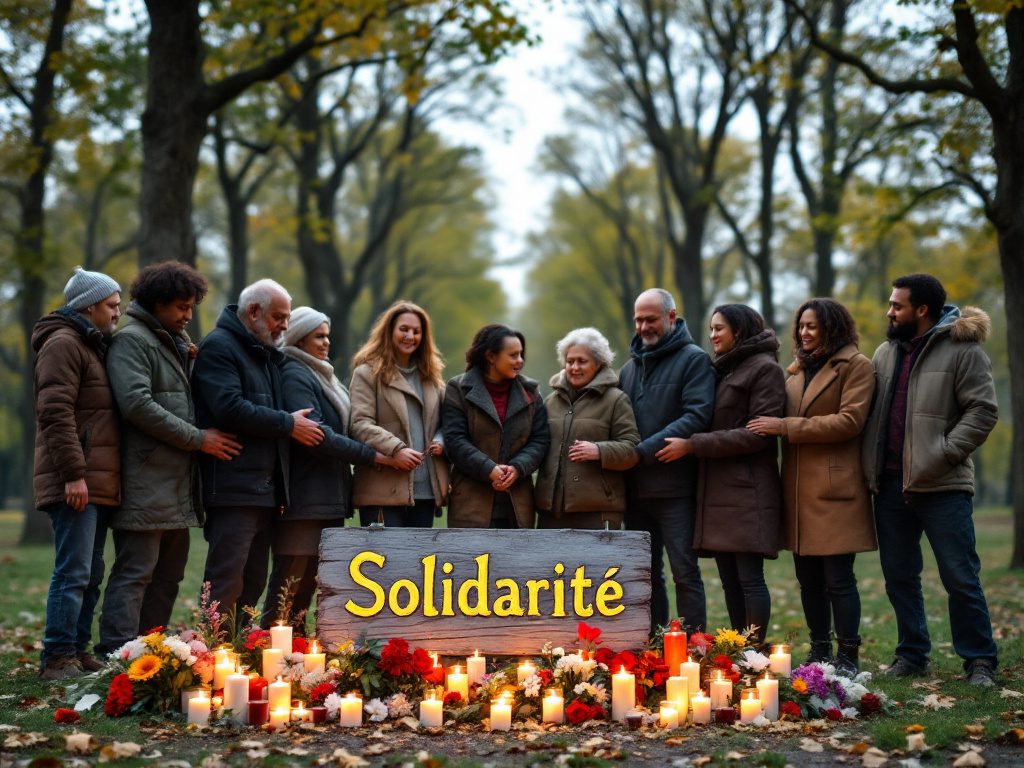
This latest incident adds a profoundly personal dimension to an ongoing crisis. Local leaders, including Alameda County District Attorney Ursula Jones Dickson, have condemned the attack and reaffirmed a commitment to “prosecute those who commit hate crimes to the full extent of the law.” Public acts of solidarity, from neighborhood rallies to faith group vigils, demonstrate that this is not simply a legal issue, but a moral reckoning for California—and for the nation as a whole.
Critically, the pernicious impact of conservative policies and rhetoric cannot be overlooked. Right-wing blame-shifting and willful ignorance regarding systemic racism create fertile ground for violence—whether by minimizing the threat of hate crimes, zealously defending discriminatory “free speech,” or obstructing reforms intended to increase accountability and justice. Harvard sociologist Dr. Min Jin Lee notes that hate crimes often spike in climates where “leadership fails to denounce bigotry unequivocally, or subtly emboldens it.” Communities must resist attempts to downplay the reality of hate, lest indifference become complicity.
Seeking Justice and Healing in the Wake of Hate
What does justice look like for victims and for a shaken community? District Attorney Dickson has been unequivocal: “This act of hate is completely unacceptable.” The prosecution’s swift action sends a message, yet many advocates argue that a year in county jail cannot undo the fear and stigma faced by Asian Americans nor address the underlying causes of hate.
“Every time a person is singled out, harassed, or attacked for who they are, the entire community is diminished. Our strength lies in standing up for each other with courage, not succumbing to cruelty.”
Far-reaching change demands more than prosecutions; it calls for investment in anti-racism education, restorative justice programs, and deep support for victims. According to a 2023 Pew Research survey, 60% of Asian Americans worry about being threatened or attacked because of their race—a fear that erodes the sense of belonging essential to healthy, vibrant communities. Real solutions must acknowledge that hate crimes are not isolated anomalies; they are signals that the promise of America remains unfulfilled for many.
There are signs of hope. In Alameda County and elsewhere, grassroots organizations are mobilizing resources to support hate crime survivors, educate children on empathy, and hold authorities accountable. The visibility of cases like the one in Fremont can spur better policies and greater awareness. But lasting progress demands vigilance, empathy, and the courage to confront ugly truths about race, belonging, and accountability in America.
You may ask, as so many do: What kind of country do we want to inhabit? If we wish for one where diversity is celebrated rather than feared, and where no mother fears for her safety while sharing a meal with her children, then the answer must be—a society that values every individual’s dignity, and acts to protect it. That is both our burden and our hope.
