
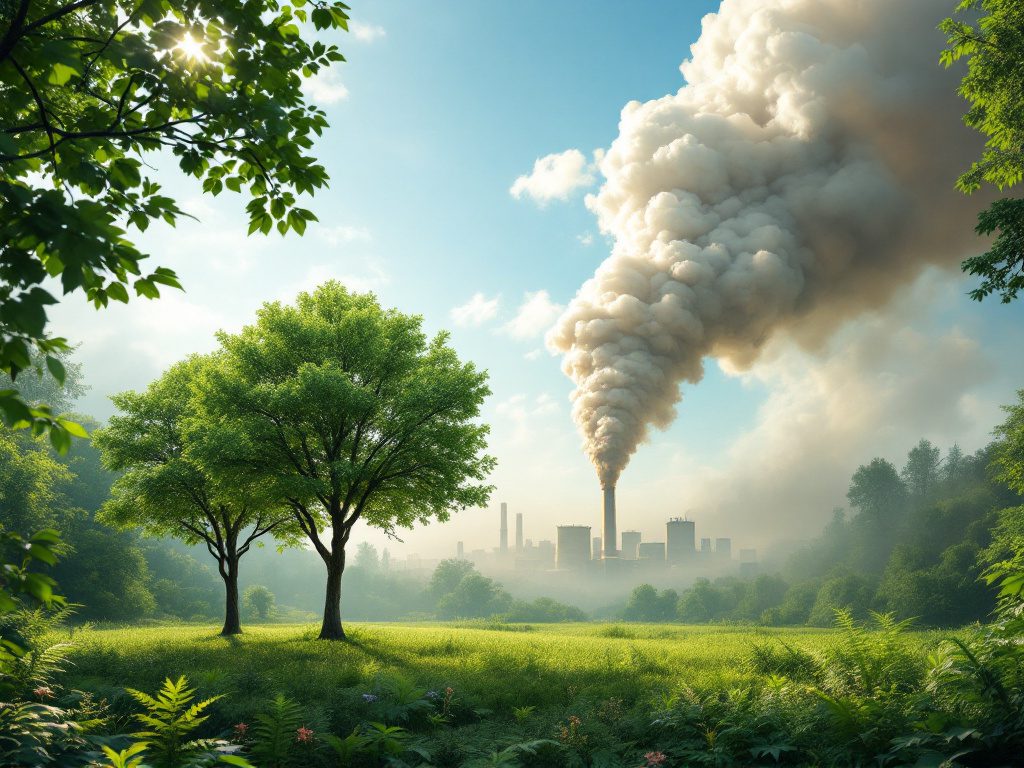
The EPA’s Drastic Retreat: Slashing Staff and Science
Picture the year 1985: Ronald Reagan sits in the Oval Office, “Back to the Future” is in theaters, and the U.S. Environmental Protection Agency is a far leaner institution. That’s the world the EPA intends to recreate, following its recent announcement of a massive $300 million budget cut and a planned reduction in staffing to 1980s levels. The agency’s sweeping “reorganization” will not only mean pink slips for thousands but the dissolution of its Office of Science and Technology—the division long responsible for establishing data-driven limits on water pollution and providing crucial scientific guidance for regulatory policy.
EPA Administrator Lee Zeldin has justified the overhaul as a quest for government efficiency, aligning with Trump-era executive orders to pare down federal oversight and recalibrate core missions. Yet, the echoes of this approach ring alarm bells for many in the scientific and environmental community. When the EPA last operated with such skeleton resources, the country faced recurring crises: lead in drinking water, acid rain, unchecked industrial pollution—problems that were only reined in through aggressive scientific research and regulatory vigilance.
Beyond that, this restructuring is not taking place in a vacuum. As climate change intensifies, environmental stressors—from toxic algal blooms in Lake Erie to cancer-causing chemicals in groundwater—are growing more complex, not less. “Cutting scientific expertise right when we need it most is a recipe for disaster,” warns Charles Lester of the Union of Concerned Scientists. “Climate science, chemical safety, and pollution control cannot be efficiently tackled by shrinking teams tied to political directives rather than evidence-based conclusions.”
Reshuffling Offices, Redefining Priorities—But At What Cost?
Buried in the hallmark of this overhaul are several new offices: the Office of State Air Partnerships, Office of Clean Air Programs, and a consolidated Office of Applied Science and Environmental Solutions. Ostensibly, these moves will streamline regulatory work and “ensure more consistent support for state, local, and tribal agencies,” as described by the EPA. According to Harvard environmental policy expert Jane Doerr, true efficiency should not come at the expense of scientific integrity. Shifting research away from an insulated, independent unit and nesting it directly within policy-driven programs risks reducing research to a function of political will.
One key point administration officials tout: strengthening the Office of Chemical Safety and Pollution Prevention (OCSPP), which faces a backlog of over 500 new chemicals waiting for safety review. More than 130 additional chemical experts will be brought on, but the larger picture remains troubling. Transferring scientific power away from centralized research only encourages ad hoc, fragmented decision-making. “Imagine evaluating new chemicals for public safety without robust, independent research,” Doerr cautions. “This is not how a progressive, science-driven democracy operates.”
The agency will also dissolve the Office of Science and Technology, the very unit that has developed standards protecting millions of Americans from contaminated drinking water. The void left by this move cannot be overstated. “There is little evidence that cost-cutting—at the expense of expertise—has ever resulted in better public health outcomes,” says University of Michigan public health historian Laura Perry, who draws a direct line between past EPA contractions and the environmental missteps of the late 20th century.
“This is not a reorganization—it’s a rolling back of America’s hard-won environmental progress. When facts become subordinate to politics, the public loses its most vital advocate.”
— Laura Perry, University of Michigan
EPA defenders frame these moves as a “return to basics,” an emphasis on statutory responsibilities rather than what they deride as “mission creep” into climate justice and environmental equity. But a closer look reveals that these areas—often serving communities of color and low-income neighborhoods—typically lack the resources to monitor, let alone combat, pollution and environmental abuses on their own. Eroding EPA’s role in these fields means handing power back to polluters and statehouse lobbyists.
Who Benefits from a Weakened EPA?
Supporters of the overhaul, including many conservative lawmakers and industry groups, claim the agency has grown unmanageably large and hobbled American business. They point to the nearly 1,300 employees who’ve already applied for early retirement or resignation as evidence that the bureaucracy was bloated. But such talking points ignore the reality that environmental problems have not shrunk since the 1980s—they have grown both in scale and complexity.
Consider the growing prevalence of PFAS “forever chemicals” contaminating water supplies in states like Michigan and New Jersey, or wildfire smoke now impacting air quality thousands of miles away. Conservative calls for “streamlining” fail to answer: Will a skeletal EPA have the capacity to address the next public health emergency, or to enforce new clean air and water safeguards that science demands?
Workforce reductions on this scale—EPA currently employs over 14,000 people—risk a loss of institutional memory and technical know-how that is virtually irreplaceable. Over 8,300 staffers have already attended briefings on the agency’s Deferred Resignation and Voluntary Early Retirement programs. “Our staff doesn’t just enforce the rules—they write, interpret, and update them with the latest scientific insights,” reminds former EPA Deputy Administrator Stan Meiburg.
Looking at history, gutting environmental agencies rarely produces the cost savings or efficiency promised. During the Reagan era, severe budget and staffing cuts left Superfund toxic waste cleanups in limbo and forced the agency to triage crises rather than prevent them. The mounting cost of cleanup and litigation ultimately far outstripped the money saved upfront.
As public health crises evolve—from invisible air toxics to climate-driven disasters—the need for an agile, scientifically robust EPA has never been more urgent. Shrinking the agency’s capacity to 1980s levels is not just shortsighted; it gambles with our collective future. Efficiency must never be an excuse for abandoning expertise and equity—the very principles that define America’s progress.
