
Bold New Tactics: Ukraine Expands the War’s Front Lines
You wake to morning headlines, but behind the familiar churn is a development that upends traditional definitions of the battlefield: Ukrainian forces have struck deep into Russian territory, obliterating a significant portion of a major electrical equipment factory in Bryansk, just miles from Ukraine’s own besieged borderlands. The Strela plant, as confirmed by local governor Alexander Bogomaz, did not just manufacture ordinary transformers and electronics. It’s a facility Moscow relied upon to supply vital radar components, chokes, and technological lifelines for Russia’s defense and aerospace programs.
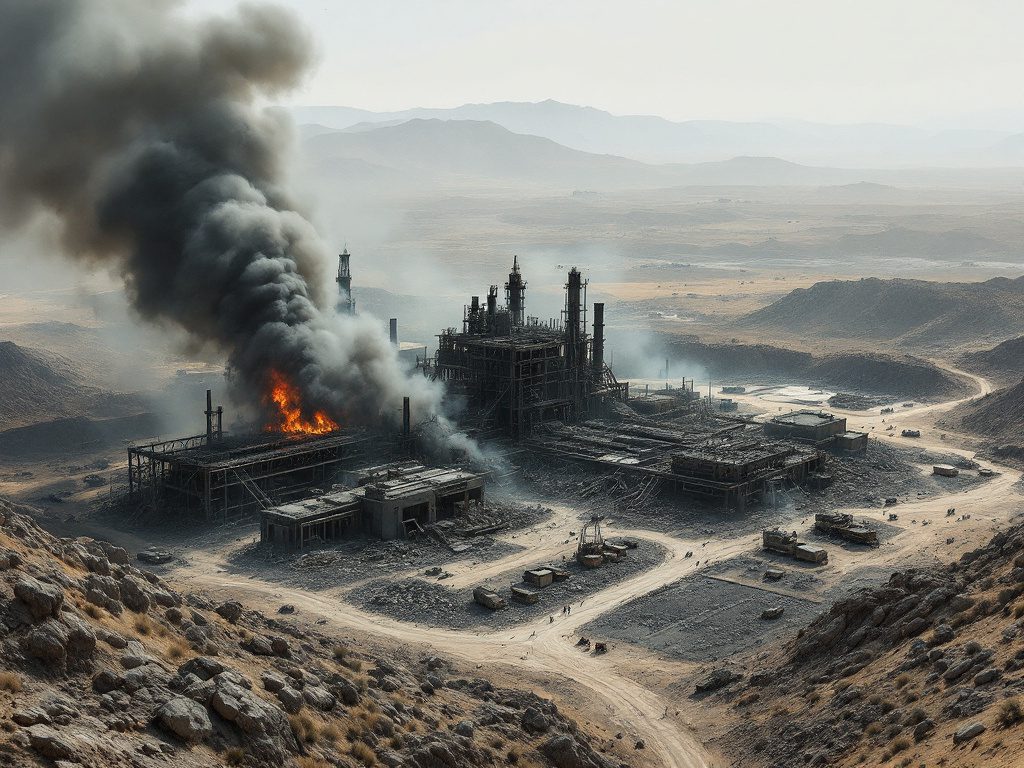
Russian Telegram channels buzzed with images of a towering inferno—250 square meters, nearly 2,700 square feet—engulfing the night, while officials scrambled to clarify: yes, the factory was destroyed, but there were, remarkably, no casualties. The Russian Defense Ministry said little, quietly acknowledging a drone was shot down but leaving the true scale of the attack unaddressed. Why does this matter? The answer is chilling in its simplicity: this is Ukraine’s most assertive demonstration that the tools and terrains of war are rapidly evolving.
Since Moscow’s full-scale invasion in February 2022, Ukrainian targeting has hunted logistics hubs, oil refineries, even bridges across occupied Crimea. Yet, each new strike on Russian industrial heartlands signals a broader escalation—and a warning that war’s reach no longer halts at the front.
The Strela Plant: Targeting Russia’s Military-Industrial Complex
A closer look reveals the Strela plant wasn’t just any economic asset. In a war built on attrition, the ability to regenerate precision equipment—radar for missile batteries, transformers for communication relays—confers a decisive edge. The Bryansk region, bordering both Ukraine and Belarus, has grown into a critical corridor for supplying arms to Russian troops and sustaining Kremlin ambitions across the sprawling Ukrainian battlefront.
Choosing Strela as a target was anything but random. Harvard security expert Emily Hodge recently noted that “Ukraine’s targeting of defense infrastructure is an adaptive response to Russia’s own escalation—by striking these facilities, Kyiv seeks to slow Russia’s war machine at its very roots.” Hit with a barrage from a Grad multiple rocket launcher system, the Strela facility’s workshops and administrative buildings were reduced to charred foundations, casting new doubt on Russia’s ability to quickly regain lost technological momentum.
“The destruction of infrastructure like the Strela plant signals a dramatic shift in the types of targets considered fair game,” says Moscow-based political analyst Yevgeny Minchenko. “It raises uncomfortable questions about the future scope of this conflict—not just for Russia and Ukraine, but for the entire region’s security architecture.”
Beyond that, Ukraine’s ambitions reflect a hard-earned lesson: defensive wars are not won by passively absorbing blows. As drone warfare, long-range rockets, and economic sabotage reshape military doctrine, both sides face an unpalatable calculus. For Kyiv, every disabled factory is a day less that Russia can manufacture smart bombs or coordinate electronic attacks on Ukrainian troops and civilians alike.
From Strategic Victory to Precarious Precedent
Echoes of history make these moments feel especially fraught. Recall the Allies’ systematic bombing of German ball-bearing plants and synthetic fuel facilities in World War II—a campaign that ultimately throttled Nazi Germany’s capacity to sustain armored offensives. Military historians like Stephen Badsey of the UK’s Royal Military Academy warn that “industrial targeting is as old as modern warfare itself, but the risk of escalation rises as these strikes hit deeper, more consequential infrastructure.”
The response from Russia has been characteristically opaque. The muted public reaction, unwillingness to confirm the strike’s extent, and careful parsing of casualties are all hallmarks of an information environment stuck between maintaining morale and admitting vulnerabilities. Will targeting the Strela plant and others like it deter Kremlin aggression, or will it provoke an even more ferocious retaliation from Moscow?
Complicating matters further, Western observers worry these attacks may blur the line between military and civilian infrastructure. While the Strela factory had clear defense ties, many of Russia’s industrial complexes maintain dual-use capacities. International law prohibits direct attacks on civilian facilities—but in a conflict where radar and electronic war components easily double as “civilian” goods, legal and ethical boundaries grow ever harder to police.
Is Ukraine’s evolving doctrine a sign of bravery or desperation? The reality is more nuanced. Faced with existential threats from a far larger foe, Ukraine’s actions are born of necessity, not recklessness. Yet, the inescapable reality is that escalation rarely benefits the most vulnerable—families on both sides who pay the price for military innovation and hazardous brinkmanship.
What This Means for the War—and for Us
What’s at stake isn’t just the industrial capacity of Bryansk or the balance of military power. It’s the future of how wars are fought—and who gets caught in the crossfire. By demonstrating an ability to reach well beyond defensive lines, Ukraine is both asserting its agency and reminding the world of the risks inherent in a protracted, unbalanced conflict.
This episode is a clarion call for renewed diplomacy and accountability. As long as major industrial targets remain within the crosshairs, the possibilities for unintended escalation and humanitarian crisis grow sharper by the day. The world cannot afford to look away or indulge in simplistic narratives favoring “might makes right.” Proactive engagement, clear lines of protected infrastructure, and continued pressure for a just peace are not just progressive values—they are survival imperatives for a region battered by unchecked aggression.
What unfolds next in Bryansk could very well presage the next phase of this war, and perhaps future conflicts elsewhere. For now, the fires at Strela echo a warning: victory on the modern battlefield is measured not only in territory but in the slow, steady erosion of an adversary’s ability to wage war. The world owes it to those living under the shadow of war to remain vigilant, empathetic, and, above all, committed to peace and justice in the face of mounting devastation.
