
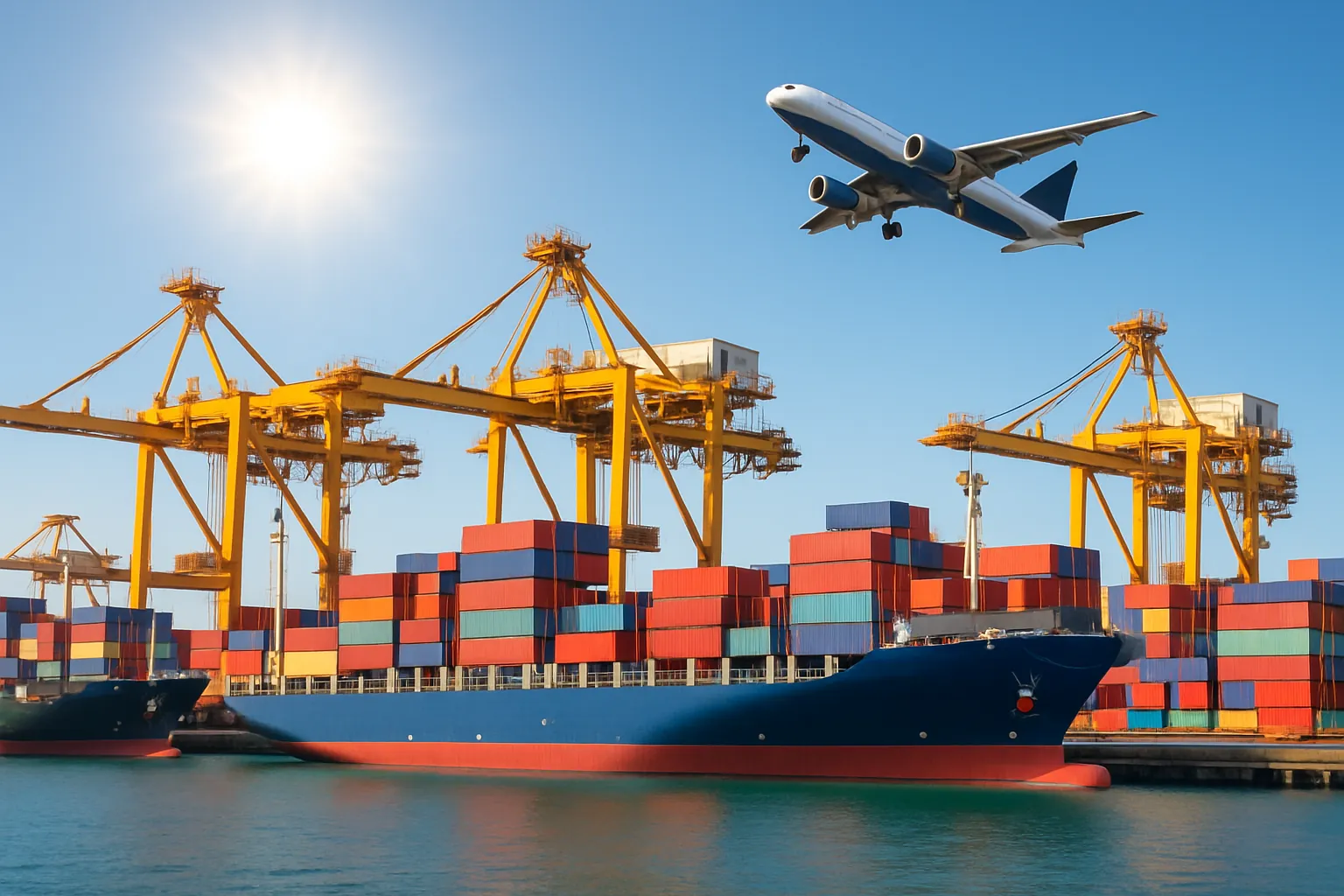
Cautious Optimism Returns to Global Shipping
On a frosty Monday in Copenhagen, news of a 90-day pause on US-China tariffs reached investors and executives alike. The ripple was almost immediate: shares of Danish shipping giant Maersk soared nearly 13%, with Germany’s Hapag-Lloyd trailing close behind. The cause? A fleeting, yet meaningful ceasefire in the ongoing trade war between the two dominant engines of global commerce.
Maersk, which serves as a bellwether for global trade activity, issued a statement praising the agreement as a step in the right direction. The company outlined that this interim measure injects a “much-needed dose of clarity” into a landscape battered by over a year of tariff brinkmanship. The enthusiasm wasn’t just corporate spin—UBS analysts reported no significant drop in containers departing Chinese ports for US destinations, debunking fears that global supply chains were grinding to a halt.
How can a 90-day window reshape the mood of such a vast, interconnected system? For Maersk and its counterparts, stability—however temporary—offers a rare opportunity to recalibrate. As Maersk’s head of investor relations noted, “Predictability means everything in this business.” For shippers, manufacturers, and retailers, volatility is the enemy; predictable tariffs, even if high, can at least be planned around.
Tariff Relief: A Welcome Pause, But Not a Cure
A closer look reveals the limits of this pause. As ship-tracking analysis from UBS underscores, Chinese ports continued humming, with container throughput steady despite alarmist headlines. This resilience contradicts the narrative of a trade flow collapse, raising the question: were dire predictions symptomatic of political posturing more than on-the-ground reality?
The temporary truce, which slashes most tariffs from an eye-watering 125% down to 10%, is undeniably a victory for logic over escalation—at least for now. Yet, as Harvard economist Laura Tyson cautions, “Short-term deals are no substitute for comprehensive agreements. Tariff uncertainty discourages the kind of long-term investment that underpins both supply-chain efficiency and economic growth.”
History offers a stark warning: in the 1930s, a spiral of tariffs deepened and prolonged the Great Depression. Today’s global economy is even more interwoven, and vulnerable populations—warehouse workers in Los Angeles, small manufacturers in Shenzhen—bear the brunt of policy whiplash. The current agreement, while symbolically important, is only a Band-Aid over a festering wound.
“The recent tariff pause between the US and China may ease market jitters, but true recovery demands enduring policy reforms—otherwise, businesses are left planning for the next round of uncertainty.” — Princeton trade expert Daniel Cook
Beyond the Stock Surge: The Stakes for Progressives
Why should ordinary people, far from the world of container ships and tariff schedules, care about a temporary truce between Washington and Beijing? The answer ties directly to core progressive values: fairness, economic stability, and global cooperation. Tariff wars have a disproportionate impact on those with the least buffer—families facing higher prices for everyday goods, workers whose jobs depend on robust trade, and developing nations that form crucial supply-chain links.
The sharp rise in Maersk’s shares and the bullish mood among investors highlight the market’s hunger for stability, but the benefits should extend far beyond stock tickers. According to a recent Pew Research poll, nearly 60% of Americans believe that steady international trade supports national prosperity. Local economies, union jobs at major ports, and small businesses spanning continents benefit from sensible, predictable policies rather than headline-grabbing chest-thumping.
Progressive leaders have long argued for trade policy grounded in transparency and equity. A multi-decade truce, or better yet, a permanent framework for fair trade, would allow labor and environmental standards to advance alongside economic interests. Otherwise, we risk falling into a cycle where working families are collateral damage in superpower squabbles.
Beyond that, the Maersk moment demonstrates that even modest de-escalations can foster hope. Yet hope cannot substitute for action. As Senator Elizabeth Warren once warned, “Quick fixes are no substitute for a level playing field and long-term planning.” Real progress—on climate, on fairness, on workers’ rights—will require moving beyond the binary of tariffs versus free-for-all globalization.
The path forward? Policy grounded in facts, not fear. Global dependence on smooth technology trade flows suggests that leaders should prioritize *collaborative solutions*. The positive reaction from shipping companies matters, but for everyday people, what matters more is whether Washington and Beijing can replace posturing with genuine, sustainable compromise.
