
Trade War’s High Stakes: Why Boeing Became a Bargaining Chip
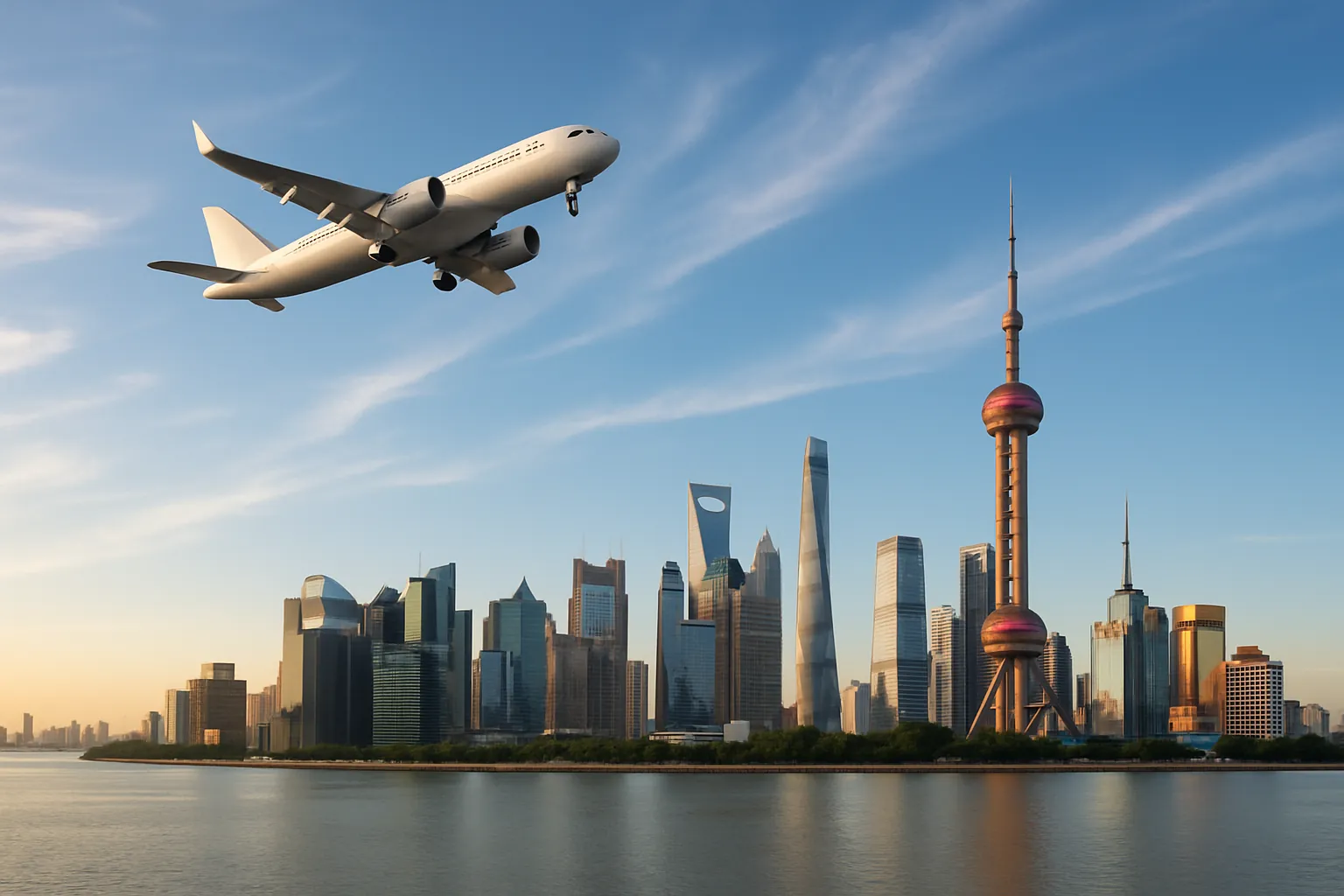
Jetliners may not spring to mind when you think of political brinkmanship, but in the ongoing saga of the U.S.-China trade war, few companies illustrate the real-world stakes of tariff disputes like Boeing. For a tense month, China banned its airlines from taking delivery of U.S.-made Boeing jets, entangling a Fortune 100 icon in escalating tariffs. That decision forced several gleaming new aircraft, primed for customers in Shanghai and Beijing, to reroute back to American soil—symbolic casualties in a trade conflict fueled by political posturing and economic retaliation.
Why did China target Boeing? Aircraft sales represent not just big business, but also a highly visible marker of bilateral cooperation. Every undelivered jet means hundreds of U.S. manufacturing jobs in limbo, and delays cost Boeing millions while complicating production schedules. According to aerospace analyst Richard Aboulafia, “When a country wants to send a message, it targets flagship industries. Losing Chinese buyers hits Boeing harder than just about anyone else.”
Banning aircraft deliveries wasn’t just tit-for-tat gamesmanship. It demonstrated how trade spats can ripple out to ordinary workers and families, showing that tariff fights are never contained solely within government offices or shareholder reports. Just ask the Kansas machinist whose line got retooled when jets earmarked for China sat idle in a Seattle hangar.
Tariff Truce: A Temporary Respite or Turning Point?
Recently, a fragile thaw has emerged. The United States and China agreed to suspend most of their punishing tariffs for 90 days—a window intended to encourage further talks. Effective May 14, the U.S. will lower the “De minimis” tariff on Chinese shipments from a jaw-dropping 120% to 54%, paired with a $100 flat fee. Meanwhile, China slashed its tariffs on U.S. goods from 125% to 10%, immediately resetting the competitive landscape for American exporters, including those in the aerospace sector.
China responded by lifting its freeze on Boeing deliveries, notifying domestic carriers they can once again receive U.S.-made jets based on their own timelines and operational needs. This measure grants Chinese airlines valuable flexibility and hands Boeing a much-needed financial reprieve. Research from Bernstein anticipates that the reunited pipeline could amount to at least 50 new deliveries to Chinese customers in 2024 alone—putting billions back into circulation and stabilizing jobs across the U.S. supply chain.
The market responded with visible optimism. On Wall Street, Boeing’s stock price—already up 12% this year—surged on the news of resumed deliveries and tariff relief. But beyond investors’ jubilation looms uncertainty. Both Washington and Beijing framed the 90-day truce as a chance to negotiate deeper solutions but avoided firm commitments on long-term tariff policy. Harvard economist Laura Tyson warns, “Short-term deals buy time, but they don’t resolve deep structural rifts. If this window closes without progress, expect volatility to return.”
The Human Cost of High Tariffs and the Perils of Decoupling
When political leaders boast about weaponizing tariffs, it’s easy to lose sight of who really pays the price. For Boeing, the ban meant not only reputational risk but also a logistical nightmare—as dozens of completed jets were either stranded at Chinese ports or sent back across the Pacific, forcing the company to seek buyers in markets like India, Malaysia, and Saudi Arabia. In the process, hundreds of U.S. workers faced layoffs or uncertainty about their future contracts.
China’s willingness to wield Boeing as a bargaining chip exposes a broader vulnerability: the delicate web connecting global supply chains. U.S. Treasury Secretary Scott Bessent recently admitted, “Neither the U.S. nor China wants decoupling. The tariffs we saw at the peak were tantamount to an embargo—nobody benefits from that.”
What’s at stake if this fragile detente unravels? Global air travel itself is an intricate ballet requiring cooperation—not just competition—between suppliers, regulators, and carriers. Disruptions force airlines to delay route expansions, downgrade services, or pass higher costs to ordinary travelers. Environmental upgrades, like investments in more fuel-efficient jets, are also imperiled when political leaders (focused narrowly on nationalist posturing) make transnational collaboration harder.
“Short-term deals buy time, but they don’t resolve deep structural rifts. If this window closes without progress, expect volatility to return.” — Harvard economist Laura Tyson
The echoes of the Smoot-Hawley Tariff Act—America’s notorious plunge into protectionism during the Great Depression—remain stark even now. According to a recent Pew Research Center survey, a clear majority of Americans believe tariffs hurt consumers by raising prices and triggering retaliatory measures. The Boeing ban episode should be a cautionary tale: weaponizing trade isn’t just about flexing economic muscle; it jeopardizes real livelihoods and undermines America’s international standing.
The Path Forward: Cooperation Over Confrontation
American strength has always hinged on its openness—embracing global exchange, learning from competitors, and investing in shared solutions. While conservatives trumpet “America First” and invoke tariffs as proof of tough leadership, the evidence tells a different story. Protectionism rarely yields sustained prosperity; history’s most resilient economies are those that maintain ties even under strain.
A closer look reveals that the latest trade truce isn’t political weakness—it’s a recognition of economic interdependence. The relief felt in Everett, Wichita, and Charleston, where Boeing workers roll out finished jets, speaks volumes. Rational policy isn’t about punitive measures, but honest dialogue that safeguards both American jobs and the long-term relationships our economy depends on.
Over the next 90 days, whether this truce becomes the start of new cooperation or merely a pause before another round of escalation will depend on the political will of leaders on both continents. One thing is certain: for Boeing’s workforce, airline passengers, and the broader public, the cost of trade-war drama is more than an abstract talking point—it’s a reality measured in paychecks, fare hikes, and the stability of the communities where American innovation takes flight.
