
Friction and Fallout: The Human Cost of Tariffs
A round of stubborn brinksmanship on the world stage continues to cast a long shadow over the global economy, as U.S. trade talks with China remain firmly stalled. President Donald Trump recently accused China of violating the terms of a preliminary agreement, alleging that “many factories” in China closed and civil unrest broke out as a result of his aggressive tariff strategy—a claim not substantiated by any credible independent reports. Even so, the uncertainty generated by this heated rhetoric and the still-escalating U.S.-China trade war has helped drive volatility on Wall Street and deepen anxiety in boardrooms and households across the country.
Treasury Secretary Scott Bessent sounded the alarm on the lack of progress, indicating negotiations with China are “a bit stalled” and may require direct involvement from both President Trump and Chinese President Xi Jinping. Absent meaningful progress, a cloud of confusion hangs over not just U.S. importers and exporters, but workers and families whose jobs and livelihoods depend on a predictable global trading system. It’s a stark reminder that tariffs are not mere numbers on a government press release—they come with real consequences.
Recent market data back up these fears: U.S. stock futures fell sharply in reaction to news of the logjam at the negotiating table and a fresh federal court ruling that deemed many of Trump’s tariffs unlawful—only for an appeals court to sustain the duties, pending further review. The back-and-forth leaves businesses struggling to plan for the next quarter, much less the future. According to a recent report from the Peterson Institute for International Economics, manufacturing output in key export sectors declined by nearly 4% over the past year—the worst showing since the Great Recession. Across America’s heartland, farmers and factory workers who had hoped for relief now face mounting uncertainty.
Courtrooms and Capitulation: The Limits of Unilateral Power
The legal dimension of this trade war is just as fraught as the economic one. In a decisive rebuke, a federal trade court ruled that the President had overstepped his legal authority by imposing sweeping tariffs under emergency powers—a move that violated the U.S.-Mexico-Canada Agreement (USMCA), according to court documents. Yet, with a stroke-of-the-pen style characteristic of this administration, the White House pivoted: when one legal avenue failed, another was swiftly attempted. The appeals court paused the lower court’s decision, meaning the tariffs persist for now.
China, for its part, wasted little time in responding. The country’s Foreign Ministry called the U.S. approach “protectionism” and reiterated that “trade wars have no winners,” urging the Trump administration to cancel what they describe as wrongful unilateral taxes. “The current path is mutually destructive—global growth suffers and neither side secures what it seeks—emphasizing the need for genuine cooperation over division,” noted Brookings Institution senior fellow David Dollar in a recent panel on U.S.-China relations.
Beyond that, the agreement reached in early May did, on paper, reduce some tariffs: The U.S. cut rates on Chinese imports from a staggering 145% to 30%; China lowered reciprocal duties from 125% to 10%. Yet this breakthrough was partial and fragile, failing to address America’s core concerns over China’s state-dominated economic model and intellectual property practices. As Harvard economist Mary Lovely notes, “Neither side’s deepest structural grievances were settled—meaning this dispute was always one spark away from reignition.”
The uncertainty and disruption created by these tit-for-tat tariffs don’t just rattle markets—they erode trust and stability at the very heart of the world’s most important economic relationship.
It is little surprise, then, that U.S. Trade Representative Jamieson Greer accused China of “slow-rolling” its commitments—a charge levied without public evidence, echoing a broader pattern of the administration making sweeping claims that rarely translate into transparent action or real results.
What’s at Stake: Moving Beyond Zero-Sum Thinking
A closer look reveals that the administration’s “America First” approach has inflicted wounds not just on China, but right here at home among the very communities it claims to defend. Whether it is the farmers whose soybeans rot in silos or the automakers struggling with fluctuating supply costs, the reality is clear: isolationist bluster cannot substitute for sustainable economic policy. According to the U.S. Chamber of Commerce, the 2018-2019 tariffs led to an estimated $46 billion in direct costs to American businesses—a cost paid not by foreign governments but by American companies and consumers.
The irony is striking. While both Washington and Beijing tout their own toughness, American families most keenly feel the price in the form of rising costs and shrinking opportunities. Has the combative approach yielded the promised transformation of Chinese economic behavior? Recent World Bank data suggest not: China’s exports have dipped and rebounded several times, but the country’s relentless industrial policies show little sign of major reform under outside pressure.
Real progress on these intractable issues will come not from grandstanding or judicial gimmickry, but from a return to pragmatic, rules-driven diplomacy. America has a proud history of forging international agreements—from Roosevelt’s Bretton Woods vision to Obama’s Trans-Pacific Partnership—that elevated values of fairness, collective security, and shared prosperity. It’s a tradition worth reclaiming. As Princeton’s Anne-Marie Slaughter aptly puts it, “We accomplish more when we work with allies and hold ourselves to the highest standards—when our word is good, and our treaties stand.”
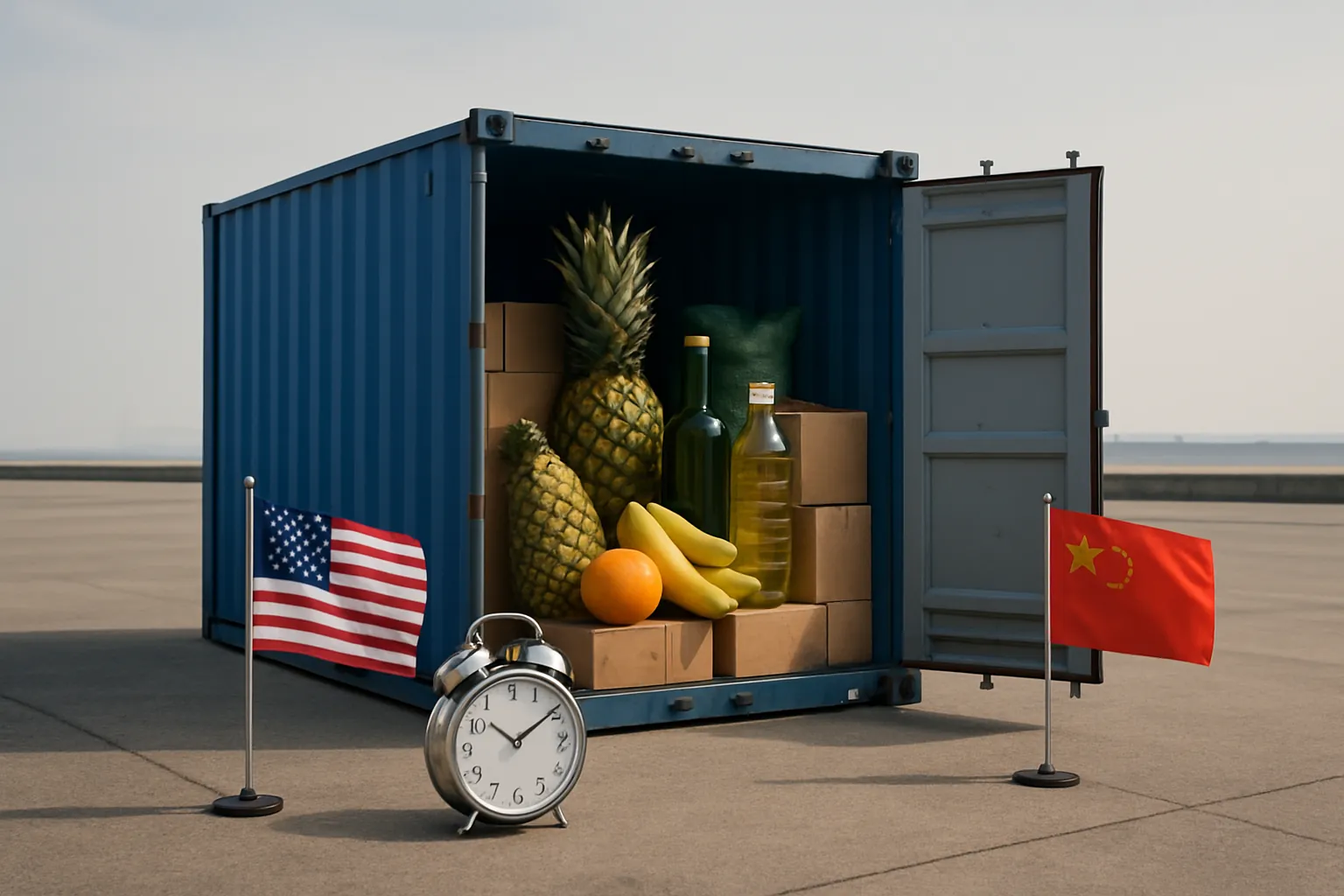
Will Trump pick up the phone and break the impasse with Xi Jinping? The clock is ticking as the 90-day truce deadline approaches. But even that moment, if it comes, will only matter if this administration can look beyond zero-sum theatrics and embrace the hard, necessary work of building trust and enforcing fair rules.
