
Flashpoint: US Military Posturing Amid the Fog of Retaliation
Picture it: Two U.S. Navy destroyers slicing through Mediterranean waters, their radars bristling, crews on high alert. These vessels—among America’s most advanced naval assets—are not on a routine patrol. They’re steaming toward potential conflict, propelled by Israel’s bold airstrikes against Iran and the ever-present drumbeat of retaliation from Tehran. The world holds its breath—another spark, another potential conflagration in a region no stranger to turmoil.
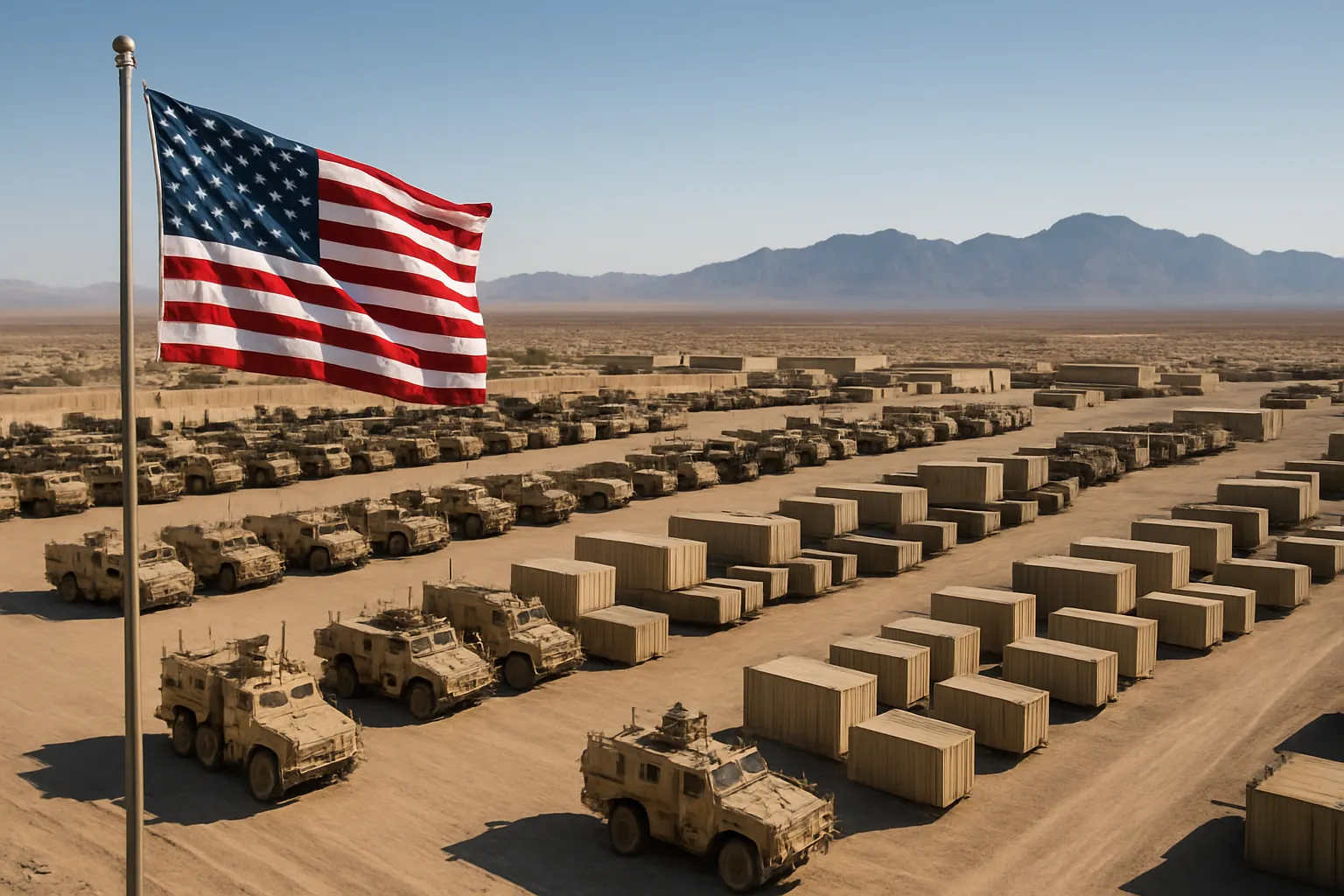
After Israel struck multiple Iranian sites, including uranium enrichment plants and ballistic missile facilities, high-level U.S. meetings convened in Washington. President Donald Trump huddled with his National Security Council—a scene all too familiar in recent decades, with presidents from both parties confronting Middle Eastern crises where American interests, lives, and the fate of liberal values hang in the balance. The USS Thomas Hudner has been ordered east, joined by a shadowing sister destroyer; military dependents are already evacuating regional bases in a grim echo of previous evacuations from Iraq and Afghanistan.
What does this all signal? Some would claim it’s deterrence. Others see all-too-familiar mission creep, a chain reaction that draws America deeper into the region’s cycle of vengeance. The surge—from 30,000 to more than 43,000 U.S. troops—recalls the post-9/11 rush to bolster outposts across the Middle East. Yet what have decades of military escalation yielded for stability, security, or democracy? Harvard historian Melani McAlister notes that “American deployments rarely yield lasting peace but often entrench the U.S. in others’ conflicts, making exits fraught.”
Retaliation, Repercussions, and Recurring Lessons
Events unfolded rapidly after the Israeli airstrikes. The targeted bombing not only incapacitated Iranian uranium facilities and missile plants, it also claimed the lives of high-ranking Iranian commanders, including IRGC leader Hossein Salami and armed forces chief Mohammad Bagheri—a devastating blow by any measure. Netanyahu’s government insists the operation will continue until objectives are fully met. Tehran, in turn, launched over 100 drones toward Israel, underscoring the region’s powder-keg volatility.
The U.S. finds itself caught in a familiar bind: how to shield an ally while minimizing escalation. On October 1, U.S. Navy destroyers fired a dozen interceptors to defend Israel as Iran unleashed more than 200 missiles. The show of force is not just military; it’s political theater—a signal to both friends and foes that American commitment in the Middle East isn’t about to disappear.
Lost in the headlines is the human toll. U.S. spouses and children are encouraged to leave bases in Bahrain and Qatar, a precaution designed to safeguard lives but also a veiled admission of vulnerability. Regional partners—Jordan, Egypt, Saudi Arabia—brace for fallout, anxious about proxy violence and refugee surges that historically attend great-power clashes. A closer look reveals the high risks of tethering U.S. security to Israel’s most hawkish maneuvers.
“The paradox is clear: every new round of U.S. deployments aimed at deterring violence risks feeding the region’s cycle of escalation instead of breaking it.” — Sarah Leah Whitson, Middle East expert, Columbia University
If history is a guide, these moments of crisis often spiral into years of occupation, reconstruction, and policy drift. Congressional critics are already questioning the transparency of executive war powers—shadows of debates over Iraq and Afghanistan looming as Congress demands clarity on objectives and endpoints. According to a recent Pew Research Center survey, a majority of Americans now say the U.S. is too entangled in Middle Eastern affairs, longing for an approach less reliant on military might and more invested in diplomacy and multilateralism.
Diplomacy Deferred: The Missing American Playbook
While destroyers maneuver and diplomats huddle in capitals from Brussels to Doha, Iran’s drone launches and Israeli reprisals ripple across the region and beyond. The International Atomic Energy Agency (IAEA) voices concern over attacks on nuclear sites, though thankfully radiation levels remain stable for now. Global markets shudder—oil prices surge, humanitarian agencies brace for mass displacement, and the world’s democracies fret about the consequences of unchecked escalation.
Washington’s dilemma is one of credibility versus restraint. A foreign policy led by saber-rattling and show-of-force can undermine the liberal ideals it purports to defend—rule of law, multilateral cooperation, human rights—by casting America as a titanic enforcer rather than a principled broker. Where is the urgency for de-escalation, the investment in diplomacy, the acknowledgment that military force, even when justified by defense, rarely addresses the grievances or aspirations that stoke regional conflict?
Beyond that, progressive voices urge a course correction. Senator Chris Murphy argues, “We’ve seen this movie before. Absent bold diplomatic engagement, we are sleepwalking toward expanded war.” The United States has the opportunity—and responsibility—to champion collective security over unilateral retribution, and to invest in alliances and UN channels that seek de-escalation, not further militarization.
What’s next for the region, and for Americans, many of whom are weary of endless war? One thing is clear: The world needs an American playbook that prizes diplomacy, invests in peace-building, and upholds democratic norms. Without it, cycles of escalation in the Middle East will remain a cautionary tale for all who care about progressive values, human life, and global stability.
