
Weather Warnings, Conspiracy Storms, and Real Loss
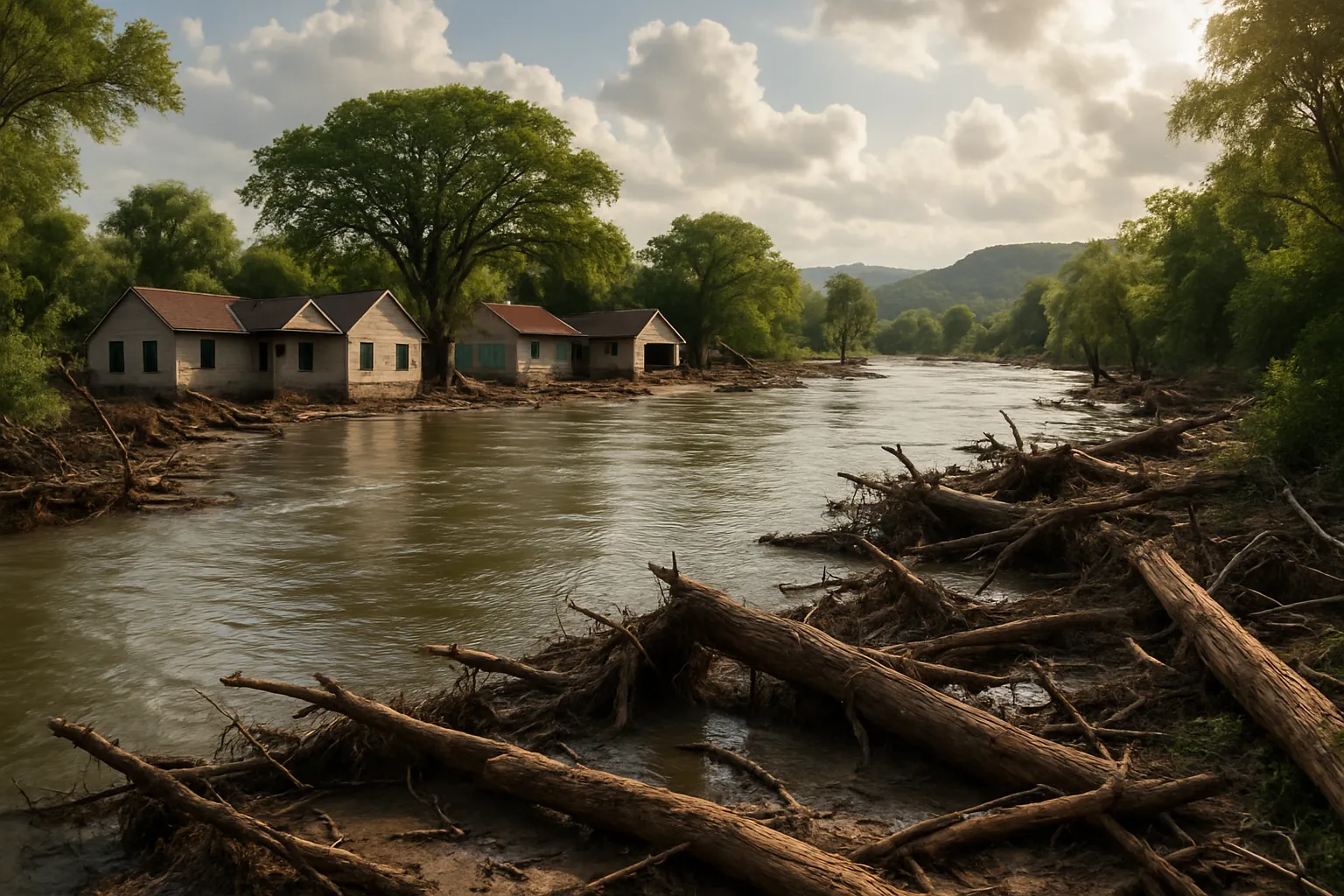
In the wake of devastating flash floods in central Texas, Senator Ted Cruz found himself at the center of both grief and controversy—not solely over the tragedy itself, but the carnival of conspiracy theories and finger-pointing that followed. More than 80 people have died, hundreds are displaced, and questions about public safety—and governmental responsibility—are swirling almost as quickly as the floodwaters themselves. The devastation along the Guadalupe River, especially near Camp Mystic, unfolded rapidly: the water surged 26 feet in just 45 minutes, catching families and local authorities off-guard. Against this backdrop, Cruz urged restraint and unity, insisting that now was “not the time to politicize—or even examine—the tragedy.”
But for those looking for accountability and concrete answers, this call for unity rings hollow. Dodging uncomfortable questions in the face of tragedy serves only to deepen public mistrust. The notion that any scrutiny of preparedness or response amounts to “politicizing” disaster is a familiar refrain from conservative leaders when the heat is on—and a dodge that does little to help surviving families or prevent future loss.
Senator Cruz wasn’t just fielding questions about government response. He also found himself batting away talk of so-called “weather modification,” after social media erupted with claims that cloud-seeding or shadowy governmental actors were behind the catastrophic floods. “Look, the Internet can be a strange place,” Cruz said, dismissing the claims and reiterating that there is “zero evidence” to support them.
The Real Storm: Funding Cuts, Mixed Warnings, and the National Weather Service
While conspiracy theories may be the most eye-catching distraction, the substantive concern at the core of the Texas tragedy is whether agencies meant to protect Americans—like the National Weather Service (NWS) and the National Oceanic and Atmospheric Administration (NOAA)—had the resources they needed to do the job. The Trump administration’s repeated proposals for deep cuts to both NOAA and the NWS loom large. Staffing shortages have left local offices stretched thin, which can hamper the speed and specificity of critical alerts. According to data from the National Weather Service Employees Organization, unfilled posts have tripled since 2010, creating gaps that potentially delay warnings and limit real-time monitoring in rapidly evolving emergencies like Texas just experienced.
During a press conference, Cruz insisted that “the NWS had additional manpower and was prepared to handle the situation,” highlighting that extra staff were reportedly on duty. Yet, earlier evacuations could have saved lives at Camp Mystic—and Cruz himself admitted that, in hindsight, local authorities should have acted sooner. Whether that hindsight translates into meaningful change remains to be seen.
A closer look at the timeline reveals that while the NWS did issue warnings hours in advance, the sheer speed of the river’s rise caught nearly everyone by surprise. This is precisely why critics—among them Senate Minority Leader Chuck Schumer—are calling for deeper scrutiny: what systems failed, and were those failures predictable or preventable? Public oversight demands more than calls for community volunteerism; Americans deserve a clear-eyed assessment of how and why their government may have fallen short.
“The notion that any scrutiny of preparedness or response amounts to ‘politicizing’ disaster is a familiar refrain from conservative leaders when the heat is on—and a dodge that does little to help surviving families or prevent future loss.”
The Danger of Distracting Narratives
While Cruz sought to distance himself from the most extreme conspiracy theories, the entire episode exposes a deeper problem within American politics—and particularly among right-wing circles prone to fringe speculation. Figures like Rep. Marjorie Taylor Greene continue to promote ill-founded ideas, proposing legislation against “weather modification” based on debunked chemtrail myths. These narratives distract not only from rational risk assessment but from the practical steps necessary for building a resilient society.
Beyond that, when elected officials indulge in or fail to forcefully confront such disinformation, trust in expert agencies—and in government generally—further erodes. Harvard political scientist Daniel Ziblatt argues that “the weakening of shared facts is a hallmark of democratic backsliding.” In a world where floods are growing deadlier and more unpredictable because of climate change, indulging fantasies over facts is more than irresponsible; it’s dangerous.
Progressive values demand that we face hard truths about how government should prepare for, warn against, and respond to climate disasters. That means investing—not cutting—funding for meteorological services, championing science over sensationalism, and ensuring that all communities have access to timely alerts and clear evacuation plans.
Moving Past PR Deflections—Toward Accountability and Resilience
It’s easy—and frankly, habitual—for politicians like Ted Cruz to call for unity and charity after disaster strikes. Donating to relief agencies like the Salvation Army matters. But when communities are reeling and real, answerable questions linger about whether government did all it could, Americans need bolder leadership and more honest reflection. The issue isn’t about finding scapegoats, but about demanding substantive improvement for next time.
The Texas floods revealed both the extraordinary courage of first responders and the cracks in our disaster preparedness. Accepting that reality is the first step toward building a future where natural disasters don’t spiral into abject tragedies—and where our leaders are held to account for the public trust they wield.
