
Unprecedented Flooding Demands Unprecedented Courage
Staggering tragedy swept across the Hill Country of Texas this summer, as a relentless deluge triggered the deadliest inland flooding event in modern U.S. history. The devastation was swift and merciless: at least 135 lives lost, entire communities upended, and countless families left searching for missing loved ones. As first responders stretched thin, a remarkable network of mutual aid surged into action—a testament to both the resilience of American spirit and the growing frequency of climate-fueled disasters.
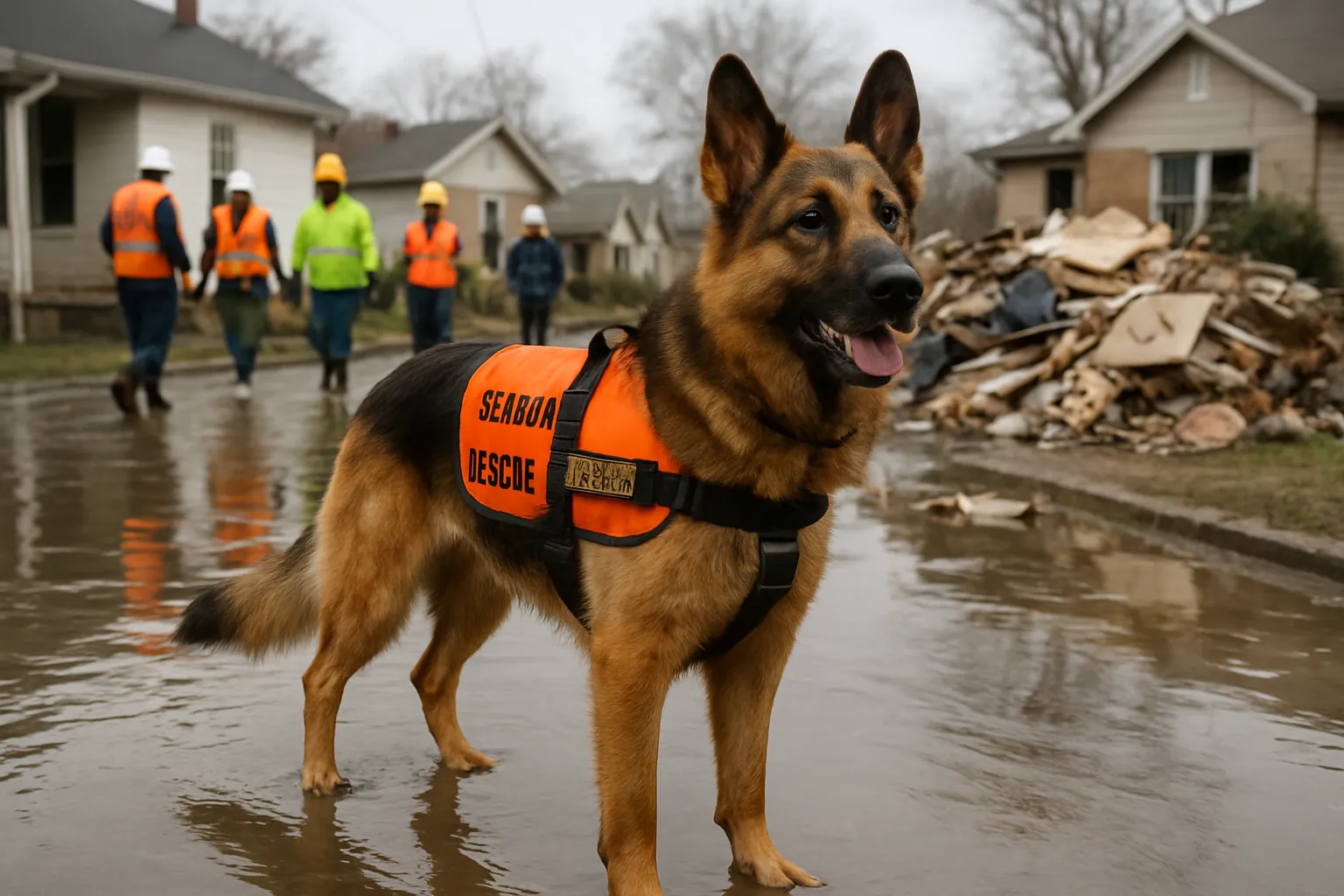
It didn’t take long for help to arrive from distant corners of the nation. Four elite canine search teams from the North Carolina State Bureau of Investigation (SBI) boarded early flights from Asheville and Raleigh-Durham, bound for Kerrville, Texas, while the Los Angeles County Fire Department (LACoFD) deployed specialized K-9 units for an 18-day mission marked by peril and heartbreak. These teams didn’t just search—they bridged hope across state lines. Their heroics, widely praised by local officials and national agencies, underscore the critical need for robust, federally coordinated disaster response in an era of mounting climate emergencies.
Beyond the headlines, the real story lies with the boots—and paws—on the ground. The teams navigated collapsed buildings, powerful currents, and temperatures so extreme that the heat index hovered between 100 and 110 degrees, the byproduct of a suffocating heat dome blanketing much of the South. In such conditions, danger was omnipresent—not just for survivors or the missing, but for the searchers themselves.
Real Risks, Real Heroes: The Human and Canine Toll
Amid the chaos, stories of courage cut through the devastation. K9 Prentiss of North Carolina faced a life-threatening medical emergency during the deployment, requiring an emergency surgery that reminded everyone just how high the stakes are for every responder, human and animal alike. The love and commitment these teams show isn’t just professional—it’s deeply personal. Every search, every hour spent scouring debris under a punishing sun, is fueled by an ethos of service above self.
Facing down hazardous landscapes and merciless heat, K-9 teams from California and North Carolina went beyond duty, propelled by a sense of national kinship. Los Angeles County Fire Chief Anthony Marrone, upon his team’s return, reflected on the magnitude of what these responders endured and the reverberating trauma among the local Texas communities: “Our first responders repeatedly place themselves in harm’s way not just for their own cities, but for neighbors around the country. We stand in solidarity with Texas and send our prayers to everyone affected.”
What motivates such extraordinary action? For SBI Director Chip Hawley, the answer is clear—shared experience. Recalling hurricanes that battered North Carolina in years past, Hawley said: “Now it’s our time to step up and help them out. It’s the right thing to do.” This ethos is what binds the fractured nation together when disaster strikes. Yet, it also highlights inequities in preparedness and the urgent need for a more comprehensive, national approach to climate disaster management—one less reliant purely on goodwill, more anchored in strategy and resources.
“Every search, every hour spent scouring debris under a punishing sun, is fueled by an ethos of service above self.”
A closer look reveals that mutual aid, though inspiring, often exposes deeper cracks in the American disaster response framework. When one state falls to calamity, a patchwork of heroism fills the vacuum, but it’s no substitute for coordinated federal action. The rising tide of extreme weather events renders traditional, reactive models of response dangerously obsolete. Experts like Dr. Samantha Porter, a disaster studies professor at UT Austin, argue, “We cannot keep relying on the extraordinary to compensate for the lack of an ordinary, well-funded emergency response system.”
Lessons and Imperatives: Toward a More Just Recovery
As the climate crisis deepens, disasters like the Texas floods are poised to become less rare and more relentless. Rescuers—whether from North Carolina, California, or the hard-hit communities of Texas—demonstrate what America can be at its best: generous, empathetic, and ready to sacrifice for the greater good. Yet, too often, conservative policymakers prioritize austerity, under-funding disaster preparedness while championing deregulation that leaves communities more vulnerable. According to the U.S. Government Accountability Office, every dollar invested in mitigation saves six dollars during recovery—a fact frequently ignored in short-sighted budget debates.
Contrast this reality with the suffering seen in Kerrville, where dozens of families remain in anguished uncertainty, awaiting news amid the wreckage. Is it just to depend on the luck of outside help when entire communities face existential threats? Or should Washington finally recognize that environmental catastrophe demands bold, collective action—climate-resilient infrastructure, full funding for emergency services, and protections for the vulnerable?
Lives depend on these choices. The example set by K-9 teams and their handlers shines a spotlight on what’s possible when empathy and competence drive the response. But their heroism shouldn’t have to stand in for robust policy. As we honor their contribution, we must also push for policy shifts that uphold real security for all communities—regardless of geography or political winds.
Progressive values—equality, social responsibility, and environmental stewardship—must guide the nation’s hand, lest heroism become the last line of defense against tragedy. The disasters will keep coming. The only question left: Will we rise to meet them with courage and foresight, or settle for headlines that merely praise bravery while ignoring preventable loss?
