
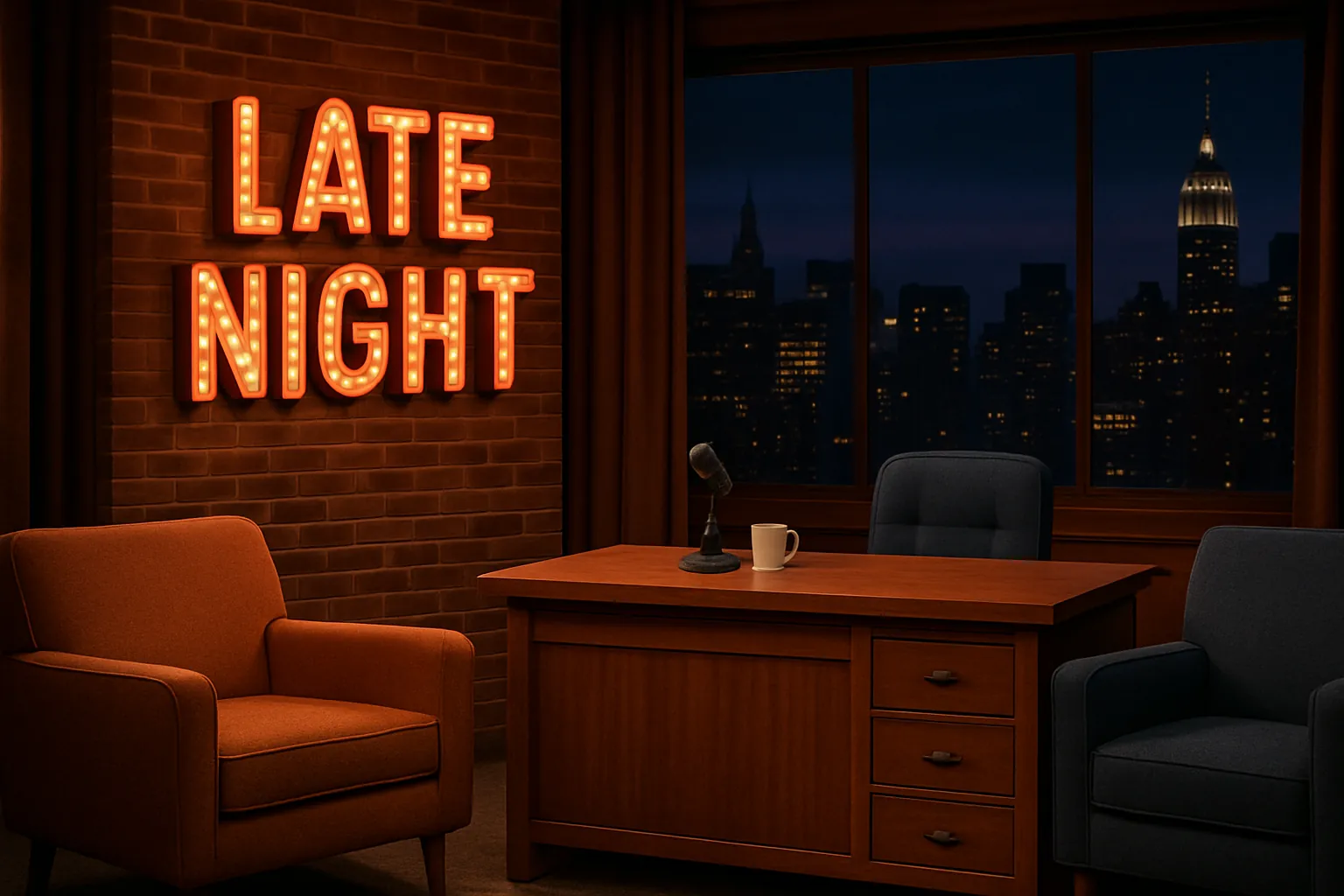
The Changing Face of Late-Night—and Its Audience
When television audiences across the nation tuned in to “The Tonight Show” during Jay Leno’s era, they expected sharp wit, celebrity interviews, and a light-hearted break from the headlines. Leno, who reigned for nearly a quarter-century, recently sounded the alarm on what he sees as a troubling transformation in late-night TV. Speaking with David Trulio, president and CEO of the Ronald Reagan Presidential Foundation and Institute, Leno drew a sharp comparison between his approach and that of today’s hosts. He suggests that modern comedy, once a unifying escape, has become a partisan battleground that alienates half the audience.
Leno recounted how he would receive hate mail from both Republicans and Democrats over the same joke—a badge, in his view, of inclusive comedy. He also recalled mentorship from his friend Rodney Dangerfield, who urged him to get quickly to the punchline. “Comedy is about economy and surprise,” Leno insisted. The point, he argued, was never to lecture or divide, but to connect—even if sometimes that connection meant risking offense on both sides of the aisle.
Fast forward to today, and late-night lineups look strikingly different. Hosts like Stephen Colbert, John Oliver, and Seth Meyers are praised—and criticized—for their incisive critiques of Donald Trump and the MAGA movement. But at what cost? The recent cancellation of “The Late Show with Stephen Colbert” adds urgency to Leno’s critique that by “cozying up to one side,” comics risk sidelining swathes of the American public.
Political Satire or Political Preaching?
Here lies the heart of Leno’s critique: when the monologue turns into a manifesto, does comedy lose its bite? For Leno, the late-night stage was sacred ground, a place where both Democrats and Republicans were fair game. “I always thought that if you got hate mail from both sides, you were doing your job,” he told Trulio. But today, he warns, too many hosts choose to play to only half the room, alienating millions of would-be viewers.
The financial fallout is real. CBS, now under the broader umbrella of Paramount, made waves not just for Colbert’s cancellation, but for a $16 million settlement to Donald Trump tied to a contentious 2024 interview dispute. Lawmakers have called out the payment as potential bribery, raising uncomfortable questions about corporate backing and editorial independence on network TV. Hidden in the headlines are fears that political pressure, not audience preference, is driving programming decisions.
Industry insiders rush to defend Colbert. David Letterman called his ouster “an act of cowardice.” Other hosts, including Jon Stewart, Jimmy Fallon, and John Oliver, have publicly lamented the decision, framing it as a loss for free-wheeling satire. Critics, however, point to dropping ratings among traditional late-night audiences and warn that relentless partisanship is to blame.
Harvard media scholar Emily Nussbaum notes, “As American politics have polarized, so too has the late-night format. Hosts who lean into resistance mode find passionate, younger viewers—but risk losing cultural relevance with everyone else.”
“Comedy should unite people with laughter, not drive them apart through politics. The best joke is the one that lands on everyone—no matter what party they belong to.” — Jay Leno
Is it possible for late-night satire to adapt to this fractured landscape? Or does the trend toward “preaching to the choir” spell the end of mainstream political comedy as Americans once knew it?
A Search for Common Ground in Difficult Times
Across the nation, Americans report feeling exhausted by nonstop political culture wars. According to a 2023 Pew Research study, nearly 60% of adults say they “often” or “sometimes” try to avoid the news, citing fatigue and a sense of hopelessness. In that environment, the power of comedy as a unifier is more vital than ever. Leno’s approach—equal opportunity teasing, deftly avoiding dogmatic rants—resonated with viewers who craved relief over rhetoric.
Why has the tone of late-night changed? Part of the answer lies in demographics and technology. Digital media has splintered audiences, rewarding hosts who cater to intensely loyal niches rather than broad viewerships. Outlets like Fox News and MSNBC have found financial and cultural success by tapping into tribal loyalties. Late-night television appears to have followed suit, leaning into one-sided barbs that thrill base viewers but leave others feeling shut out of the joke.
A closer look reveals that this divide didn’t happen overnight. Johnny Carson, the gold standard of late-night, famously kept his politics shrouded in mystery, focusing instead on universal gags. Leno inherited that mantle of moderation, at a time when Americans could still share a laugh across ideological lines.
Yet, the 2016 election and its aftermath represented a seismic shift. As public trust in institutions plummeted and social media enabled everyone with a microphone, late-night hosts took up the banner of activism. That spirit galvanized fans but made it easier to lose the middle—and the magic of surprise that comes with never quite knowing which target is next in the crosshairs.
Beyond that, what’s lost is not just viewership, but a sense of collective experience. When comedy becomes a cudgel, it ceases to be a safety valve for democracy. The best satire, after all, is a mirror held up to everyone—a momentary reminder of our shared absurdity, not our bitter divides.
Where Does Late Night Go From Here?
History offers hope. Comedy has always adapted to social tides, finding new ways to bridge differences even during times of upheaval. If anything, Leno’s critique is less about nostalgia and more of a challenge to the next generation of comics: can you tell a joke that brings the room together, rather than leaving half the crowd in the cold?
Expert voices agree the stakes are high. Former SNL writer and author Nell Scovell observes, “Political humor, when done right, creates catharsis. But when it becomes sermonizing, it’s just more noise in an already overwhelming world.”
Perhaps the answer is not to abandon political humor—but to wield it with equal audacity against all sides. The audience—exhausted, diverse, hopeful—deserves at least that much. Leno’s legacy, and the future of late-night, hang in the balance.
