
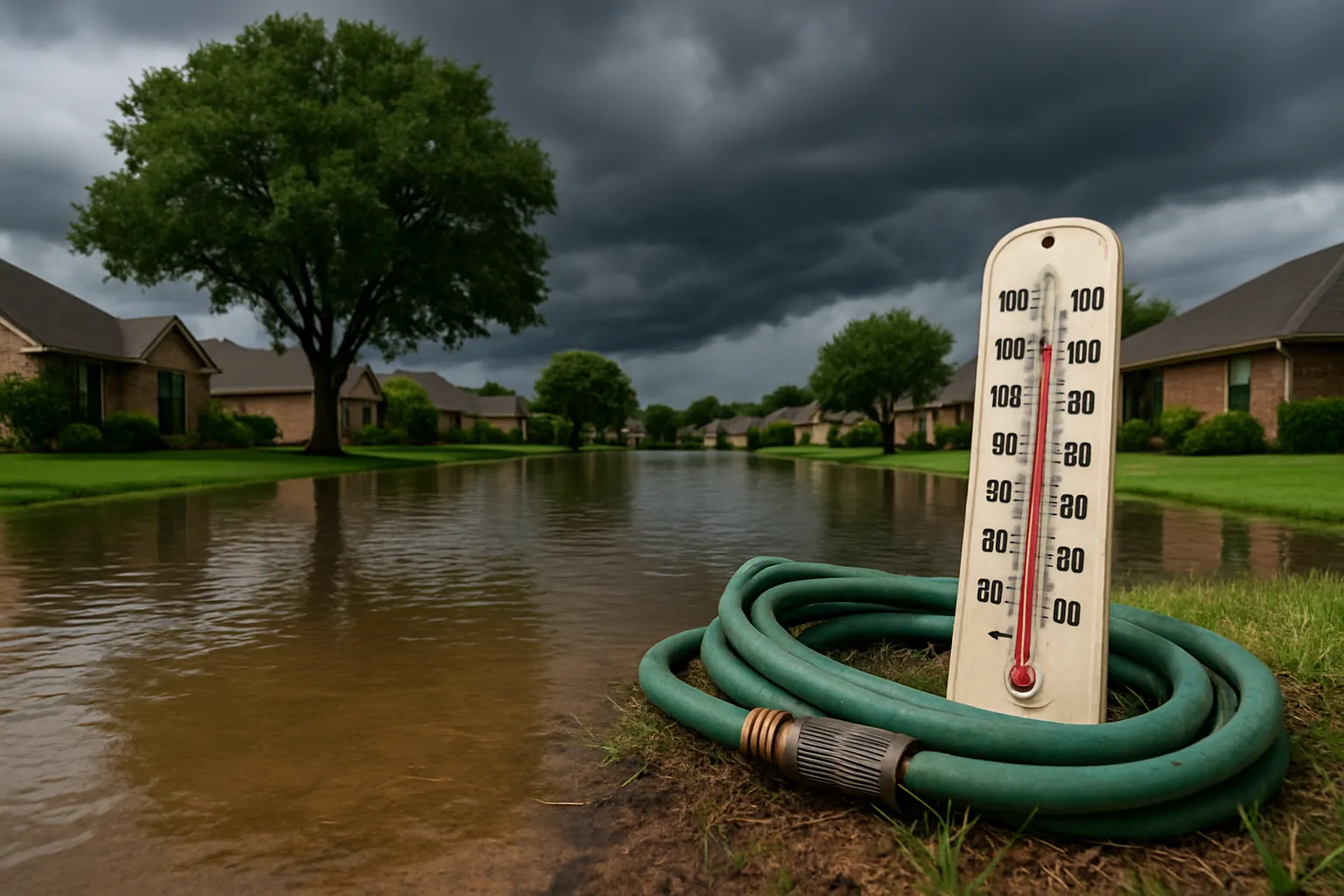
Severe Storms and Sudden Floods: America’s New Normal?
Picture this: you step out to grab groceries, only to find the Kroger parking lot on East Main Street submerged, water lapping against car doors. This was the stark reality faced by residents in Lancaster, Ohio, where flash flooding tore through neighborhoods and businesses this Sunday. Meanwhile, communities from rural Otero County, New Mexico, to Siskiyou County, Oregon, grappled with fast-rising waters and emergency evacuation warnings. Is this just bad weather, or are we glimpsing a more perilous pattern sweeping the nation?
The past weekend made one thing crystal clear—no corner of America is immune from the mounting havoc of extreme weather. According to the National Weather Service (NWS), storms dumped as much as three inches of rain in a matter of hours over parts of Oregon and Ohio. In Lancaster, floodwaters crept into homes and businesses; rescue teams even had to save dogs from a swamped daycare. Authorities in New Mexico tallied two inches—and counting—in the rugged terrain of Otero County. Each warning, each rescue, brings a new urgency to a debate about preparedness, infrastructure, and climate resilience.
Beyond the Flood: The Heat Looms
Even as waters receded in some areas, another hazard moved in—dangerous heat advisories gripped communities south of Columbus and throughout southeast Ohio. On Monday, temperatures soared, with heat indices projected to hit triple digits. The threat isn’t theoretical; heat waves claim more American lives annually than floods, hurricanes, or tornadoes, according to the Centers for Disease Control and Prevention. For vulnerable populations—seniors, outdoor workers, children—the risks turn deadly quick.
It isn’t just the extreme numbers on the thermometer that should worry us. Emergency management officials warn that the combination of flooding and blistering heat creates a compounding crisis: power outages can leave households sweltering without relief, while ongoing repairs tie up local resources and fray community resilience.
One resident from Pickerington, Ohio, described the dread of checking basement sump pumps and weather alerts in the same breath as arranging childcare for heat-related school closures. “Every season used to bring something to look forward to. Now, it’s just a worry about what’s next.”
“Six inches of moving water can knock you off your feet, and most flood deaths happen in vehicles. But when extreme heat follows floods, our choices shrink—find shelter, or face the risk.” — National Weather Service warning
Expert Warnings and Policy Blind Spots
When meteorologists ring the alarm with flash flood and heat warnings, they aren’t just safeguarding lives—they’re exposing underlying policy gaps. Conservative approaches that downplay climate risks or underfund infrastructure leave communities more exposed every season. Harvard climate scientist Dr. Alicia Martinez emphasizes, “We are seeing a clear uptick in back-to-back extreme weather events—flooding one day, record heat the next. That’s the fingerprint of climate change, but also of systemic neglect in updating our infrastructure.”
For decades, conservative policymakers in many states pushed back on environmental spending, dismissing recommendations for upgraded stormwater systems and heat shelters as unnecessary or ‘big government overreach.’ The consequences are now rolling in with every summer storm. In a 2022 Pew Research study, fewer than half of local officials in affected counties reported having robust flood mitigation or heat emergency plans; many cited budget constraints or low prioritization by leadership.
Climate change is not debating with us. It isn’t waiting for slow-moving commissions or ideological stalemates. It’s putting our vulnerable neighbors—children, the elderly, working class families—directly in the crosshairs.
Community Courage and a Call to Action
Americans are not passive victims. Beyond harrowing headlines, real acts of solidarity emerge: volunteers sandbagging low-lying homes in rural Oregon, emergency workers risking their safety to rescue pets and people in battered towns, neighbors checking on the homebound during sweltering afternoons. These moments of unity offer hope and a blueprint for what’s needed at the policy level: investments in early warning systems, green infrastructure, and robust public health responses.
But hope alone won’t protect against the next storm. What would a progressive, people-centered response look like? Start with prioritizing science-backed climate adaptation—stormwater upgrades, community cooling centers, programs that target aid to those hit hardest by disaster. Federal investments in the Bipartisan Infrastructure Law are a start, yet implementation can falter if local and state leaders don’t match that vision with urgency and equity. Ohio’s patchwork readiness—where wealthier suburbs are better shielded than rural or minority communities—underscores a persistent inequity that demands bold correction.
The National Weather Service’s blunt warnings—to avoid flooded roads, evacuate when advised, heed heat advisories—are only as effective as our ability to act on them. Yet, systemic underinvestment in both climate science and local emergency response threatens every American family, regardless of politics. As climate-driven weather extremes become our new normal, the foundational question emerges: Who gets protected, and who’s left to weather the storm alone?
It’s a test of values as much as disaster readiness. Will we demand leaders who respect the science, fund our shared safety nets, and ensure resilience is a right—not a privilege? The next flash flood or heatwave isn’t a matter of if, but when. Our response, today, shapes whether tomorrow’s headlines are tragedy or testament to collective care.
