
Unmasking a Digital Trail: From Shenzhen Factories to Ukrainian Skies
Before the dust settled on a recently downed Russian Gerbera drone in Ukraine, investigators uncovered something more chilling than shattered carbon fiber or spent electronics. Within the device’s onboard memory sat a test video—a seemingly mundane factory camera check, except it bore the unmistakable hallmarks of Shenzhen, China. The Viewpro A40 camera, with its sharp AI-driven functions and $2,999 price tag, was captured tracking cars on unnamed city roads. Investigators from CyberBoroshno meticulously analyzed the footage, using both Google and Baidu Maps to confirm that the video originated in the Aotexing Science Park, in the heart of Shenzhen’s Nanshan District.
This digital breadcrumb—an accidental confession—confirms what many in the West have feared: Chinese-made technology is winding up on the front lines of Russia’s war against Ukraine. It’s a finding that not only exposes the span of global supply chains but also the impotence of international sanctions designed to stymie Russia’s war machinery. A closer look reveals the troubling, if not outright damning, cross-border dance of components and cash fueling the ongoing conflict.
The Hidden Cost of Dual-Use Goods: Sanctions, Shell Companies, and Unchecked Trade
Take a step back and consider the promise made by Beijing: official neutrality in the Russia-Ukraine conflict. The World watches as Chinese diplomats reiterate their position at virtually every international forum, insisting on peace without “taking sides.” Yet, the facts speak louder than diplomatic platitudes. The evidence locked inside the Gerbera drone’s electronic brain demonstrates not just a single breach, but a significant gap in the enforcement of laws intended to separate commercial tech from military use.
Russia, boxed in by Western sanctions, has adapted with ruthless ingenuity—leveraging Hong Kong’s bustling financial channels and a sprawling network of shell companies to import vital chips, sensors, and other components. According to detailed tracking by the Royal United Services Institute (RUSI), more than $4 billion worth of semiconductors and precision electronics slipped through this loophole over the past two years, bolstering the Kremlin’s ability to wage war. As Harvard economist Samantha Power notes, “Sanctions without enforcement are little more than hope masquerading as policy.”
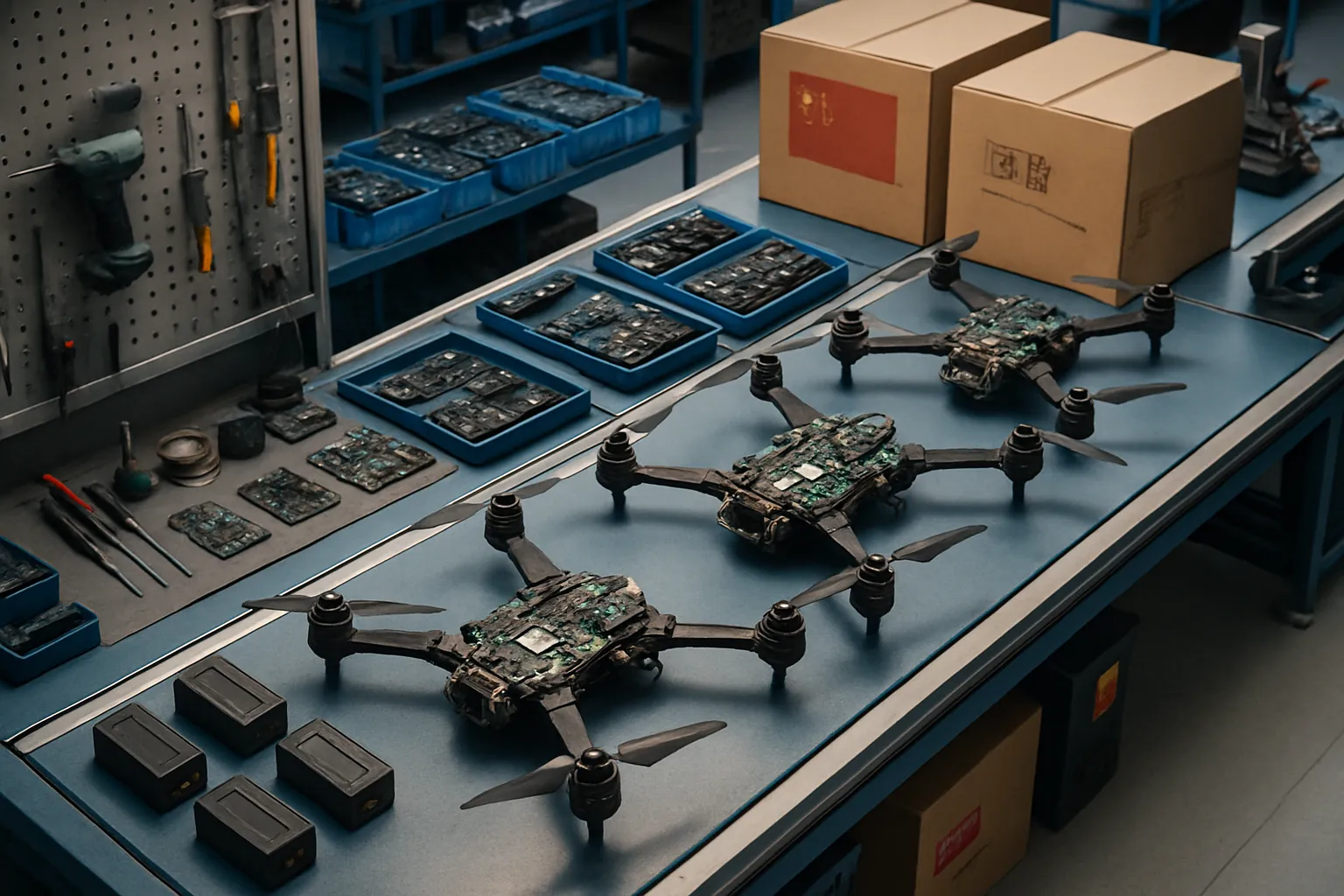
Gerbera drones were once cheap decoys, used to distract air defenses. Now, equipped with advanced Viewpro A40 cameras—boasting 40x optical zoom, AI-powered object tracking, and metadata output—they qualify as low-cost, high-impact reconnaissance and targeting machines. With AI detection and 360-degree vision literally stitched into Russia’s battlefield tactics, it’s clear the lines between civilian and military tech have dissolved.
“So-called ‘dual-use’ commercial products are fast becoming the most lethal contraband in modern warfare. When a Shenzhen gimbal or AI camera reaches a drone over Ukraine, no amount of plausible deniability will erase the manufacturing barcode.”
Expert voices like Ukraine’s former defense minister Andrii Zahorodniuk warn that, until loopholes are closed and companies truly scrutinize end-users, these patterns will persist—expanding the geographic and moral scope of the war.
The Ethics and Accountability of Globalization
What responsibility, then, does the world share when battlefield innovation is so easily sourced from commercial factories abroad? This isn’t just about a loophole; it’s about a fundamental failure of global oversight. China’s role, whether passive, willfully blind, or complicit, tarnishes its claims of neutrality.
By clinging to the pretense that all exports are for peaceful ends, Beijing invites skepticism and international scrutiny. The West too bears responsibility. The current regime of controls and compliance—designed decades ago for a much simpler world—proves inadequate against today’s shadowy networks and rapid tech innovation. As experts at the Center for a New American Security (CNAS) point out, “The real threat is how weaponization of commercial supply chains turns economic partnership into strategic vulnerability.”
Lest anyone believe the impact is academic, Ukraine’s battered civilian infrastructure tells a different story. Drones rebuilt with imported parts have targeted power grids, grain silos, apartment blocks—turning what were once catalog items for industrial and agricultural use into engines of destruction. A Ukrainian commander, speaking on background, lamented, “We fight not only Russian soldiers, but the apathy of bureaucrats who look the other way when invoices cross borders.”
Beyond that, history reminds us that naive faith in markets and self-regulation rarely prevents tragedy. Consider the Cold War, where a single microchip or valve might be subject to months of international debate. Today, thousands of dual-use items pass unnoticed every week.
Toward a Transparent and Accountable Future
Is it possible to untangle this mess of transnational supply and demand? It will require a radical updating of norms, tools, and expectations. Policymakers must demand end-user certification and stronger vetting of third-party sales. Multinational corporations—especially those based in authoritarian economies—should be required to disclose far more about where and how their products reach sensitive regions.
For progressives and those who value global community and peace, the imperative is clear; tolerance of ambiguity only enables the next atrocity. The world cannot afford to ignore how commercial innovation seeps into the arsenal of autocrats. To stem this tide, it’s time to close loopholes, shine persistent light on quiet supply-chain deals, and embrace true accountability over empty promises.
