
A Golden Glow Amid Rising Uncertainty
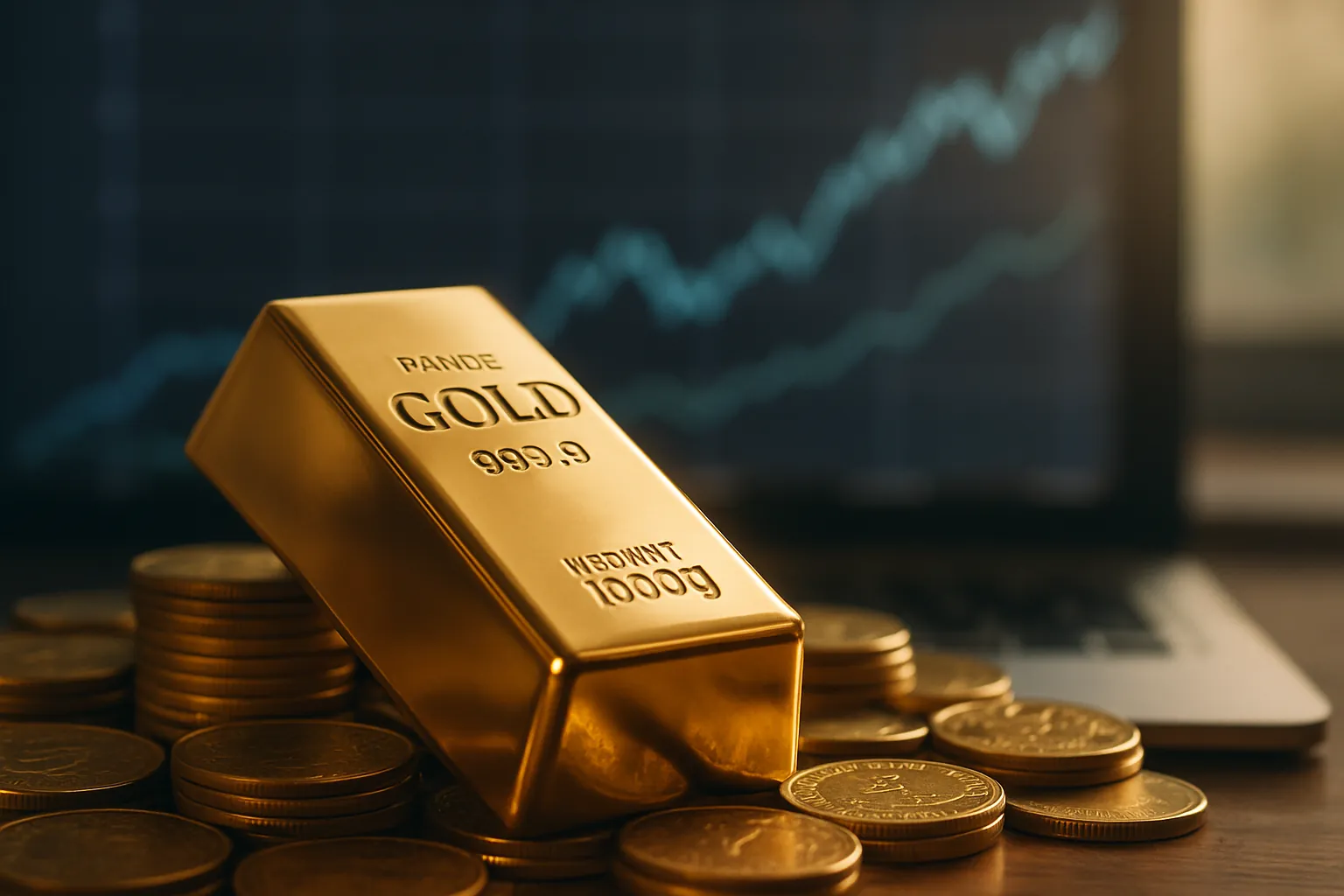
Few commodities evoke confidence and stability quite like gold, the age-old refuge in times of turmoil. This week, gold prices soared yet again—the seventh consecutive weekly gain—vaulting near record highs and underscoring a wave of global financial unease. Spot gold hovered around $3,850 per ounce, with market sentiment ablaze over an unprecedented 47% year-to-date surge.
A closer look reveals that the latest rally isn’t simply a story of bullish investors chasing profits. Instead, it’s a reaction to two seismic forces pounding the U.S. financial landscape: a looming government shutdown in Washington and widespread bets on imminent Federal Reserve interest rate cuts. Both have fueled a renewed hunger for gold as a safe-haven asset during choppy political and economic waters. According to the CME FedWatch Tool, traders now see a near certainty of a 25 basis-point interest rate cut at the Fed’s next meeting—a dramatic shift from the hawkish stance just months ago.
The shutdown, now dragging into its second day, has already delayed key economic data releases such as the non-farm payrolls report, adding another unpredictable twist for anxious markets. As history so often shows, fiscal dysfunction in Washington doesn’t just grind the gears of government—it rattles the very foundations of global financial confidence. “Investors are acutely aware that Washington’s political brinkmanship can ricochet across the world economy,” says Harvard economist Laura Tisdale, referencing 2011’s debt ceiling crisis that sent gold surging in similar fashion.
Safe Haven Appeal Intensifies
Who benefits when consensus collapses? The answer, as ever, is those holding robust, time-tested assets. Gold’s latest ascent is mirrored by a surge in physical demand: The Perth Mint, one of the world’s premier bullion producers, reported a 21% spike in gold product sales during September. Silver sales have jumped to a five-month high, further reflecting the nervousness embedded deep within both retail and institutional investor bases.
Gold futures—contracts promising delivery months ahead—also tell a story of persistent confidence in the metal. U.S. gold futures for December delivery have quietly notched up gains between 0.2% and 0.4%, according to market data. The unwavering appeal is clear: as the monetary policy outlook swings toward easing, non-yielding assets like gold gain luster.
Beyond headline numbers, central bankers themselves reveal a fraught calculus. Dallas Federal Reserve President Lorie Logan recently expressed caution about further rate cuts, despite acknowledging that the previous reduction aimed to shield the labor market from wider shocks. This “nuanced stance” reflects deep divisions at the Fed—caught between taming inflation and preventing a potential recession triggered by government paralysis.
“History instructs us that political stagnation and fiscal showdowns don’t just disrupt Washington—they reverberate through global markets, inflame volatility, and erode trust in the dollar.”
Gold’s enduring value as a store of wealth exposes the fragility of the systems meant to keep economies steady. Whenever U.S. fiscal politics flirt with disaster, the message sent to global investors is troublingly clear: faith in reliable governance has real economic consequences. Pew Research polling finds that more Americans now cite government dysfunction as a chief economic risk than at any point since the 2008 financial crisis—a sobering testament to the erosion of institutional trust under repeated shutdown threats.
Local Ripples and the Risk of Pullback
This isn’t just a Wall Street spectacle. Zooming out to the world’s gold-hungry markets, you’ll find a similar narrative. In India—the globe’s largest consumer—gold prices have remained remarkably steady, buoyed by a weakening rupee and global price pressures. Retail buyers in Mumbai and Delhi see everyday proof of these macro trends, as local currency fluctuations and taxes alter the calculus of when—and whether—to buy.
Yet, as with all rallying assets, there are warning signs beneath the glittering surface. Gold’s rapid ascent has left it overbought by several technical measures. Seasoned market strategists warn of looming corrections: “When assets surge this quickly, you must ask whether speculative fervor is outpacing real-world risk,” cautions Citi commodities analyst Meera Patel. The lesson is not new—2012’s gold correction wiped out double-digit gains practically overnight once political winds shifted.
On the supply side, this bull run is also changing behavior. Mints and refineries are churning out bars at full tilt. Meanwhile, silver, platinum, and even palladium have followed gold’s path, notching notable price gains as investors diversify beyond currency-linked, yield-bearing instruments.
This wave of gold fever is more than a blip—it’s a referendum on dysfunctional governance and policy indecision. What’s striking is not just how high gold has climbed, but the depth of pessimism beneath. Safe-haven demand doesn’t fill news cycles in times of public confidence; it fills them when voters and investors collectively fear that institutions aren’t up to the challenge.
Pushing for Stability: The Progressive Imperative
Taken together, these dynamics beg urgent questions. Is the U.S. committed to learning from its own past? Conservative policymakers continue to treat budget showdowns as bargaining chips—often to the detriment of everyday Americans and the global economy. That government paralysis can ripple into job insecurity, rising borrowing costs, and declining faith in democratic norms shouldn’t be news at this point. Yet here we are: staring down another manufactured crisis that corrodes collective well-being for political gain.
Progressive voices argue that prioritizing steady governance and transparent economic stewardship isn’t just a slogan—it’s the invisible scaffolding supporting prosperity for Main Street and Wall Street alike. If the alternative is endless brinkmanship, no one should be surprised that people reach for the certainty of gold. Harvard’s Tisdale cautions: “Sustainable economic confidence won’t emerge without reining in performative politics and embracing data-driven policy.”
We are reminded, once again, that stability and equality are never free; they must be fought for, with vigilance and a long memory for the real costs of political dysfunction. The meteoric rise of gold this year is more than a price chart. It’s a signal—a call for renewed responsibility from those elected to govern, lest Americans and their partners abroad be left clutching gold bars in lieu of solid leadership.
