
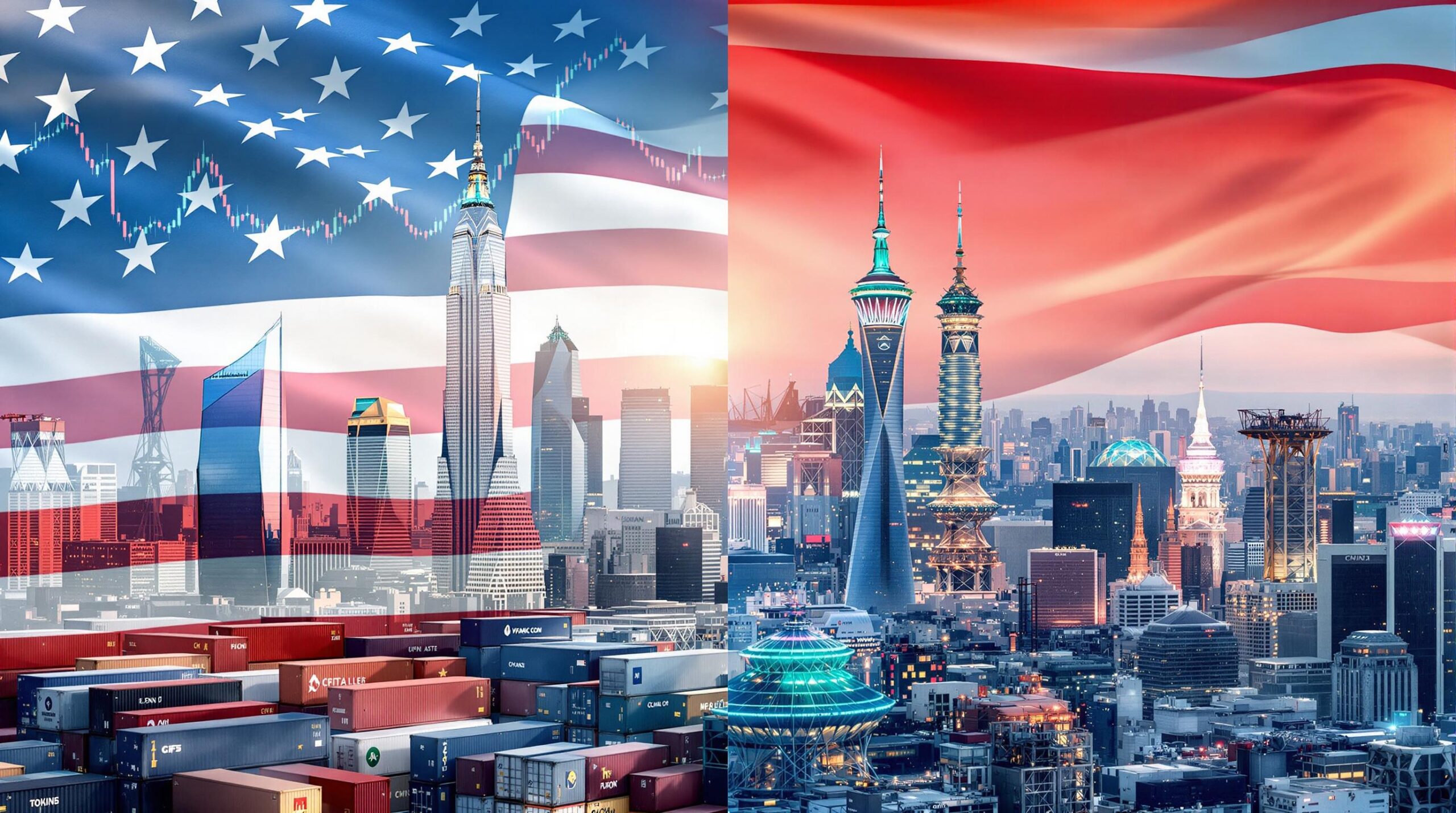
In an era marked by escalating geopolitical tensions and complex economic landscapes, China’s Vice Premier He Lifeng reached out to leading global corporations in a bold move to solidify confidence in China’s business potential. This strategic outreach to executives from tech titan Apple, pharmaceutical heavyweights Pfizer and Eli Lilly, industry giant Cargill, as well as Mastercard and Medtronic, signals China’s focus on reassuring international businesses and mitigating the impacts of ongoing trade disputes and economic uncertainties.
A Strategic Outreach Amidst Trade Tensions
In spite of escalating U.S. tariffs and rising protectionist sentiments, China continues to promote itself as an attractive market for multinational corporations. Vice Premier He Lifeng’s key message during his meeting at the China Development Forum was crystal clear: China remains a vibrant, opportunity-rich environment eager for foreign investment. Recognizing the critical role these corporations play in China’s economic well-being, Vice Premier He emphasized the government’s ongoing efforts to enhance the business climate, bolster domestic consumption, and mitigate tariff-related disruptions.
Indeed, American companies, despite facing considerable political pressures, comprised the largest group of attendees at the forum. However, it is worth noting that overall CEO attendance from American firms was markedly lower this year—a sign of increased caution among U.S. businesses. This cautious engagement reflects concerns over the Trump-era 20% tariff imposition on Chinese goods, which the Biden administration continues to navigate against a backdrop of heightened economic nationalism.
Echoes of the Cold War and Its Economic Lessons
President Xi Jinping recently expressed concern about economic isolation reminiscent of the Cold War era, referencing the significant strain between the U.S. and the then-Soviet Union. This historical comparison underscores a profound apprehension that excessive geopolitical hostilities could economically isolate China, negatively impacting its growth trajectory.
Yet, unlike the Soviet Union, China maintains substantial technological advancements, particularly in fields such as artificial intelligence and robotics. Renowned investor Ray Dalio underscored this crucial distinction, emphasizing China’s robust technology sector as a cornerstone of its economic vitality. Through strategic infrastructure investments, digital advancements, and the integration of AI, China not only positions itself as resilient in the face of economic isolation but continues to attract substantial foreign investments crucial to technology and innovation sectors.
“China’s technological lead in areas like AI and robotics provides resilience against economic uncertainty. It is not merely surviving these tensions but actively thriving,” explained Dalio, highlighting the unique strengths of China’s economy.
China’s Appeal Beyond Geopolitical Borders
Perhaps one of the most telling signs of confidence came from the executives themselves. The presence of senior leaders from Apple, Cargill, and major healthcare companies indicates a persistent belief in China’s economic potential despite the turbulence. Their participation symbolizes corporate recognition that China remains indispensable—from technology and manufacturing to health and agriculture—integral to global supply chains and consumer markets.
Crucially, amidst this forum of multinational executives, Chinese Premier Li Qiang advocated for open markets as a collective means to combat global uncertainty. This advocacy highlights China’s attempt to position itself as a beacon of global economic openness and cooperation, an appealing proposition in contrast to what many perceive as an increasing wave of isolationist policies emerging around the globe.
Facing the challenges of tariffs, trade uncertainties, and emerging rivalries, multinational firms remain keenly aware of China’s economic magnetism. Yet they are equally cautious, wary of international complications and unpredictable policy swings. This carefully calibrated response illustrates the complex reality global corporations face as they navigate between burgeoning opportunities and political minefields.
In conclusion, China’s move signifies an acknowledgment: although global politics remain strained, the fundamentals of international commerce endure, driven by mutual benefits and collaboration. Vice Premier He Lifeng’s meeting conveys confidence but also an implicit plea—urging U.S. and global firms to prioritize long-term economic rationale over short-term political pressures.
Ultimately, how businesses respond will likely not only shape their own futures but influence geopolitical relations profoundly, illustrating once again how deeply intertwined our global economy remains despite escalating political rhetoric and tensions.
