
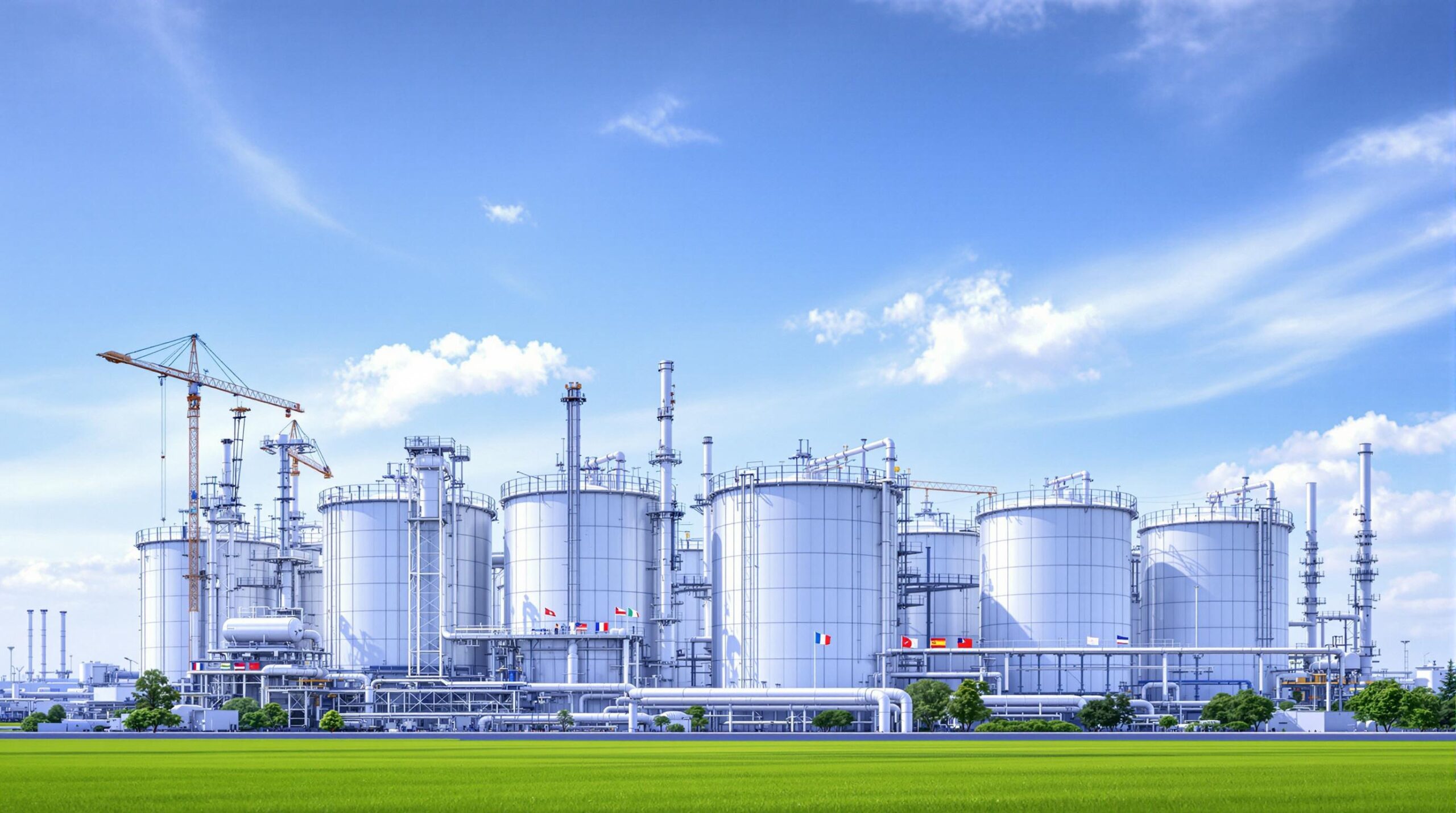
In a notable energy development, U.S. liquefied natural gas (LNG) producer Delfin Midstream and Germany’s SEFE Securing Energy for Europe have sealed a significant long-term deal. Under this agreement, Delfin will provide SEFE with 1.5 million tonnes of LNG annually, for at least the next 15 years. This strategic move, involving floating LNG (FLNG) units positioned off the shores of Louisiana, aims not only at enhancing energy independence but significantly strengthening Europe’s supply chain in the wake of ongoing global tensions.
A Robust Step Towards Energy Independence and Security
As the geopolitical landscape remains complex, the signing of this deal highlights a vital shift towards enhancing Europe’s ability to secure diverse and stable energy sources. The agreement, notably anchored around Delfin’s ambitious offshore LNG project near Cameron, Louisiana, underscores the potential of floating liquefaction facilities to respond swiftly and flexibly to market demands.
Delfin Midstream’s visionary project, involving up to three floating units with a combined output capacity of approximately 13 million tonnes per annum, is a compelling demonstration of technological innovation’s role in the contemporary energy market. The scalability of these installations offers an agile response mechanism to fluctuating global demands and represents a broader trend toward sustainable energy management.
Enhanced Flexibility to Meet Consumer Needs
European consumers are set to benefit immensely from this agreement. SEFE’s Chief Commercial Officer, Frederic Barnaud, emphasized the importance of achieving “greater destination flexibility,” a critical factor in adapting quickly to market fluctuations and geopolitical disruptions. Such flexibility ensures that the diverse energy needs of European customers are continuously and reliably met.
This focus on flexibility has become more important than ever, given recent experiences with global supply chain disruptions and political instability. It confirms Europe’s strategic intent to diversify away from traditional suppliers like Russia, whose energy influence has historically been leveraged for political ends, most glaringly evident during the 2022 invasion of Ukraine. An increasingly diversified energy portfolio is therefore a necessary move toward long-term energy stability and independence.
Moreover, Delfin CEO Dudley Poston highlighted this partnership’s strategic role in guaranteeing “reliable low-cost energy from the safety of the United States,” underscoring the implications that geographical and political stability can hold in securing energy networks. This reliability factor cannot be overstated at a time when European nations actively pursue greater autonomy and resilience to geopolitical loopholes and disruptions.
Regulatory Support and an Encouraging Outlook
Notably, this agreement is supported by recent approvals from U.S. regulatory authorities. The extended commencement date for Delfin’s LNG exports, now set for June 1, 2029, demonstrates clear federal backing and offers sufficient time for detailed operational planning. Such regulatory support illustrates a heightened awareness within the U.S. of the strategic importance of LNG exports, especially in the context of geopolitical stability and economic strategy in Europe.
Importantly, it showcases the U.S.’ expanding role as an essential pivot in the global energy market, effectively serving both political and commercial interests by reinforcing alliances and bolstering domestic economic activities. This level of support indicates an encouraging future for the LNG industry, drawing investment interest and potentially leading to further infrastructure and technological advancements in American energy production and export capabilities.
“Reliable low-cost energy from the safety of the United States is crucially important in the current global energy climate.” — Dudley Poston, Delfin CEO
With Europe’s growing demand facilitating a new surge in LNG market optimism, Delfin’s arrangement with SEFE is a reflection of broader market confidence in U.S. energy resources. Increasing export volumes not only serve commercial interests but also strategically position the U.S. as a critical energy partner internationally, providing leverage in both economic and diplomatic arenas.
To contextualize the larger implications of such a deal, it’s useful to recall historical scenarios where energy dependency significantly influenced political decisions. The OPEC-induced energy crisis of the 1970s, for instance, illustrated starkly how energy supplies could translate into direct political leverage. Europe’s overt pivot toward registered suppliers like Delfin Midstream effectively mitigates this political vulnerability, signifying a conscientious approach to energy management profoundly informed by historical experience.
The deal between Delfin Midstream and SEFE, therefore, represents far more than merely commercial exchange: it symbolizes a pragmatic acknowledgment of the need to proactively shape resilient energy strategies.
Europe’s sharpened focus on diversifying its LNG supply chains bolsters regional confidence, helps maintain competitive energy prices, and reduces vulnerabilities to political coercion by historically dominant energy providers. It’s a progressive step forward in aligning energy policy more closely with democratic and economic stability ideals, an essential move as global politics become more unpredictable.
In sum, while the direct beneficiaries of this deal are undoubtedly SEFE and Delfin, the broader implications for Europe and the global community at large are significant. Not only does the deal address Europe’s immediate and future energy needs, but it also sets a progressive template for other regions and industries to follow. Ultimately proffering a vision of a global energy market driven by security, flexibility, and sustainability rather than biased political influence and economic coercion.
