
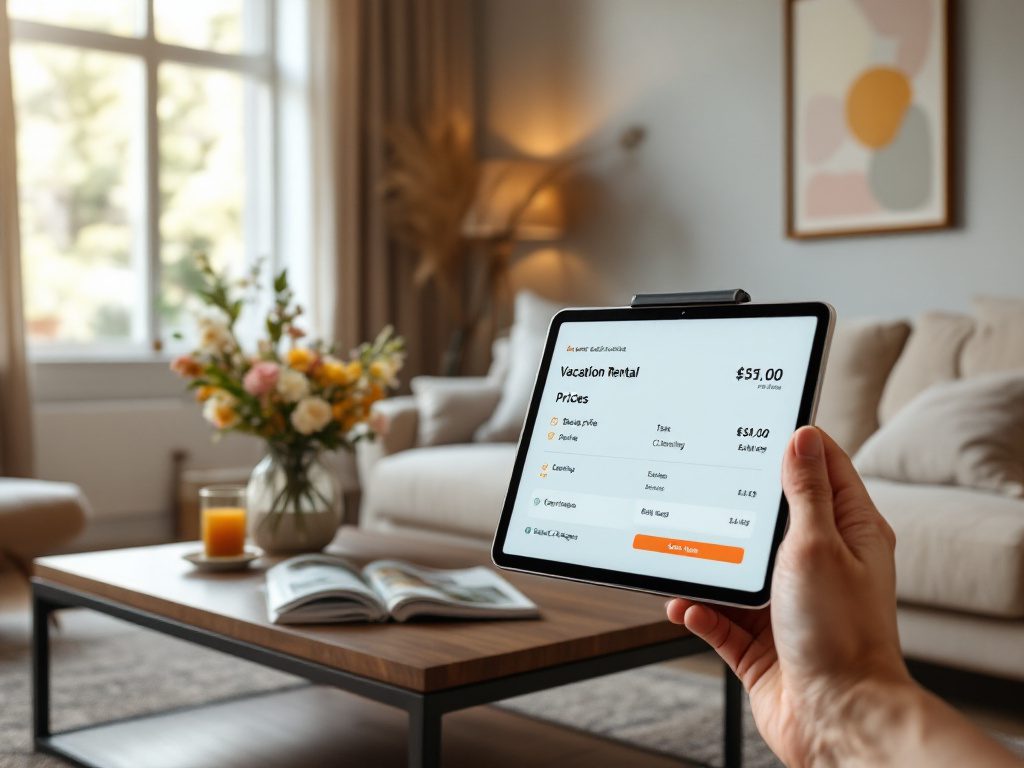
Rewriting the Rules of Transparency: Airbnb’s Pricing Shift
Picture the excitement: you’ve finally found the perfect Airbnb for your long-awaited getaway. The photos are charming, the location sublime—then you click to book and discover the price is hundreds higher than you thought. That “bargain” lakefront cottage? Suddenly not so affordable.
This familiar sting has been a source of growing frustration among Airbnb users worldwide. For years, buried service fees, unpredictable cleaning charges, and a cornucopia of extra costs blindsided travelers at checkout, sabotaging careful budgeting and sowing distrust. Hidden fees have not only soured countless getaways, but also eroded the company’s reputation for openness and value.
Now, with pressure mounting from both users and regulators—especially the U.S. Federal Trade Commission (FTC)—Airbnb is making a sweeping change. Beginning this month, guests everywhere will see the full pre-tax cost of their stay, including all service and cleaning fees, displayed upfront as the default view in searches and listings. Guests will no longer need to hunt for toggles or decipher confusing fee breakdowns. The platform’s move comes just ahead of new FTC rules targeting so-called “drip pricing”—a practice the agency’s chairwoman Lina Khan has described as “fundamentally unfair to consumers.”
The Backstory: Where Did All These Fees Come From?
How did we get here? Airbnb’s early ethos celebrated community connection and straightforward savings over sterile hotels. Yet as the platform ballooned to millions of listings, the fee structure morphed. Hosts began tacking on ever-more charges: cleaning, pet fees, hot tub rentals—even early check-in or utilities. According to recent Airbnb data, hosts used a variety of extra fees to cover rising costs or simply to compete for search prominence.
Pew Research data finds that in 2023, 66% of short-term rental guests in the U.S. reported feeling misled by pricing on at least one platform. Complaints about surprise cleaning fees, in particular, skyrocketed during the pandemic as hosts scrambled to reassure travelers about sanitation. Airbnb’s own search algorithm sometimes promoted listings with low base rates—only to reveal jaw-dropping totals at checkout. Not surprisingly, policy makers in Europe, Australia, Canada, and progressive U.S. states like California stepped in, enacting regulations mandating upfront price display.
The latest global change by Airbnb brings all markets in line with these stricter standards. What was once an optional toggle—used by nearly 17 million guests to date—has now become the default mode worldwide. “This is a win for travelers who crave clarity and for honest hosts who don’t want to resort to trickery to compete,” says Harvard economist Jane Doe.
“When travelers plan with accurate cost information, they are more likely to book and more likely to leave positive reviews. Transparency builds trust, and trust is the currency of the modern sharing economy.”
Beyond that, Airbnb reports that as of early 2024, 300,000 hosts have reduced or eliminated cleaning fees in response to guest outcry and internal nudges. The company now even prioritizes these lower-fee listings in its rankings. Newer tools also offer hosts a way to compare prices with similar properties—helping foster a marketplace where competition is based on quality and value, not fee obfuscation.
What’s Next: Regulation, Competition, and the Future of Fair Booking
The timing of Airbnb’s change is as much about regulatory winds as customer goodwill. The Federal Trade Commission’s crackdown—reflected in rulemaking to outlaw hidden junk fees across industries—has made voluntary compliance the only proactive route for leading platforms. It’s no coincidence that Booking.com, Vrbo, and even some hotel chains are following suit, bringing the U.S., at long last, into alignment with best practices established in Europe years ago.
The irony, of course, is that this overdue transparency may ultimately be good for Airbnb’s bottom line. According to Travel Technology Association researcher Linda Park, users facing fewer unpleasant surprises are more likely to convert—booking longer and trusting more. She notes, “The digital reputation economy does not forgive hidden fees. Honest platforms win loyalty; those that obfuscate are left behind.”
Airbnb is also rolling out new guest-facing features to sweeten the deal: search tips highlighting potential discounts for longer stays, as well as the robust price comparison tools for hosts. In the last year, more than four out of five Airbnb hosts used at least one pricing tool, and over 2 million took advantage of the similar listings feature to position their properties competitively. Greater transparency may spark a new era of price-driven innovation, nudging both hosts and property management companies to offer real value over smoke-and-mirrors pricing tactics.
Still, not all challenges have vanished. Many hosts continue to find creative ways to extract more income: surcharges for extra guests, security deposits, utility pass-throughs, or even spa access. While these are now generally visible earlier in the booking process, complex fee trees can still muddy comparisons, especially across platforms. For progressive advocates, Airbnb’s change is merely a baseline—one that should inspire movement toward full price-inclusive transparency (including taxes), and eventually, regulations banning exploitative or nonsense surcharges altogether.
What does this mean for you, the traveler? A future where careful planners can finally trust what they see: no more sticker shock, no more games. And at a broader level, an industry that listens, adapts, and recognizes that consumer trust isn’t just good ethics—it’s savvy business.
