
The Fallout Reaches Home: Security Tightens Across U.S. Cities
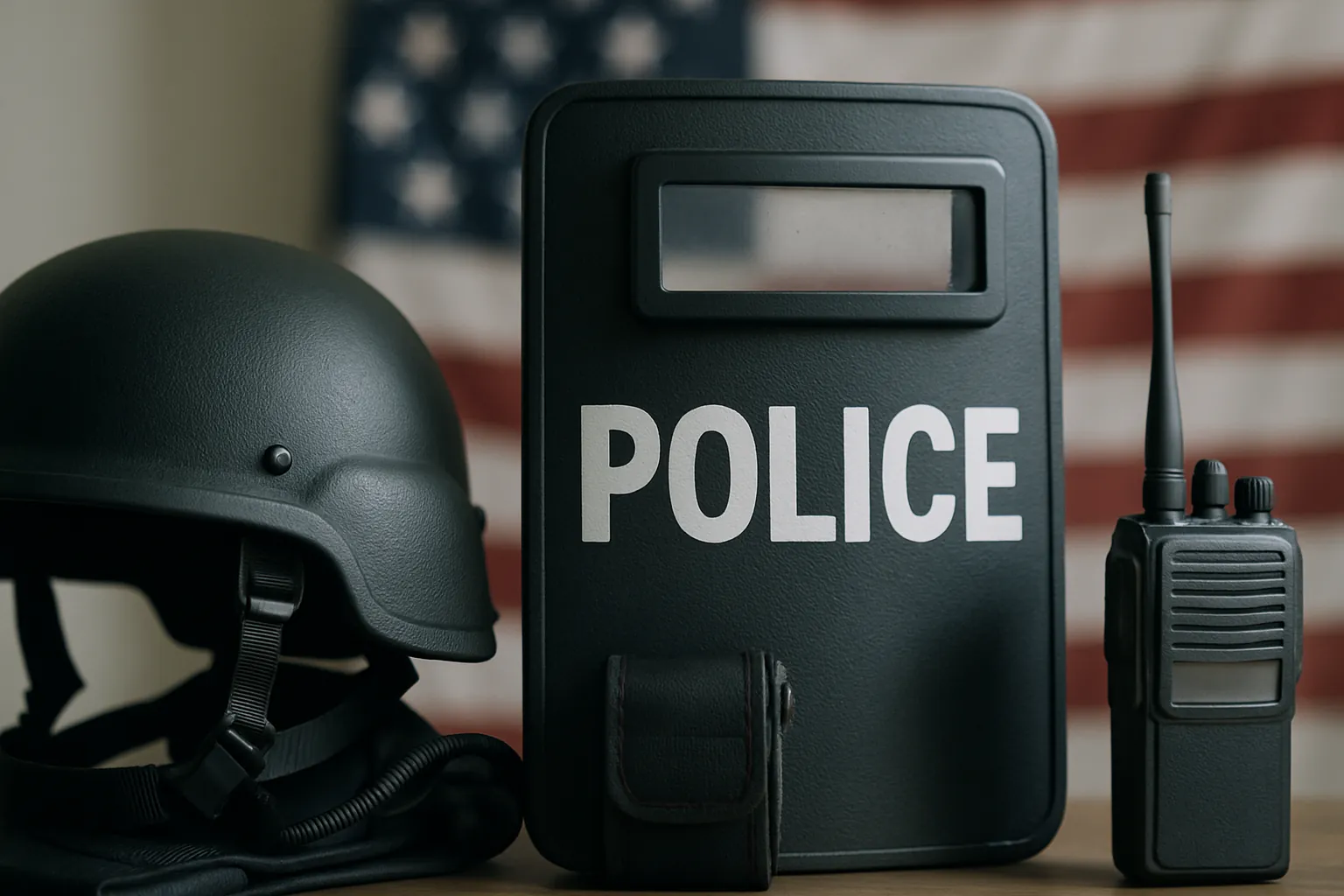
Manhattan’s skyline was already aglow when cell phones across the five boroughs chimed with breaking news: American warplanes, in a dramatic midnight mission, had struck three of Iran’s critical nuclear sites. Within hours, the New York Police Department blanketed the city’s mosaic of houses of worship and embassies in an unmistakable show of force. It wasn’t just the NYPD—Washington, D.C., Los Angeles, and New Jersey all activated high-alert protocols at synagogues, mosques, churches, diplomatic outposts, schools, and transit hubs.
At the heart of the mobilization is uncertainty. As New York Governor Kathy Hochul put it, the state’s “distinctive global profile” leaves it perennially exposed to global turmoil. “There are no credible threats as of this moment,” she said, “but our vigilance will not waver.” That vigilance includes not only a surge of police officers but also a dramatic uptick in cyber monitoring and counterterrorism patrols across subway terminals, bridges, and power infrastructure.
The unprecedented scale of Operation Midnight Hammer—over 125 U.S. warplanes, submarines, and warships launching bunker-buster bombs at Iranian facilities—sent shockwaves well beyond Tehran. According to the Department of Homeland Security (DHS), such visible acts of U.S. military dominance can ricochet through extremist echo chambers abroad and at home, fueling everything from cyberattacks to hate crimes. The DHS warning was explicit: expect increased online “hacktivism,” but be equally attuned to risks of retaliatory violence, especially against Jewish and Muslim spaces.
Across Nassau County on Long Island, patrol cars have clustered around larger synagogues and mosques. In Jersey City, parents described small but unmistakable changes—the daily sight of uniformed officers greeting students at the gates of yeshivas and Islamic academies no longer registers as out of the ordinary, but a grim sign of the times.
Political Fault Lines and the Ethics of Escalation
American airstrikes abroad have never failed to reverberate into political debate at home, and this latest moment is no exception. On one side, Republican officials like New Jersey’s Jack Ciattarelli argued, “We cannot let Iran’s nuclear ambitions threaten our families or our allies.” For him and others, the strikes were a necessary, bold assertion of American resolve. But pull back the lens to the halls of Congress and progressive circles in New York and D.C., and you find wary voices—those questioning not just the wisdom but the legality of these missions. Representative Alexandria Ocasio-Cortez did not mince words, calling out the Trump administration for pushing America into “potentially disastrous war without Congressional authorization.”
A closer look reveals deep anxiety about the long-term impact of this perpetual war footing on American democracy and civil society. Legal scholars like Harvard’s Noah Feldman have stressed that the executive branch’s increasing reliance on the 2001 Authorization for Use of Military Force (AUMF) bypasses vital legislative debate. Feldman cautioned, “This is precisely how endless war becomes normalized at home—when citizens and Congress surrender their oversight.”
“We must never accept a permanent ‘state of emergency’ as the new American norm. Heightened security is a prudent response to crisis, but it can easily become a veil for eroded liberties and suspended skepticism.”
— ACLU Executive Director Anthony Romero
History offers ample warnings. The aftermath of 9/11 saw the FBI and local police target Muslim, Arab, and South Asian communities, with broad surveillance and routine “voluntary interviews.” That strategy sowed distrust, traumatized families, and ultimately undermined public safety—lessons that loom large as agencies renew their focus on “at-risk” groups.
The dilemma: How do we safeguard against credible threats without fueling division, normalizing surveillance, or sacrificing core values of pluralism and civil rights? Academic analyses, including a 2023 Pew Research report, consistently find that over-policing and broad-brush security practices erode trust and cooperation, especially in minority and immigrant communities most likely to be swept up by heightened alerts.
Communities Caught in the Crosshairs: Resilience and Risk
“We feel like we’re constantly on guard,” explained Rabbi Tali Adler of Brooklyn, who’s seen a steady stream of nervous parishioners at her small synagogue. “People want to believe the police are here to protect us, but at the same time, many feel targeted by these very same security protocols.” Leaders at local mosques, too, echoed the sentiment—relief at the visible police presence, yet unease at being recast as potential hotspots of unrest rather than as foundational parts of New York’s social fabric.
Security professionals and civil rights advocates alike highlight the need for nuance. The reality remains that acts of hate—against Jews, Muslims, immigrants, and other marginalized groups—often surge in the aftermath of global crises. According to the Anti-Defamation League, anti-Semitic incidents in the U.S. nearly doubled in the year after the Soleimani strike in 2020. A 2022 FBI report confirmed that hate crimes at religious sites, especially synagogues and mosques, reliably spike after international military events.
City officials in New York, Los Angeles, and across New Jersey are trying to thread the needle—bolstering security, but also enlisting community liaisons and mental-health professionals, encouraging mutual trust and resilience. Department leaders have made a point to say: If you see something, say something—but don’t let fear eclipse fellowship.
What happens next? History suggests vigilance and compassion must move in tandem. True, America cannot predict where the next escalation or backlash will come from. But it can choose to respond in ways that reinforce, not undermine, the democratic promise of inclusion, accountability, and shared safety. In an era when global conflict is as much about hearts and minds as bombs and bullets, this approach is not just preferable—it is essential.
