
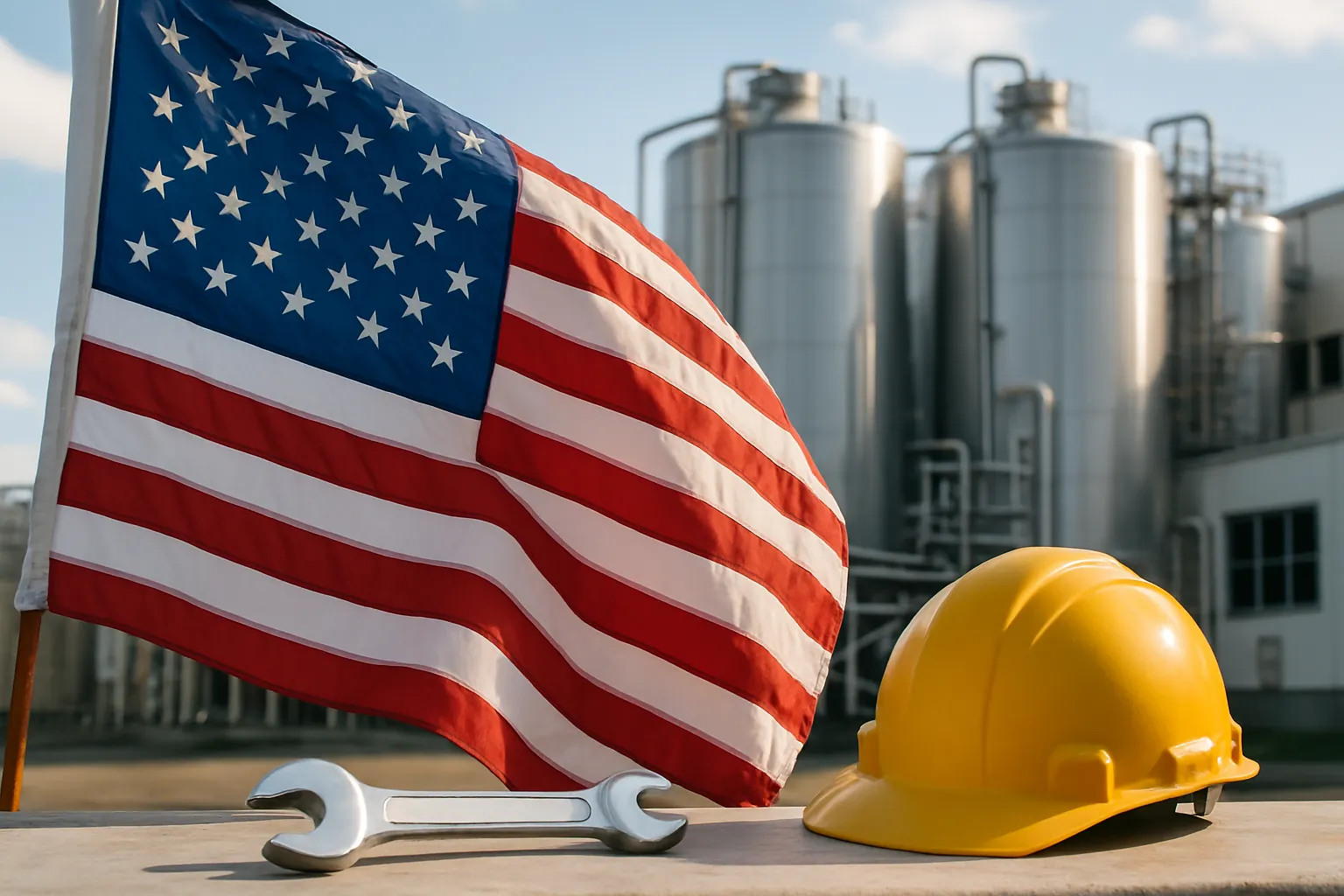
Brewing Jobs and Hopes: A New Chapter in American Manufacturing
Around dinner tables and in union halls, the American manufacturing dream has felt battered by offshoring, automation, and political posturing. Now, Anheuser-Busch – the iconic brewer behind household names like Budweiser and Michelob ULTRA – is betting $300 million on reigniting that dream through a new initiative called Brewing Futures. Headlines trumpet job creation and facility upgrades, but beneath the buzz lies a fraught national debate: Can big business step up where policy and politics have left working Americans behind?
The company’s commitment stands out against a backdrop of manufacturing sector losses and a renewed political focus on the value of domestic production. According to the Bureau of Labor Statistics, the U.S. has lost nearly 7 million manufacturing jobs in the past four decades, with only modest rebounds since the 2008 recession. Beyond that, Anheuser-Busch has quietly invested nearly $2 billion across 100 U.S. facilities in just five years – a scale dwarfing most news-making ribbon cuttings by smaller firms.
The Brewing Futures program is rooted in three pillars: creating and sustaining manufacturing jobs, building the manufacturing workforce for the future, and giving veterans accessible, dignified pathways into stable careers. Their new Technical Excellence Center in Columbus, Ohio, will serve as a hub for advanced training in partnership with the National Association of Manufacturers’ Manufacturing Institute and local trade schools. As CEO Brendan Whitworth frames it, the reinvestment is about more than profit—it’s about revitalizing communities and restoring pride in American labor.
More Than Marketing: The Real Stakes and Shortcomings
Corporate press releases are a dime a dozen, but can a single company’s pledge do much to move the needle for the broader working class? Skepticism lingers. Critics, including progressive labor advocates, caution that these investments, while welcome, cannot paper over decades of wage stagnation, union-busting, and public disinvestment in industrial towns. Anheuser-Busch might bolster its brand image with glossy ads showing smiling workers, but the core issue remains: Is this isolated boost enough to reverse systemic erosion in American manufacturing?
Yet, there’s reason for cautious optimism—especially for veterans. The company will be the first U.S. manufacturer to adopt a digital credentialing system with the Manufacturing Institute’s “Heroes MAKE America” program, a move designed to translate military experience directly into manufacturing qualifications. This approach is long overdue; as the Center for a New American Security notes, “veterans face significant barriers to civilian employment, often because their skills are poorly understood by HR departments.” More than 10% of Anheuser-Busch’s own workforce already are veterans; now, the playing field could broaden.
“If American manufacturers are truly serious about addressing workforce gaps and creating ladders for upward mobility, investments must be accompanied by living wages, robust health care, and a real voice on the shop floor.”
As Harvard labor economist Lawrence Katz observes, public-private partnerships are a crucial piece but cannot substitute for direct government action. “Sustained growth in family-supporting jobs requires coordinated investment, labor protections, and educational pathways that go well beyond any one company’s reach,” he says. Breweries like Anheuser-Busch can light the way, but national policy must pave the road.
A Progressive Vision: From Brand Loyalty to Economic Renewal
Branding this as an American-made success story, the company’s ad blitz harks back to a storied tradition of U.S. manufacturing pride. For many, the symbolism of locally brewed beer on tap at backyard barbecues stirs nostalgia—not just for a product, but for a vision of stable, dignified middle-class work. Yet progressive voices urge that optics alone won’t solve deeper inequalities.
Consider the numbers: Despite Anheuser-Busch’s 25-year streak of consistent dividend payments and aggressive domestic investments, the manufacturing sector as a whole faces a looming talent crisis. The National Association of Manufacturers forecasts nearly 2.1 million unfilled jobs in the next decade, largely due to retirements and a persistent skills gap. Without broader action—unions, federal apprenticeship funding, universal access to trade schools—the well-publicized investments of even the largest companies will remain isolated bright spots in an uneven landscape.
“The challenge remains urgent,” says Lisa LaRocque, workforce policy director at the Manufacturing Institute. “We need to think big—about diversity, about green manufacturing, about equitable pay. Companies like Anheuser-Busch can be models, but we shouldn’t conflate good PR with systemic reform.”
Looking forward, it’s clear meaningful economic renewal must prioritize people over profits, inclusivity over insularity, and long-term community well-being over quarterly returns. Progressive policy must insist that investments like these become not the exception, but the baseline standard for how corporate America contributes to a fairer future.
