
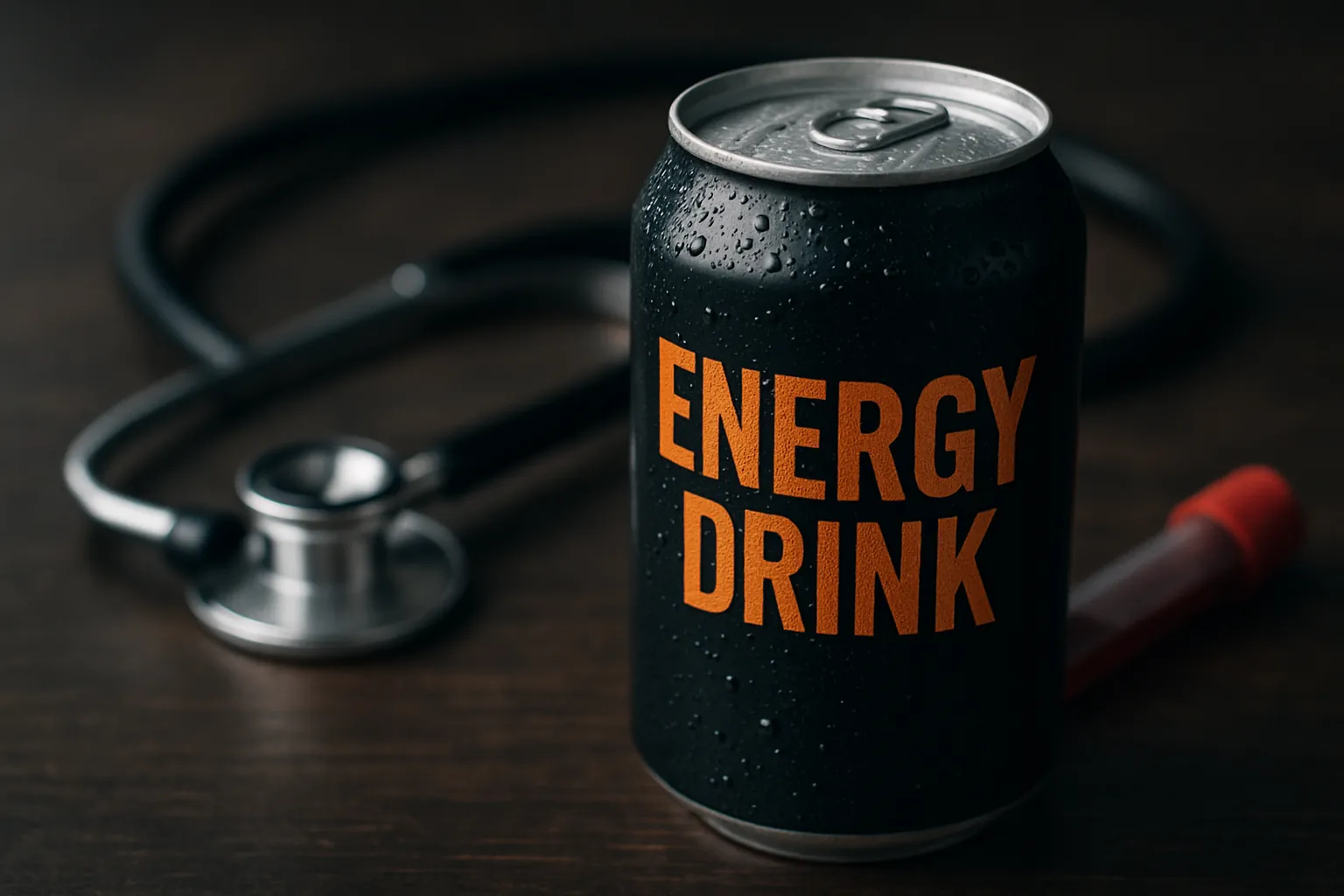
The Hidden Dangers in Your Energy Drink
Cracking open a can of Red Bull or Celsius has become a ritual for millions seeking a caffeine jolt, a quick boost before a workout, or a late-night productivity edge. Yet beneath the slick marketing and bubblegum-flavored fizz lies a growing health concern that demands urgent attention: a study published in Nature by researchers at the University of Rochester’s Wilmot Cancer Institute has spotlighted taurine, a common ingredient in energy drinks, as a potential accelerant for blood cancers such as leukemia.
Energy drinks have steadily infiltrated daily life, especially among younger people, athletes, and busy professionals. Their promises—sharper focus, more energy, improved performance—are tantalizing. But the American Cancer Society projects that over 192,000 Americans will be diagnosed with a blood cancer in 2025. Against this sobering backdrop, the revelation that taurine—a so-called “natural amino acid”—might feed cancer cell growth is more than a minor footnote; it’s a flashing warning light.
What exactly is taurine? The body produces it naturally, and it plays roles ranging from balancing electrolytes to supporting nerve function and digestion. But energy drink manufacturers supercharge their concoctions with synthetic taurine, aiming for amplified effects. Few consumers realize that excessive intake, especially in supplement or beverage form, can shift taurine from benign helper to cancer-associated risk factor.
From Health Hype to Health Hazard: The Science Behind Taurine and Leukemia
The University of Rochester study uncovered a disturbing cellular mechanism: leukemia cells, some of the most aggressive cancer cells in the body, effectively hijack taurine and use it as fuel. Their research, which combined sophisticated mouse models carrying the SLC6A6 gene (a key driver for taurine transport) and studies on human leukemia cells, revealed that when taurine entry to these cells is blocked, cancer progression slows.
This means that taurine isn’t just a passive passenger—it’s an active participant, potentially accelerating blood cancer’s advance. A closer look reveals the importance of glycolysis—the process by which cells break down glucose for energy. Cancer cells thrive on glycolysis, and taurine appears to turbocharge this process, supplying the energy leukemia cells crave for unchecked growth.
“Cancer cells are resourceful, exploiting even the nutrients provided by well-meaning consumers. Synthetic taurine, so ubiquitous in energy drinks, could be giving leukemia a vital advantage.”
Beyond that, the researchers noted that while taurine is sometimes used in a medical context to ease chemotherapy side effects, the line between helpful and harmful is razor-thin. As Dr. Li Li, co-author of the study, emphasized to The New York Times, “What we are suggesting is not that taurine causes cancer by itself, but that excess intake can be problematic in people with susceptible cells or undiagnosed conditions.”
While the study’s findings are preliminary—drawn from experiments in mice and with human leukemia cells in laboratory settings—they raise urgent questions about the regulation and consumption of taurine-heavy products. If blocking taurine’s entry into cells can slow leukemia, could unchecked taurine supplementation be quietly stacking the odds against vulnerable consumers?
Public Health at a Crossroads: Policy, Industry, and the Path Forward
U.S. regulators have long lagged behind the science when it comes to energy drink oversight. Once positioned as “dietary supplements,” these beverages neatly sidestepped many rules governing traditional sodas. Now, as evidence mounts about the risks linked to synthetic additives, especially taurine, the FDA and lawmakers face a reckoning. Should stricter limits be placed on the amount of taurine permitted in drinks, or mandatory warnings imposed for high-risk groups?
Energy drink giants have historically promoted taurine as essential to the brand mystique—“science-backed,” “performance-boosting,” and “perfectly safe.” Yet history shows that industries are often slow, if not resistant, to public health realities. Think back to the tobacco wars or the battle over trans fats in food. The pattern is familiar: profit-driven delay tactics, sponsored research muddying the narrative, and a public left to sift through confusing signals. Do you remember when sugar-laden drinks were advertised as “nutritional” for children?
Expert voices are increasingly clear. Harvard nutrition scientist Dr. Frank Hu, interviewed by NPR, warned, “The regulatory framework for energy drinks is weak. Many ingredients, including taurine, have not undergone comprehensive long-term safety testing, especially for high-dose, chronic consumption.” The chorus for consumer protection is growing louder.
Lifting the veil on taurine’s risks also exposes the deeper inequity in health risk distribution. Energy drinks disproportionately target lower-income, minority, and young populations—those most susceptible to aggressive marketing and least empowered to seek out nuanced health information. The need for clearer labeling, comprehensive safety research, and robust health education has never been greater.
More to the point, individual consumers face a landscape cluttered with mixed messages. Faced with mounting yet incomplete evidence, does one wait for ironclad proof, or exercise caution today? Progressive values—rooted in science, equity, and communal responsibility—demand we act on credible warning signs, not just bare minimum regulatory standards. Public health is, ultimately, a matter of collective stewardship.
For those reaching for their next energy drink: consider what’s really fueling your day. It’s not just caffeine and sugar, but possibly a far greater gamble on long-term health. Taurine’s role exemplifies the broader dilemma of modern nutrition: when industry innovation outpaces public health protection, it’s consumers who pay the highest price. The question isn’t whether to panic— it’s whether we demand honesty, transparency, and real accountability from the industries profiting off our daily habits.
