
The Emotional Undercurrents Shaping Barron Trump’s College Path
Late summer in New York is marked by many things: sweltering heat, a city buzzing with the promise of fresh starts, and—for one well-known family—a seismic shift defined not by political ambition, but by loss. When Barron Trump, the youngest son of former President Donald Trump and First Lady Melania Trump, enrolled at New York University this year, the story splashed across tabloids fixated on everything from Barron’s height to wild rumors about Harvard snubs. Lost in this noise is the deeper, more poignant reality behind his choice.
Why does a teenager with admissions offers from prestigious institutions, including Wharton—the alma mater of his father and older siblings—opt to remain local, forgoing the trappings of Ivy League prestige? According to Donald Trump himself, the answer is as personal as it is universal. Loss shaped Barron’s decision, with the passing of his maternal grandmother, Amalija Knavs, mere months before. Her plan had been to move into an apartment nearby, offering Barron a familiar pillar of support as he transitioned to adulthood. That hope was cut short by her sudden death.
Moments like these rarely make headlines. Yet they shape the lives of public figures as profoundly as those out of the spotlight. “Barron wanted his grandmother close and NYU within reach. In the end, loss—not ambition—defined his next chapter,” recounted one family friend. Even amidst enormous privilege, the Trumps are not immune to tragedy’s quiet gravitational pull.
Life under Scrutiny: The Awkward College Experience
For most undergraduates, college marks a time of newfound independence: late-night pizza runs, friendships forged over study marathons, living for the first time outside a parent’s shadow. For Barron Trump, reality is more cage than cocoon. The persistent presence of Secret Service agents has made his experience “beyond awkward” at times, according to those familiar with his campus life (source: New York Post, 2024). Fellow students may glance twice, unsure if they ought to offer condolences, ask for a selfie, or simply avoid eye contact altogether. Public life comes with invisible tripwires at every turn.
Melania Trump, navigating her own bereavement after the loss of her mother, has grown even more protective of her son. A closer look reveals how parental anxiety and grief intertwine, often resulting in a delicate balancing act between granting Barron autonomy and ensuring his safety. “It’s not just about transitions—it’s about healing. NYU offered familiarity and comfort in the face of unpredictable changes,” notes family confidante and former White House adviser Stephanie Winston Wolkoff.
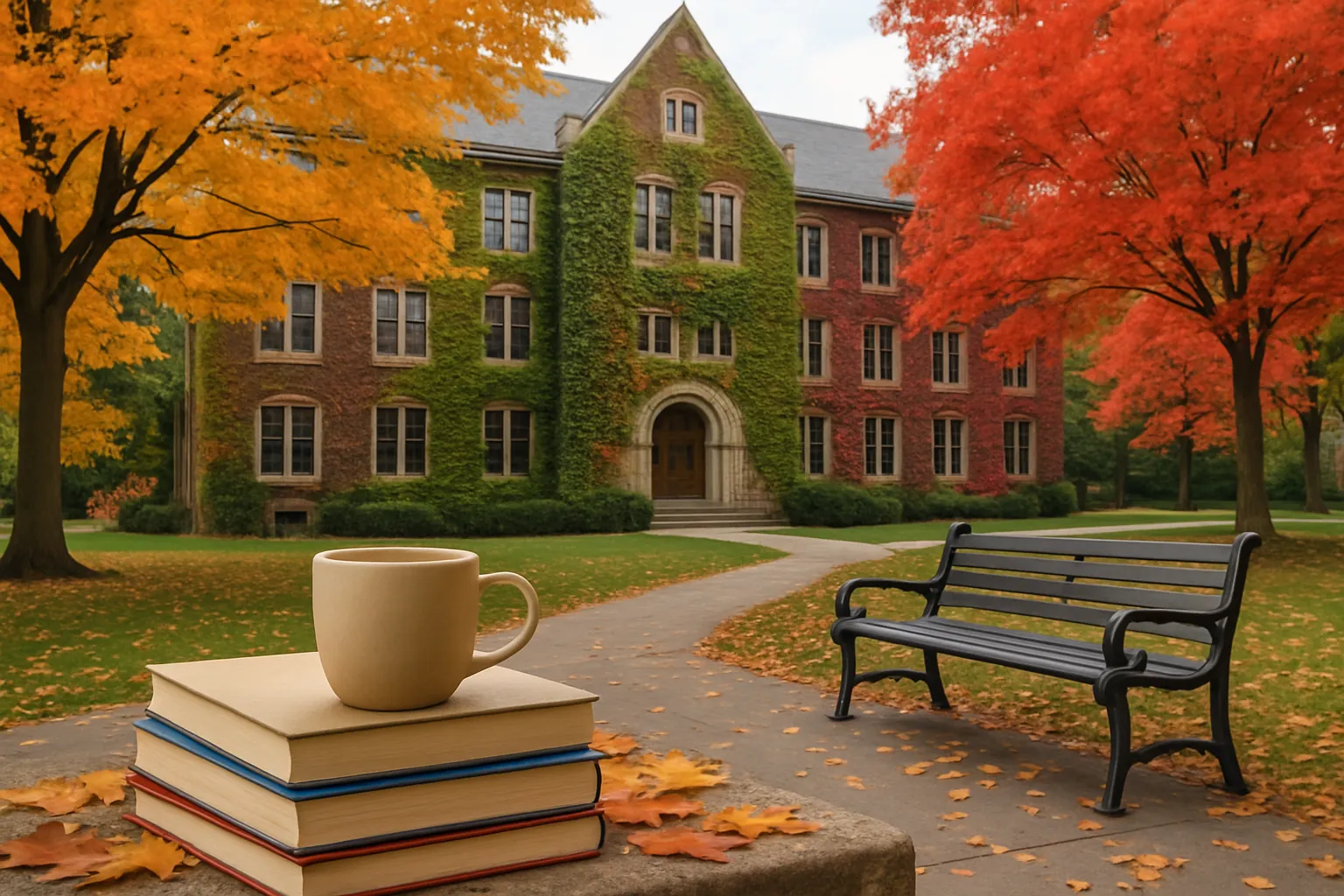
These are the kinds of challenges that draw a line between image and reality. NYU, nestled in Greenwich Village, becomes not just a set of Gothic buildings, but the backdrop for a more private, ongoing negotiation with grief, privacy, and the ordinary pains of growing up.
“You can have all the money and all the attention in the world, but there are losses you just can’t buffer against.”
Four Rules—and the Political Weaponization of Education
Donald Trump has always relished the role of stern patriarch. When asked about Barron embarking on college life, he spoke of the four rules he shares with each of his children: no drugs, no alcohol, no cigarettes. These maxims are familiar to countless parents, cutting across party lines and pay grades. Some things, it seems, never change.
But the former president, never one to avoid controversy, added what he considered a fifth, unspoken guideline: beware “the woke mind virus.” In an era where conservative pundits rail against supposed left-leaning indoctrination in higher education, Trump’s aside proves telling. He warned Barron about professors with progressive views, painting NYU—one of the country’s most diverse and liberal campuses—as a potential minefield for his son. The subtext resonates with Republican efforts nationwide to legislate against “critical race theory” and diversity education, controversies that have less to do with classroom content than with policing what young Americans hear, question, and imagine.
Critics are right to point out that these attacks on academia undermine the freedom of inquiry foundational to American life. Dr. Sheri Lederman, an education policy expert at NYU’s Steinhardt School, emphasizes that “attempts to muzzle academic freedom diminish every student’s capacity to think critically and participate in democracy.” When children of privilege are taught to fear teachers who challenge their beliefs, what message does that send to the rest?
History offers a cautionary tale. In the 1950s, McCarthyism targeted professors and students alike for their suspected political leanings, resulting in ruined careers and a chilling effect on public debate. Today’s moral panics are no less corrosive—just better dressed for cable news.
When Privilege Meets Vulnerability: What Barron’s Story Reveals
Political spectacle aside, what remains raw and real is the simple truth at the heart of this story: even the children of the powerful stumble through pain and uncertainty, just like any other young adult. Privilege insulates, but it does not immunize. As Barron Trump finds his footing at NYU, his father cannot legislate away grief or shield him from awkwardness. Melania Trump cannot reverse a personal loss, no matter how carefully she guards her son. Even Secret Service detail, so attuned to physical risk, has no playbook for the emotional vulnerabilities that come when a college freshman loses the grandparent who meant the most to him.
Yet there may be hope in this moment of pain. In an age when political discourse is often cruel, sneering, and divisive, stories like Barron’s remind us of the fragility that connects us all. No matter how gilded the surroundings or adversarial the press, growing up remains a negotiation with loss, love, and the universal human desire for connection.
NYU sits in the midst of Manhattan’s chaos, but for at least one high-profile freshman, it is also a sanctuary—one built not for cameras or campaign trails, but for coping, remembering, and slowly moving on. For that, perhaps, the lesson is less about politics and more about the choices we make when facing heartbreak: to seek comfort close to home, and to hold tight to the people we love for as long as we can.
