
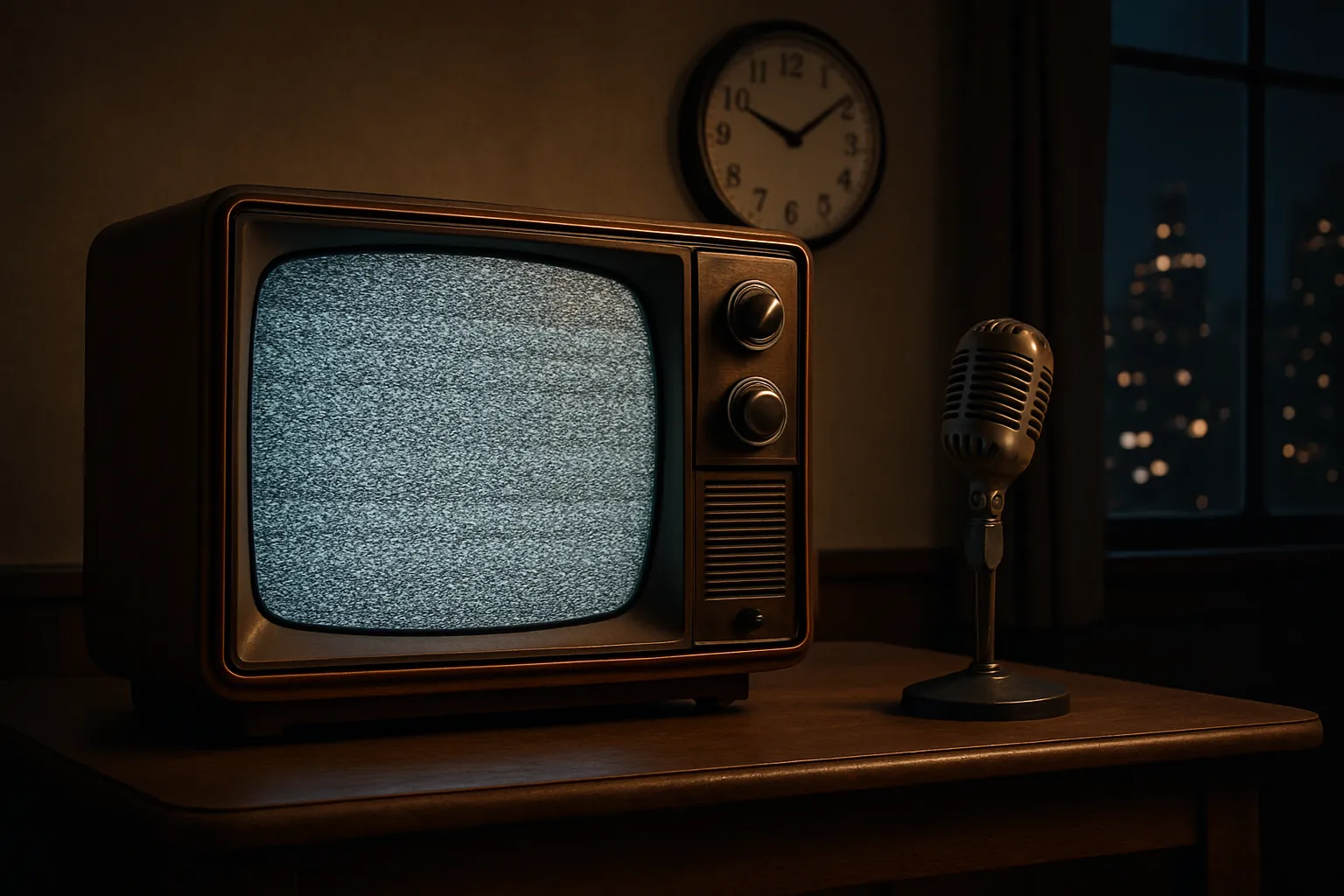
The Sudden Silence: Why The Late Show’s Cancellation Stings
It’s difficult to imagine American nights without the comforting hum of late-night talk shows anchoring our cultural consciousness. That’s precisely why CBS’s recent decision to shutter The Late Show with Stephen Colbert—along with the entire Late Show franchise—has sent shockwaves through both the broadcasting world and loyal viewers. Paul Shaffer, who spent 33 years accompanying David Letterman and later collaborated with Colbert, put it simply: “absolutely shocking.” Decades of tradition, irreverence, and wit seem to be vanishing with a single corporate memo.
Such cancelations rarely drop in a vacuum. Shaffer and other comedy mainstays, from Jimmy Kimmel to Jon Stewart, have loudly questioned CBS’s motives. “This is the death of late-night television,” Shaffer lamented at the 2025 Toronto International Film Festival, raising an inconvenient truth: would this have happened if not for Paramount Global’s ongoing corporate shake-ups and its headline-grabbing settlement with Donald Trump?
Beyond that, the abruptness exposes a stark reality about the fragility of supposedly cherished institutions in modern America. Financial explanations abound—from CBS, from Wall Street analysts, from corporate briefings—but, as Letterman himself seethed, sometimes a move is just “pure cowardice.” After all, Stephen Colbert remained number one in his time slot. Who, exactly, benefits from axing a winning formula?
Late-Night’s Decline or Evolution? A Closer Look at the Numbers
TV’s after-hours institution has always thrived on its ability to reflect and refract national anxieties, with hosts like Colbert, Letterman, and even Leno functioning as nightly therapists and jesters. Still, in recent years, late-night numbers have softened. According to Nielsen data compiled in 2024, the average adult viewer now turns to YouTube, TikTok, or streaming highlights for quick entertainment, charting a marked decline in live TV viewership across all networks. Digital migration hasn’t spared even the brightest names: clips may go viral, but the ecosystem that fostered impromptu, lengthy monologues and boundary-pushing interviews is imperiled.
Yet, calling this trend an “end” paints an incomplete picture. Harvard media scholar Jessica Winston puts it bluntly: “We’re not witnessing extinction, but metamorphosis.” Audiences still hunger for sharp comedic commentary, but delivery systems are evolving. Conan O’Brien, a legend in his own right, captures the prevailing optimism: people like Colbert, he says, are too “talented and essential to remain quiet for long.”
“After decades of setting the cultural agenda, late-night is not dying—it’s moving into the next era, and the real tragedy would be for its sharpest voices to be silenced by boardroom cowardice.” — Paul Shaffer (2025)
Just as Johnny Carson’s retirement in 1992 marked both a loss and a rebirth, television’s shape-shifting now demands more than nostalgia. The contemporary crisis is less about the personalities and more about who controls access to the national conversation. For progressives invested in public discourse, that’s a fight worth paying attention to.
Cultural Fallout: What We Lose—and What Might Come Next
As network executives chase quarterly profits, the public loses something more profound: a communal space for debate and unity. Late-night’s best moments—Colbert’s monologue after the 2016 election, Letterman’s post-9/11 return, Stewart’s biting takedowns of hypocrisy—provided common ground for millions. The loss of these platforms means surrendering public square real estate to splintered, algorithm-driven bubbles.
Paul Shaffer’s deep pride in his three-decade partnership with Letterman was obvious during his remarks in Toronto. It’s not just nostalgia; it’s a recognition that longevity breeds trust and experimentation, rare commodities in today’s churn-and-burn content landscape. “I’m glad I was in and out while the getting was good,” Shaffer quipped—but behind the humor lay a warning for the industry: disposable culture begets disposable democracy.
Colbert’s own response has thus far been subdued, but those close to the host suggest he’s already plotting a future well beyond traditional television. If history teaches us anything, it’s that tenacious voices will find new megaphones. As countless past provocateurs reinvented themselves—think Stewart’s shift to Apple TV or O’Brien’s podcast empire—so too will this generation.
Still, the stakes are high. According to Pew Research, late-night shows ranked among the top sources of news for Americans under 35 as recently as 2023. Now, trusting both facts and satire requires a navigation of online silos, many unchecked by the editorial standards honed on network stages. Progressive values—equality, accountability, humor in the face of power—face fresh peril in a fractured information ecosystem.
The Last Laugh or New Beginnings?
A final note for viewers: the retirement of The Late Show franchise feels like a wake, but it need not be a funeral. If networks won’t invest in collective conversation, public pressure—and online engagement—must demand platforms for new voices who hold the powerful to account. CBS executives may have underestimated the cultural hunger they’ve unleashed; the next master satirist may emerge from precisely the digital chaos they helped to create.
The bedrock lesson? Democracy and dissent thrive on open, accessible stages. Who will build them now, and who will listen?
