
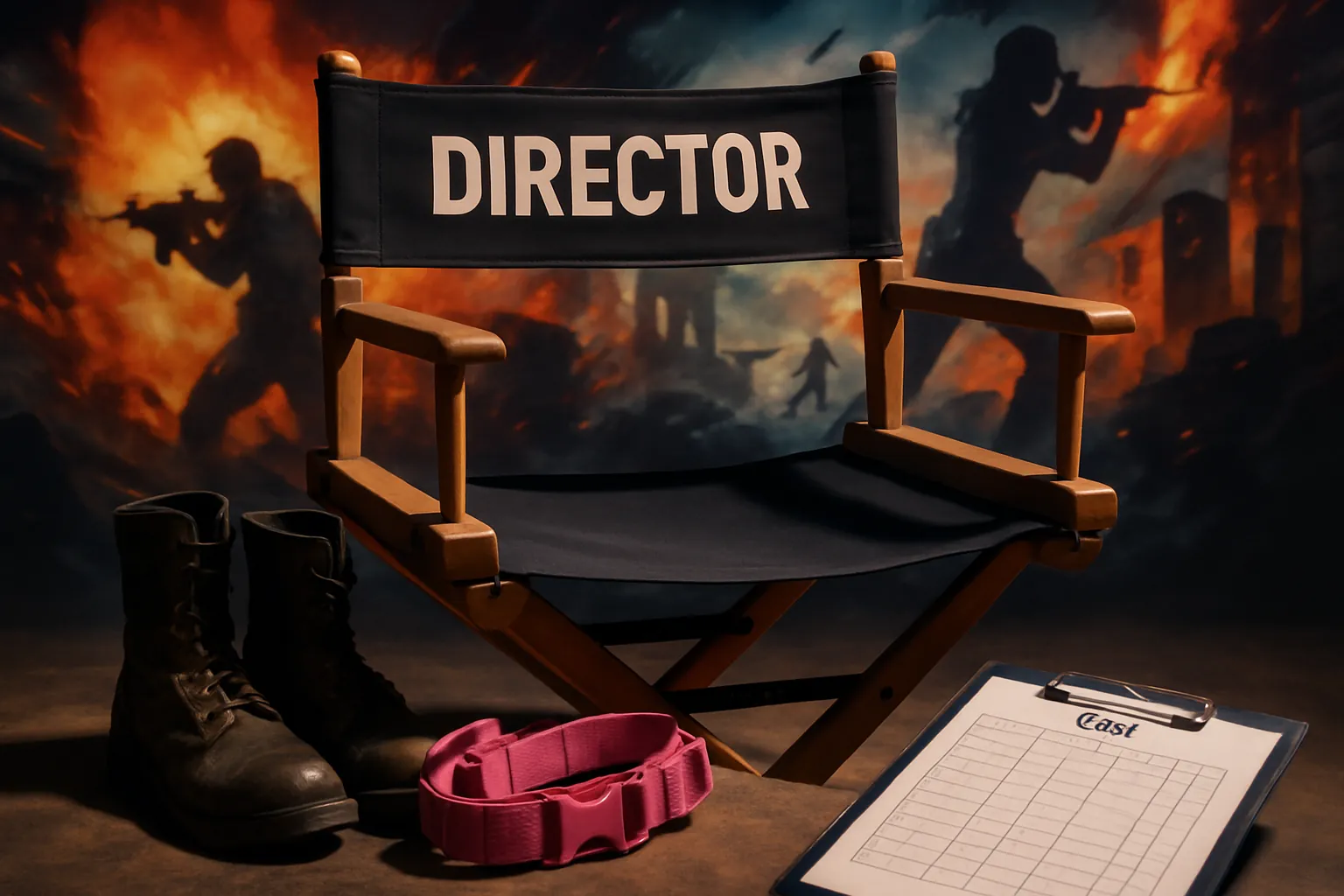
The Silent Ceiling: Hollywood’s Reluctance With Women Action Stars
Picture this: Charlize Theron, already an Oscar-winner and an undisputed force in action cinema, is dangling from a helicopter for a breathtaking, practical stunt in The Old Guard 2. It’s the kind of stunt that launched countless male actors into the coveted hall of summer blockbuster stars. Yet, even with this track record and a successful franchise under her belt, Theron confides that Hollywood’s risk appetite evaporates when it comes to women leading action films.
Her frustration echoes far beyond her own experience. “Guys get a free ride,” she told the New York Times recently, referencing the pattern in which male actors are granted repeated opportunities after box office flops—a luxury not often extended to women. On the rare occasion a female-led action movie underperforms, studios shutter the doors on those stars, seldom letting them try again.
Why does this double standard persist in an industry that prides itself on reinvention? Dr. Martha Lauzen, creator of the annual Celluloid Ceiling report, has long tracked this imbalance. According to her latest data, in 2023, only 15% of protagonists in the year’s highest-grossing action films were women. The numbers speak as loudly as Theron’s words.
The Heavy Toll of Proving Yourself—Again and Again
Behind every cinematic punch thrown or car smashed, Theron’s body keeps score. She has accumulated an impressive injury roster—her neck (the last operation was 18 years ago), both elbows, right shoulder, thumb, carpal tunnel, along with “numerous fractures.” This isn’t a script-friendly exaggeration: Theron’s willingness to push her physical limits underscores how much female actors are forced to risk, physically and professionally, just to secure their piece of the action genre.
Uma Thurman, Theron’s co-star in The Old Guard 2, offered an insightful contrast. After her legendary turns in Kill Bill, action roles largely stopped coming her way. It’s a sentiment plenty of women in Hollywood recognize—an unspoken rule that women, even after iconic performances, aren’t slotted into action franchises the way their male counterparts are. A closer look reveals that men like Tom Cruise, Keanu Reeves, or Bruce Willis repeatedly head action juggernauts regardless of a box office dud, while women—after a single disappointment—are quietly ushered out of the lineup.
“Men are allowed to fail, women are expected to prove themselves—all the time.”
Studio economics gurus often argue that the market simply “doesn’t support” more female-led blockbusters. But the numbers? They disagree. Scarlett Johansson’s reign as Hollywood’s highest-grossing star—recently surpassing even Samuel L. Jackson and Robert Downey Jr. with the success of Jurassic World: Rebirth—is a pointed counterexample. Whenever audiences are actually offered electrifying stories with women at the center, people show up. It’s not a lack of public appetite for these stories. It’s a profound reluctance on the part of those who hold the purse strings.
Systemic Bias, Selective Memory, and Breaking the Pattern
So why can’t Hollywood remember hits like Wonder Woman, Mad Max: Fury Road, or The Hunger Games when casting its next big bets? Studio decision-making is clouded by deep-seated biases—sometimes implicit, sometimes blatantly stated. Theron’s candid critique peels back the curtain on whose risk is truly deemed “worth it.” The built-in forgiveness for male stars means they’re constantly awarded second (and third, and fourth) chances. Women are not only expected to triumph; they’re expected to break new ground, all while weathering scrutiny men never face.
It’s not just about gender-parity in casting; it’s about industry-wide responsibility for equality. If you care about original stories and untapped points of view, defending this broken status quo is indefensible. As Pew Research data illustrates, Americans are increasingly intolerant of workplace discrimination—and Hollywood is no exception. The intolerant status quo, Theron argues, threatens to keep the door locked for a new generation of women with stories to tell and worlds to save onscreen.
Equality in storytelling isn’t just for the sake of representation—though that alone is reason enough. It’s for the dynamism, unpredictability, and creative excitement that younger, more diverse casts and perspectives bring. A critical look at Theron’s comments asks us: Shouldn’t audiences demand more risk-taking from an industry built on the promise of dreams?
Resilience, Single Motherhood, and the Intimate Cost of Breaking Barriers
Offscreen, Theron’s journey is just as pointed. Raising two daughters as a single mom, she’s candid about the difficulties of parenting in an industry where independence and resilience are not just professional assets but necessities. Her stances on dating—rejecting the pressures of celebrity matchmaking and dismissing dating apps as a “clown show”—underscore the daily negotiations required to remain self-directed in a culture quick to box women in.
Hollywood’s resistance to change has real-world costs, not just for stars but for every audience member hungry to see their realities reflected with authenticity and ambition. The next time you watch Theron brawl her way through an over-the-top action set piece, consider the hurdles—physical, cultural, and institutional—she’s had to leap to get there. The only thing riskier than letting women lead is letting the system stay this unjust.
