
A New Line of Defense: Columbus Answers Rising Backlash
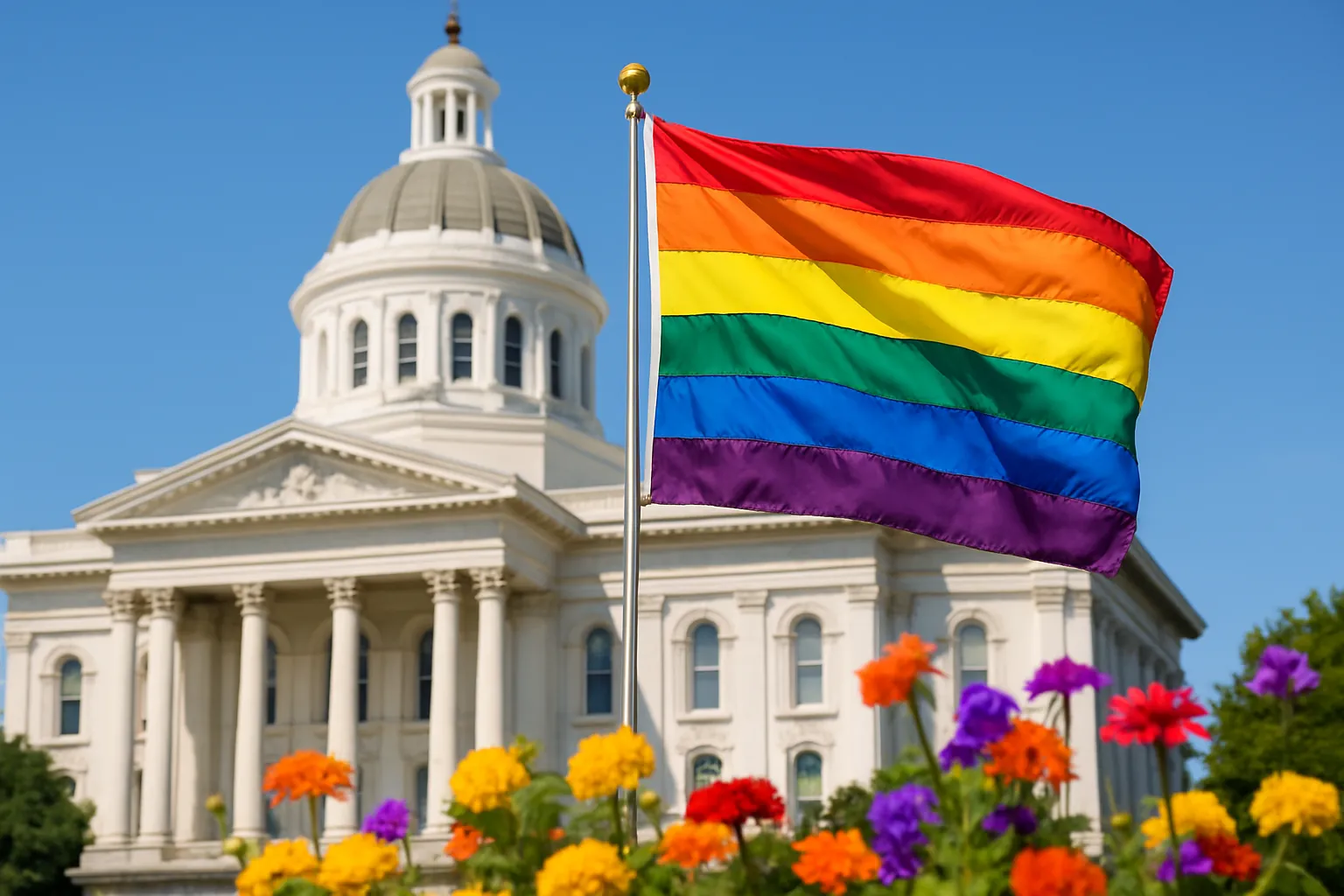
Outside City Hall, rainbow banners flapped in the June breeze as Council President Shannon Hardin, flanked by legislators and activists from across Ohio, made an announcement that rippled through the crowd: Columbus will form its first LGBTQ+ Affairs Commission. Not a symbolic gesture for Pride Month, but a direct response to intensifying legislative threats targeting LGBTQ+ people in Ohio and beyond.
“This isn’t only about celebrating who we are during Pride,” Hardin proclaimed, “it’s about embedding inclusion and protection for LGBTQ+ people into the very bedrock of our city government.” The timing—on the eve of Columbus’s massive Pride March—was no accident. Over the past year, the Republican supermajority in the Statehouse has pushed a tidal wave of bills seeking to restrict queer and trans rights, from bathroom bans to sports participation exclusions and, most alarmingly, healthcare restrictions for transgender youth. According to the Human Rights Campaign, 2023 and the first half of 2024 have seen record numbers of anti-LGBTQ+ bills introduced nationwide, with Ohio among the hotbeds of this legislative surge.
So, what makes this commission more than ceremonial? At its core, it’s about giving the LGBTQ+ community “a seat at the table,” as Hardin put it, in every conversation about city policy, public safety, housing, and health. Thirteen commissioners—appointed by city council and the mayor—will serve three-year terms, meet quarterly, and maintain a constant presence in City Hall. Their mandate: advise city leaders, recommend laws, scrutinize policy, amplify queer concerns, and organize outreach. In a political climate where queer rights are under siege, this is more than just bureaucracy: it’s a lifeline for a vulnerable community.
Beyond Symbolism: How Commissions Shift the Conversation
History demonstrates the importance—and limitations—of local advocacy when state protections fail. Cincinnati, another progressive beacon in a mostly conservative state, launched its own LGBTQ+ commission earlier this year. But Columbus, as Ohio’s capital and largest city, brings outsized influence. “When larger cities lead on equity, they become blueprints for others,” notes Dr. Emily Harris, a political scientist at The Ohio State University. Right now, with the Supreme Court in flux and federal action gridlocked, local bodies like the planned commission can stand as bulwarks against the rollback of rights.
Being advisory isn’t a weakness in the current climate; it’s a means to maintain vigilance. Whether it’s alerting council to anti-LGBTQ+ bills or promoting local safe spaces for trans youth, such a commission offers a way to protect the most vulnerable—and to show that, even in hostile times, communities can build their own platforms for justice. “We should never underestimate the capacity of local leadership to shape safer realities,” says Nickie Antonio, the Ohio Senate Minority Leader and one of the state’s few out LGBTQ+ legislators. States like Florida or Texas remind us what can happen when local protections are stripped away; Columbus, in contrast, is setting an example of resistance and resilience.
“There are efforts in real time to legislate the LGBTQ+ community out of existence,” cautioned Evan Low, president and CEO of the LGBTQ+ Victory Fund. “This commission isn’t just overdue. It may be the only thing standing between our neighbors and policies that erase their protections.”
Opponents may argue—often disingenuously—that such commissions create “special rights” or stoke division. That line, however, ignores the urgent context. The purpose here is rectifying long-standing gaps—ensuring LGBTQ+ voices don’t just get tacked on at the end of policy debates, but shape the very questions under consideration. The commission’s first-year focus on fighting transphobic and homophobic legislation is an answer to the lived reality of Ohio’s queer youth, who’ve seen libraries threatened, healthcare providers handcuffed, and bathrooms policed—not hypothetical culture-war skirmishes, but daily infringements on personal dignity and safety.
Looking Forward: Building Community Power and Political Muscle
What will success look like for Columbus’s new commission? Outcomes are measured not solely by official proclamations, but by tangible improvements: fewer hate crimes, increased access to affirming services, youth who feel safe enough to come out, elders whose housing is secure. LGBTQ+ commissions in other cities have pushed for inclusive curricula in public schools, broadened access to healthcare, and funded mental health and housing support. Such efforts matter intensely at a moment when, according to a recent Pew Research study, over half of LGBTQ+ adults in the U.S. have faced discrimination in the past year.
No commission—no matter how well-meaning—can single-handedly fix a hostile state or national landscape, a reality acknowledged even by Hardin and his team. Yet the act of formalizing queer representation brings hope of a “virtuous cycle:” more engagement, more nuanced lawmaking, broader coalitions. Local resistance can spark statewide—and eventually national—change. LGBTQ+ youth in small towns across Ohio can see that their capital city recognizes, welcomes, and protects them. Hardin’s hope, echoed by advocates, is clear: Columbus should be a city where queer people not only survive but thrive.
Will other cities answer Columbus’s call? With Cincinnati already on board and the climate growing ever more volatile, commissions like these may become ballast against regressive tides. As this national experiment in local resilience unfolds, the eyes of Ohio—and perhaps the nation—are watching how true inclusivity is built, piece by piece, law by law, voice by voice.
