
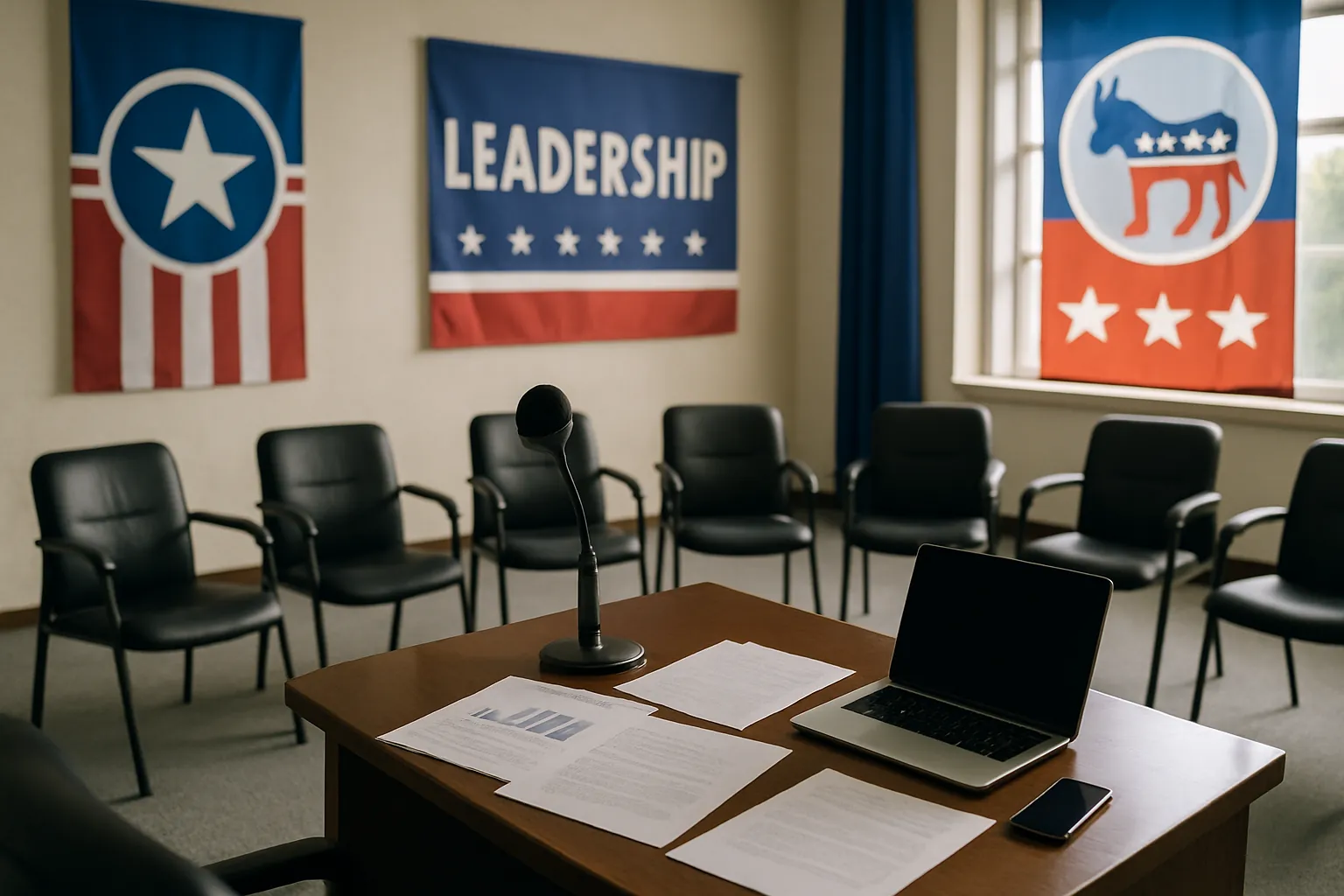
The Symbolism and Substance of the DNC’s Opening
Lightning strikes are rare on humid summer mornings in Minneapolis, but as the Democratic National Committee (DNC) opened its annual summer meeting, the national party’s turbulence felt equally electric in the air.
The gathering launched not with party business or raucous speeches, but solemnity—a land acknowledgment voiced by Lindy Sowmick, treasurer of the Minnesota DFL and a member of the Saginaw Ojibwe Nation. Over hushed delegates, Sowmick recognized the Dakota people as the original stewards of Minnesota’s lands and waters, following a heartfelt invocation by the pastor of Governor Tim Walz’s church and the Pledge of Allegiance.
“We must not allow land acknowledgments like these to become mere box-ticking exercises,” Sowmick urged delegates, her words lingering in the air as the first real call to conscience of the meeting.
What does it mean for a political party to open with such ceremony at a time of existential knottiness? Critics on the right dismiss acknowledgments like these as performative, but within much of the Democratic Party, they have become a symbolic line in the sand—a reminder that progressive ideals demand more than platitudes. The real challenge, as Sowmick articulated, is translating words into policy, respect into meaningful action. According to University of Minnesota political scientist Kathryn Pearson, “Symbolism can spark dialogue, but if it ends with a photo op, the party risks alienating the very communities it seeks to engage.”
The dilemma: How does a party that stakes its brand on inclusion, reconciliation, and social justice move beyond gestures and toward structural progress? Recent Pew Research shows that less than one in five Americans approve of Democratic congressional leadership—a reality that should inspire introspection, not just symbolic performance.
Deep Divisions and the Post-2024 Reality
A closer look reveals more than ceremonial uncertainties: There are deep-rooted fissures over the party’s direction. The DNC enters this summer wounded from the 2024 elections, lagging tens of millions behind the Republican Party in fundraising and suffering from visible messaging fractures.
This financial chasm is not abstract—it translates to real-world constraints on mobilizing voters, building infrastructure, and countering the GOP’s intensifying campaigns. Internal surveys and recent coverage by CBS News indicate heightened anxiety over which messages resonate in a polarized America. Are Democrats leaning too hard into urban progressive priorities while failing to galvanize rural, working-class, and non-white voters who once made up the party’s backbone?
These divides spill into public debates over leadership and the primary process itself. Party Chair Ken Martin acknowledged the hand-wringing but framed it as a need for “unity born of honest debate.”
“Democrats across the political spectrum are searching for a new consensus—not just on rhetorical style but on what kind of party they want to be for the next generation. Without clarity, we risk relitigating old battles rather than facing the challenges ahead.” — Harvard historian Leah Wright Rigueur
Political scientist David Hopkins (Boston College) argues that the DNC’s struggles reflect “a broader crisis for American parties in the Internet age—decentralized activism colliding with centralized leadership.” The net result for Democrats has been muddled messaging, confusion over what the party stands for, and disappointing electoral returns, especially in critical Midwestern and Sun Belt states.
Battles Over the Calendar, Unity, and the Path Forward
Beyond symbolic openings, this DNC gathering was unmistakably shaped by practical fights with far-reaching consequences. The most contentious: revisiting the 2028 presidential nominating calendar.
The 2024 cycle was rocked by President Biden’s attempt to upend the traditional order, shifting South Carolina ahead of Iowa and New Hampshire, hoping to foreground more diverse electorates—only to see New Hampshire assert its historic primacy, state law in hand. Now, New Hampshire Democrats have gained an extra seat at the table in the DNC’s Rules and Bylaws Committee, setting the stage for a prolonged debate—one that could shape the party’s fortunes for years.
This isn’t merely tit-for-tat politicking. The issue exposes the party’s persistent discomfort with tradition versus reform. Should the Democratic nominating process reflect modern, multicultural America or should it honor the communities and campaign cultures that brought past victories? Previous attempts to reorder the primary calendar have led to charges of disenfranchisement, with Iowa and New Hampshire’s defenders arguing that retail politics and face-to-face campaigning make better presidents, while reformers push back, citing the need for racial and geographic equity.
The question looms: Will divisions over process distract from urgent fights for voting rights, economic fairness, and reproductive autonomy?
Internal unity is also tested by the party’s financial woes. According to OpenSecrets, Republicans ended the 2024 cycle with tens of millions more in their coffers—a gap that could spell disaster in a post-Citizens United landscape flush with dark money and Super PACs. Democrats’ challenge is not simply one of messaging but of institutional rejuvenation: Can they invigorate a grassroots fundraising model that once propelled Obama into office? Or will inertia and division allow the GOP’s money machine and voter-suppression efforts to tighten their grip on government?
Deliberations in Minneapolis reflect the stakes. “We’re not just losing dollars—we’re losing the ability to organize in swing states and defend our values,” a DNC member from Michigan lamented. This battle is about more than a spreadsheet; it’s about whether progressive ideals can translate into power.
When a party is caught between the symbolism of virtue and the substance of survival, it must decide: performative gestures or transformative action? There’s a difference—one requires courage, coalition-building, and a willingness to challenge not only your opponents, but your own orthodoxy.
Choosing the Future: Renewal or Retreat?
Leadership in troubled times is rarely glamorous. The DNC’s summer meeting, for all its pageantry and procedural wrangling, is a crucial crossroads. Delegates, activists, and national leaders alike must choose: Will they pull the party out of its doldrums or drift further into the echo chamber of good intentions?
The call from Minneapolis is clear. As Lindy Sowmick challenged, acknowledgments—of land, history, or even loss—lose power if not matched by conscience and action. Quoting historian Heather Cox Richardson, “American progress is always borne of struggle—rarely is it tidy, and never is it passive.”
American readers know these stakes are real. Whether because you care about racial equity, economic dignity, or the preservation of democracy itself, the future of the Democratic Party will help chart the course of the nation. The question is whether its leaders will answer history’s call, or simply repeat the gestures of the past.
The time for realignment is now—before the narrative of decline becomes destiny.
