
Economic Crossroads: All Eyes on the Payrolls
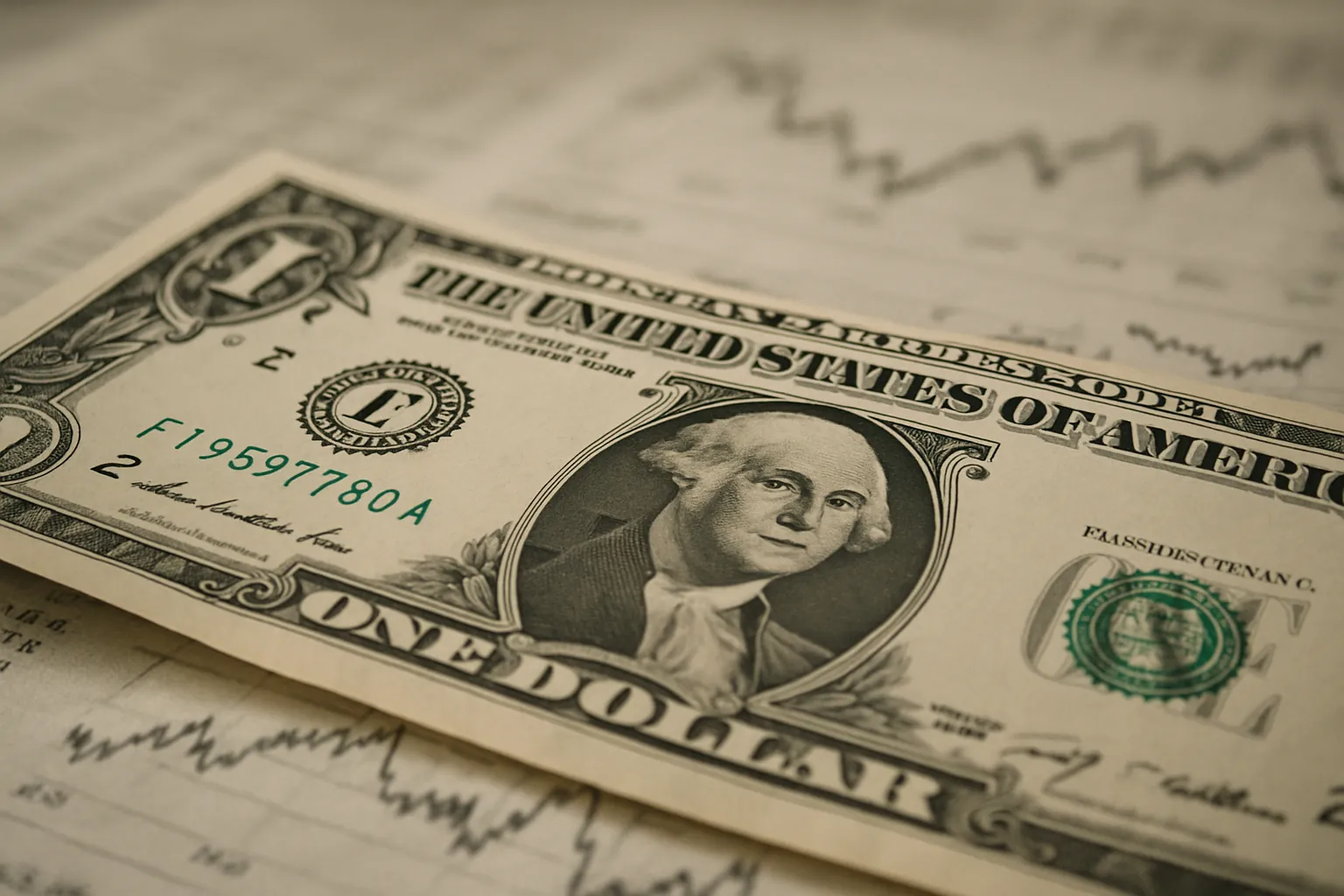
Financial markets, ever jittery in times of political ambiguity, are treading water as the U.S. dollar hovers at its lowest point in more than three years. The catalyst? An anxiously anticipated June jobs report—a data point with the power to shift economic policy, investor confidence, and, by extension, the everyday realities of workers and retirees alike.
Wall Street isn’t just watching the numbers. Experts like Diane Swonk, chief economist at KPMG, stress, “A bad payrolls number could light a fire under rate cut expectations, sending the dollar down further and raising critical questions about growth going into the fall.” According to recent reporting from Reuters and the Financial Times, the ADP private payrolls data unveiled an unexpected decline, rattling investor nerves and forcing a rapid recalibration of Federal Reserve bets. Where once a rate cut in September looked possible, now traders are pricing in a 25% chance of cuts as soon as July—a dramatic turnaround within days.
Is this a genuine warning sign of economic slowing, or another blip in a pandemic-distorted recovery? Weaker job growth would pierce through the cautious optimism of spring, showing that vulnerabilities still lurk beneath the surface recovery narratives, no matter how glowing the headlines from last month’s manufacturing and job opening numbers.
Beneath the Headlines: Tariffs, Trade, and the Trump Factor
Political drama is never far from economic reality, particularly in 2024. President Donald Trump’s decision to strike a new bilateral trade deal with Vietnam, slapping a 20% tariff on imports, offers a case study in erratic economic leadership. The President signaled the end of the current tariff pause by the looming July 9 deadline, rejecting any possibility of an extension. This unpredictability sits uncomfortably with business leaders and trade partners—echoes of the trade war era reverberate across boardrooms today.
A closer look reveals the pitfalls of tariff-first policy. Federal Reserve Chair Jerome Powell, speaking candidly at the European Central Bank’s recent forum in Portugal, admitted that “the Fed would have cut interest rates by now if it weren’t for tariffs.” His remark underscores how White House trade offensives tie the hands of the Fed, amplifying uncertainty and complicating monetary policy for months, if not years, to come. According to a Brookings Institution analysis, the cumulative effect of tariffs since 2018 has cost U.S. households nearly $1,300 annually on average—making the price of political brinkmanship painfully tangible.
“When fiscal recklessness meets trade saber-rattling, everyday Americans pay the price—at the cash register and in lost opportunity.”
Tariff battles aren’t America’s fight alone—currencies like the Canadian dollar have floundered, battered by both trade anxieties and falling oil prices. WTI crude’s plummet to near $65 per barrel reflects not only shifting supply dynamics ahead of OPEC+ but also the market’s collective dread about lasting damage to growth. And when political instability in the UK or spending battles in the Republican-controlled House spill into global markets, currency traders brace for the ripple effects.
The Human Cost: Debt, Disarray, and a Path Forward
Beyond the trading desks, these economic storms have real-world consequences. President Trump’s proposed $3.3 trillion tax-and-spending package—facing justified resistance in Congress—threatens to balloon the national debt to historic highs, with the burden falling hardest on future generations. The tax bill’s core structure favors the wealthy and corporations, echoing the trickle-down promises of the Reagan era but delivering similar disappointments for wage growth and economic equality. Even conservative economist Douglas Holtz-Eakin cautions against unchecked deficit expansion, reminding us that “a mounting national debt erodes long-term economic potential and weakens our ability to respond to future crises.”
The failure of such measures to deliver broad-based prosperity is a recurring lesson of American history. The contrast with progressive economic reforms—which prioritize social safety nets, labor protections, and sustainable public investment—couldn’t be starker. Compare today’s fiscal brinkmanship with the New Deal’s lasting legacies: infrastructure, worker rights, and decades of middle-class uplift. Why do we keep reaching for policies proven to exacerbate inequality in the name of growth?
Ordinary Americans need more than market stability—they need structural change. As the Federal Reserve faces a potential interest rate pivot, voters might well ask why monetary tools are forever being forced to compensate for chaotic trade policy and fiscal irresponsibility. Economist Heather Boushey highlights the point: “What we see now is a system designed to protect assets, not people. That has to change if we want lasting recovery.”
The jobs report will undoubtedly move markets, but the long-term direction of American prosperity—and the strength of the dollar as a global currency—depends on a break from the old playbook. Policymakers must ground their choices in the lived experience of working families, not just the tickers on CNBC. Otherwise, the cycles of volatility, debt, and disappointment will continue, regardless of who sits in the Oval Office or what numbers move across tomorrow’s screens.
