
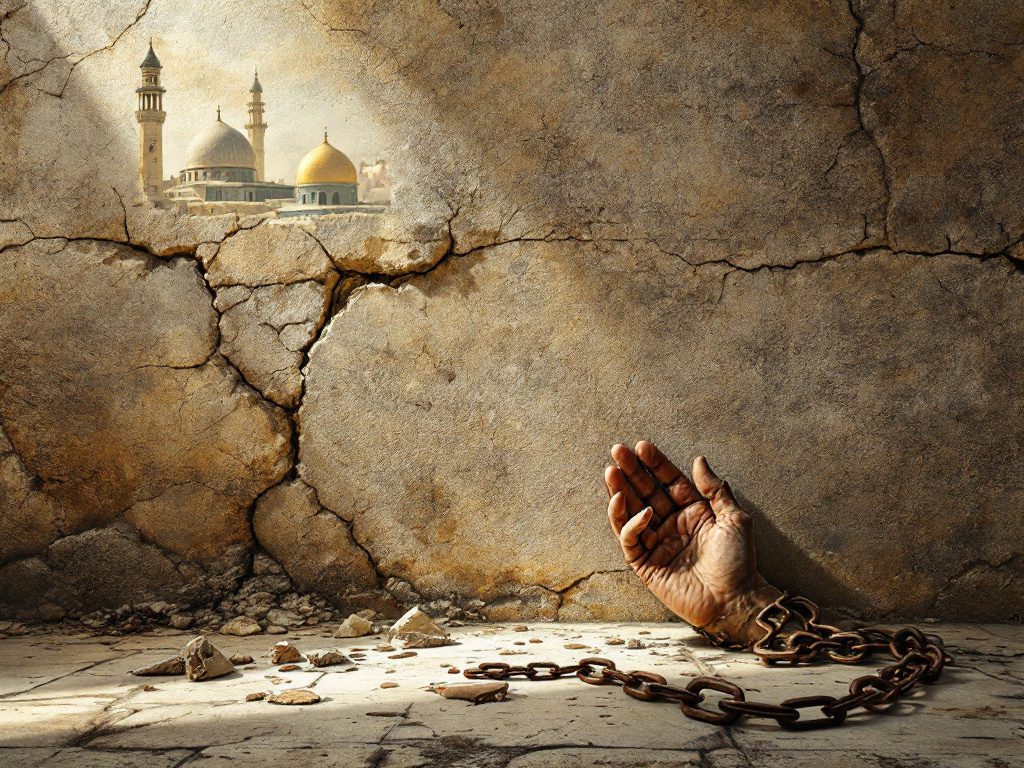
In a provocative gesture ratcheting up regional tensions, far-right Israeli National Security Minister Itamar Ben-Gvir conducted a controversial visit to Jerusalem’s Al-Aqsa Mosque compound, drawing immediate and widespread condemnation. Accompanied by heavy police presence and a cohort of over 24 Israeli settlers, Ben-Gvir’s provocative appearance stood as an alarming sign of an Israeli policy that continues to inflame hostilities and disrupt neighborhood status quos.
Mounting International Outcry
The international response to Ben-Gvir’s incursion was swift and fiercely critical. Jordan, custodian of Islamic and Christian holy sites in Jerusalem, emphasized that Israel holds “no sovereignty over occupied Jerusalem and its Islamic and Christian holy sites,” underscoring the provocative nature and international concern surrounding such visits. Saudi Arabia echoed the condemnation strongly, describing the act as unacceptable both diplomatically and morally.
Far from being an isolated incident, Ben-Gvir’s actions are symptomatic of a broader Israeli strategy aimed at altering the demographic and cultural landscape of East Jerusalem. Palestinian officials see this incremental encroachment as a deliberate move to “Judaize” the city’s Arab quarters, eroding the historic and cultural rights of the Palestinian people. Amid ongoing hostilities in Gaza, such provocations not only fan the flames of violence but also deepen the gulf between the aspirations of the international community for Middle East peace and the stark realities imposed by the Israeli right-wing government.
Provocation Amidst Profound Unrest
The timing of Ben-Gvir’s “storming,” coming just days before the Jewish Passover holiday, raises critical questions about the intent and potential fallouts that hinge on such a calculated move. Hamas, quick to denounce the visit as yet another aggressive Israeli measure, called upon Palestinians to “escalate their confrontation” in defense of the revered mosque. As tensions simmer and conflict brews, Hamas’s call underscores the enormous risks such provocations pose in a climate already teetering on the brink of more extensive turmoil.
Historically, the Al-Aqsa Mosque compound has served as a potent flashpoint for confrontation and violence. Notably, in September 2000, Ariel Sharon’s provocative tour of the compound ignited the Second Intifada, a devastating uprising that resulted in thousands of casualties. Ben-Gvir’s latest intrusion thus tragically recalls these grim precedents, evoking fears of further escalation that could precipitate yet another cycle of violence and counter-violence in the beleaguered region.
“These continued provocations at Al-Aqsa risk repeating the tragic history we’ve seen unfold far too often,” warned Rana Khatib, a notable Palestinian human rights advocate.
A Breach of Status Quo?
Officially, Israel maintains its commitment to a delicate “status quo” that allows non-Muslim visits during designated times but prohibits prayer or religious display by Jews. Yet, the reality on the ground seems increasingly inconsistent with these assurances, especially given Ben-Gvir’s repetitive incursions—his sixth since joining Netanyahu’s government last year. Despite government claims to the contrary, his visit represents a clear signal that fundamental religious and geopolitical balances may be shifting beneath the surface of so-called “status quo” commitments.
Since the latest outbreak of hostilities in Gaza beginning October 7th, 2023, Israeli authorities have intensified travel restrictions on Palestinians, severely curtailing access to East Jerusalem and deeply limiting the Palestinian community’s ability to engage with one of their holiest sites. This move, ostensibly justified as a security measure by Israel, practically translates into an encroachment on Palestinian freedoms and a unilateral redefinition of Jerusalem’s character.
The ideological underpinnings of Ben-Gvir’s actions portray a narrow, exclusionary vision for Jerusalem. The insistence on these provocative visits, particularly during fraught periods like the Passover lead-up, demonstrates both political opportunism and dangerous recklessness. At stake are not only religious freedoms and political sovereignty but also the fragile thread of coexistence upon which peace talks and international diplomacy precariously rest.
With global eyes turning to Al-Aqsa again as a critical flashpoint, one must ask: is state-sanctioned provocation the path Israel truly wishes to tread? Or will it finally heed the call of international actors and civil society voices urging restraint, respect, and genuine dialogue? The need for compassionate and inclusive governance, respectful of all religious traditions and cultural identities, has never been more evident as we witness these distressing provocations unfold.
