
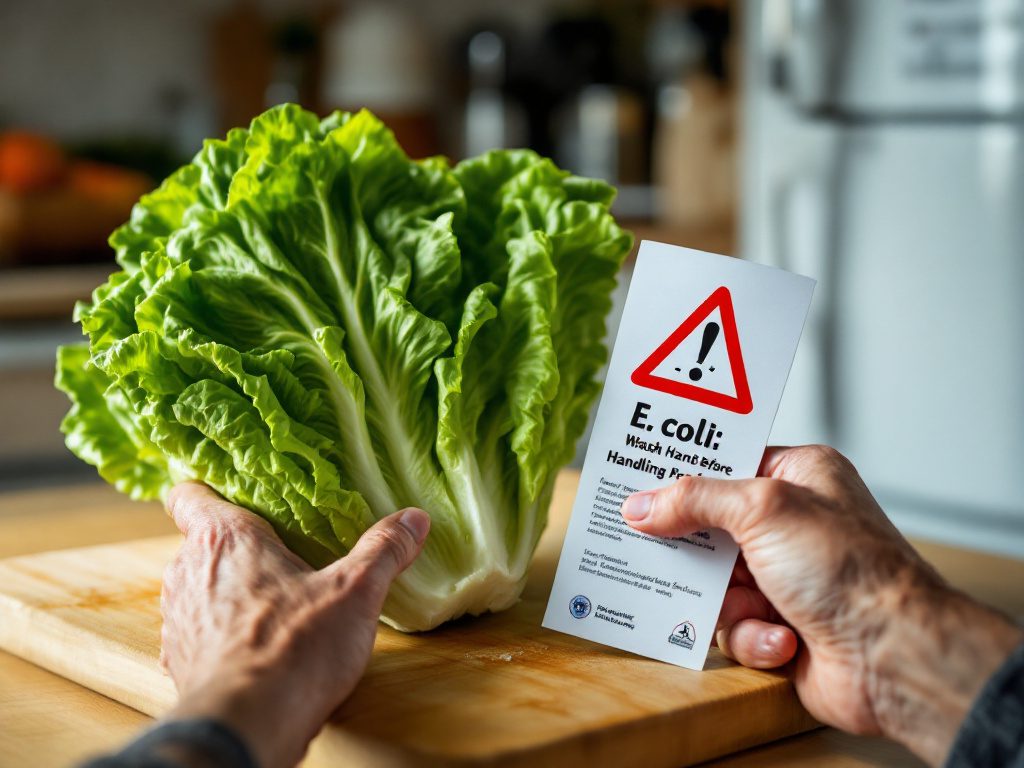
A Troubling Silence: When Public Health Takes a Back Seat
When a nine-year-old in Indiana landed in the ICU with kidney failure and a Missouri community mourned a 57-year-old’s death, few outside those circles realized these tragedies were linked by something as common as a salad. In late 2024, a deadly E. coli outbreak swept across 15 states, eventually sickening at least 89 people and resulting in 36 hospitalizations and one confirmed fatality. The surprising twist? The Food and Drug Administration (FDA), the very agency tasked with consumer protection, chose not to publicize the outbreak’s details while it was still unfolding. This decision left families, communities, and food safety experts grappling with questions—and outrage—over a lack of transparency that risked public health for the sake of bureaucratic process.
The initial cluster of illnesses emerged in early November, shortly after romaine lettuce was served at a high school in St. Louis County, Missouri. By the time county officials confirmed 115 cases and 13 hospitalizations locally, similar outbreaks were quietly surfacing in school lunchrooms, catered events, and local restaurants across the Great Plains and Midwest. Despite the clear, communal nature of exposure, and evidence eventually pointing toward a single lettuce grower, those affected—and the broader public—remained largely in the dark.
The Cost of Cover-Up: Eroding Public Trust and the FDA’s Rationale
A closer look reveals that FDA officials waited to identify or publicly name the implicated grower or any brands, citing a lack of actionable advice for consumers by the time an investigation completed. Their reasoning? By the time the outbreak’s source was tracked to its farm, no contaminated lettuce was believed to remain on supermarket shelves or in distribution.
Yet, as food safety attorney Bill Marler and advocates for greater transparency rightly argue, withholding information about which company supplied the contaminated product undermines the public’s right to know and erodes trust in the very institutions meant to protect us. Imagine, for a moment, that you or a loved one suffered severe illness—or worse—without even being aware of an ongoing threat associated with a staple food. It’s more than negligence; it’s an abdication of the fundamental duty to keep the public informed and safe.
While the FDA claims it did not violate policy and that it names firms when evidence is sufficient and advice is actionable, this defense rings hollow to many in the food safety world. In high-profile equivalent outbreaks, transparency and rapid communication have saved lives. Remember the 2018 romaine recall? That incident, though smaller in scope, was highly publicized, leading consumers to immediately pull suspect produce from their kitchens. Why was this deadly 2024 event handled so differently?
Food safety expert and former FDA public engagement leader Taryn Webb puts it bluntly: “We no longer have all the mechanisms in place to learn from those situations and prevent the next outbreak from happening.” The comment points not just to secrecy, but also to a deeper institutional unraveling following extensive staff cuts implemented under the Trump administration—a moment with ripple effects now coming home to roost.
“When agencies responsible for our safety withhold information about deadly outbreaks, it’s not just a bureaucratic misstep—it’s a betrayal of public trust and a dangerous precedent for the future of food safety.”
— Bill Marler, food safety attorney
Beyond the missed opportunity to warn the public, legal action is now surfacing. Seattle-based firm Marler Clark is representing victims against Taylor Farms, the grower implicated in the outbreak by several internal reports. Taylor Farms has vocally denied responsibility, stating that their own extensive testing found no evidence of contamination. This legal standoff underscores the confusion—and the stakes—when the government fails to provide clear, timely information.
Transparency, Accountability, and Lessons Unlearned
History shows the high cost of silence. The infamous Jack in the Box E. coli outbreak of 1993, which killed four children and sickened hundreds, directly led to sweeping reforms and a cultural shift in food safety. The key lesson from that tragedy? Transparency isn’t just a courtesy; it’s a life-saving imperative. When government agencies withhold data about pathogens in our food supply, it hobbles the ability of families, doctors, and food service workers to make informed choices.
Why, then, the retreat from openness in the current era? Structural changes at the FDA point to a troubling side effect of so-called “small government” initiatives. Public-facing teams tasked with communicating foodborne illness risks saw major layoffs as part of a larger push to shrink federal oversight. According to Harvard public health researcher Dr. Amelia Snyder, “Every headcount cut means greater risk that dangerous outbreaks will slip through the cracks, or worse, deliberately stay hidden from those who need to know.”
Looking at other recent outbreaks—from cantaloupe to spinach—the pattern is clear: early, transparent disclosure enables consumers to take action, while recognizing that the mere absence of product from shelves does not undo the past harm or guarantee public safety. This is especially urgent since outbreaks often affect vulnerable populations: schoolchildren, the elderly, or those with compromised immune systems.
So who bears accountability when families lose loved ones or face lifelong health consequences? Agencies like the FDA must be reminded that protection of corporate reputation cannot come at the cost of public health. Federal law may not technically compel disclosure in all foodborne illness cases, but the ethical duty is clear—especially when lives are at stake.
Restoring Trust and Reimagining Food Safety
If the 2024 lettuce-linked E. coli outbreak teaches us anything, it’s that democratic governance only works when agencies act as true stewards, not gatekeepers. Restoring confidence will require more than apologies and after-action reports. Congress should review current FDA disclosure policies, enshrine transparency protections in law, and provide robust funding for food safety communication teams. The American public deserves a system where those who monitor threats don’t just act—and react—behind closed doors.
Beyond Capitol Hill, consumer advocacy must demand stricter accountability. Food safety watchdogs, from state health departments to grassroots organizations, need better legal tools for compelling information release. Collaboration—rather than competition—should define the relationship between government regulators and victims’ advocates.
Today’s realities call for a new era where public health transparency is nonnegotiable and government is equipped, staffed, and empowered to face down the next foodborne threat, no matter how politically inconvenient it may seem. Only then will we honor those harmed not only by pathogens, but by silence.
