
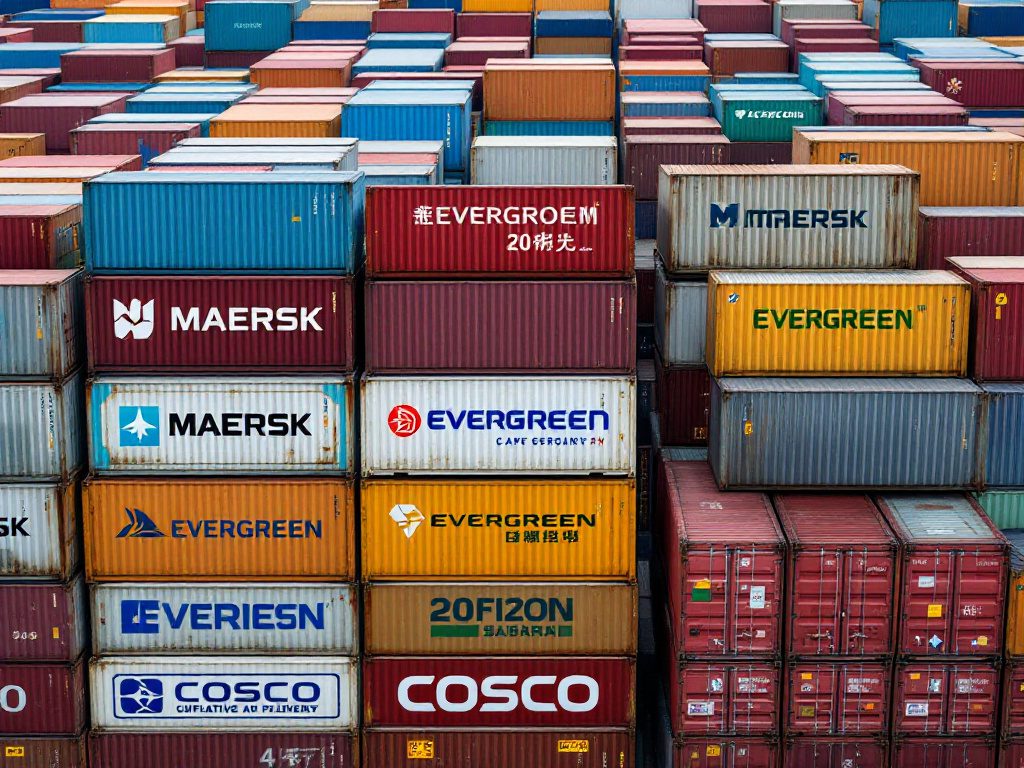
Behind the Deal: Ports, Power, and Geopolitical Chess
What happens when the world’s busiest shipping arteries become the stage for big-power intrigue? The fast-evolving drama surrounding PSA International’s potential sale of its 20% stake in CK Hutchison’s colossal ports business, against a backdrop of rising U.S.-China tensions and eye-watering sums, reveals that maritime infrastructure isn’t just about crates and cranes—it’s a battleground of global influence.
At the heart of the deal lies control of ports hugging the Panama Canal, one of the world’s most strategic bottlenecks. CK Hutchison, the Hong Kong-based conglomerate helmed by tycoon Li Ka-shing, is aiming to sell its 80% stake in the business to a BlackRock-led consortium for an equity value of $14.2 billion—around $22.8 billion when including debt. Last month’s shock announcement immediately sent shockwaves beyond boardrooms: U.S. President Donald Trump called the deal a “reclaiming” of the historic canal, echoing decades of American anxieties over foreign (particularly Chinese) control of infrastructure in the Western Hemisphere.
Singapore’s PSA International—owned by state investment giant Temasek—quickly signaled willingness to consider the sale of its minority stake, aligning itself with CK Hutchison’s move. Notably, the deal’s scope is immense: it covers 43 ports in 23 countries, excluding Chinese and Hong Kong facilities but including those crucial Panama ports. Experts are quick to flag what’s at stake. “This is not just a corporate reshuffle—it’s a redrawing of supply chain loyalties on which millions of jobs and billions in trade depend,” says maritime economist Dr. Fiona Tong of the University of Singapore.
Winners, Losers, and the Shadow of Sino-American Rivalry
The timing couldn’t be more charged. As the world’s trading nations jostle for post-pandemic recovery, control over global shipping lanes is once again at the top of security briefings. Behind the scenes, this port deal is loaded with symbolism. Beijing’s quick condemnation—Chinese state media dubbed the sale “a betrayal”—underscores deep fears that Washington is clawing back leverage in Latin America’s economic lifeline. This isn’t just posturing: China has spent decades investing in “Belt and Road” infrastructure, including ports spanning Africa and Latin America, seeking to secure routes for goods and strategic resources.
Yet here, with BlackRock poised to take over assets that had significant indirect Chinese ties, the winds appear to be shifting. “The reprisal rhetoric from Chinese media isn’t empty,” remarks Professor William Lam, an expert in East Asian geopolitics at SOAS University of London. “Regaining U.S.-aligned control over the Panama Canal’s key waypoints is both a symbolic and practical victory for Washington, especially with global supply chains under stress.”
“This is not just a corporate reshuffle—it’s a redrawing of supply chain loyalties on which millions of jobs and billions in trade depend.” — Dr. Fiona Tong, University of Singapore
What’s at risk are not just national egos, but real-world ripple effects across a planet already grappling with inflation, resource shortages, and a new era of protectionism. Every twist in the negotiation shapes how goods—from iPhones to food staples—move across continents.
Corporate Imperatives and the Uncomfortable Truth About Globalization
PSA’s quiet contemplation of an exit from CK Hutchison is more than just savvy portfolio hygiene. Skepticism toward megadeals in an era of rising nationalism is hardly misplaced. In an email statement, neither PSA nor CK Hutchison commented on pricing or deal specifics—a silence perhaps as telling as any press release. PSA spent $4.4 billion on its stake in 2006, capitalizing on globalization’s relentless march. Now, with shipping volatility and regulatory scrutiny mounting, even giants think twice about where their investments might land.
Antitrust regulators in China have initiated reviews of the proposed BlackRock acquisition, a reminder that mega-mergers in the logistic sector come with strings attached. The exclusion of Hong Kong and mainland China ports from the transaction speaks volumes: as decoupling rhetoric grows, even the most interconnected businesses weigh which bridges are too risky to cross. According to a June 2024 Pew Research Center survey, over 62% of Americans now support keeping strategic infrastructure under domestic or allied control—a marked increase since 2018.
The underlying message couldn’t be clearer: Conservative talking points touting patriotism and market “reclamation” are often less about practical economic benefit and more about stoking old rivalries and new fears. At the same time, these policies risk reducing the resiliency and diversity of trade networks that underpin economic stability worldwide.
Progressive voices urge a more nuanced approach. “All this deal-making drama hides a bigger question—how do we ensure port ownership benefits workers and communities, rather than just amplifying the power of a handful of global asset managers?” asks environmental advocate Larissa Kim, co-founder of FairPort Futures. She argues that public interest and environmental standards should be core to such seismic infrastructure changes, not afterthoughts.
What’s Next: Oversight, Accountability, and the Global Common Good
Where does this leave Singapore’s PSA and the wider public? PSA operates 70 terminals in 45 countries, making it a true bellwether for global trade health. Yet this deal-driven turbulence exposes glaring gaps in how international infrastructure deals are scrutinized. Rushed privatizations and backroom negotiations often prioritize profit over transparency, labor rights, and environmental sustainability.
Should we cheer a perceived Western “win” in the Panama Canal or pause to ask who actually benefits? Even as antitrust authorities in China pore over specifics and U.S. politicians tout the agreement as a triumph, many voices remain unheard—including dockworkers, local economies, and environmental watchdogs. “Ports are not just chess pieces for superpowers—they’re lifelines for local livelihoods and engines for a greener future,” Kim emphasizes.
The global public deserves a seat at the table. True progress demands democratic oversight and values-driven stewardship—not just another shifting of power among multinational behemoths. The outcome of the PSA-CK Hutchison-BlackRock deal will reverberate well beyond balance sheets. For anyone committed to social justice, equitable trade, and sustainability, the question isn’t just who owns the ports—it’s who shapes the future they’re meant to serve.
