
The Tariff Squeeze: Honda’s Alarming Forecast
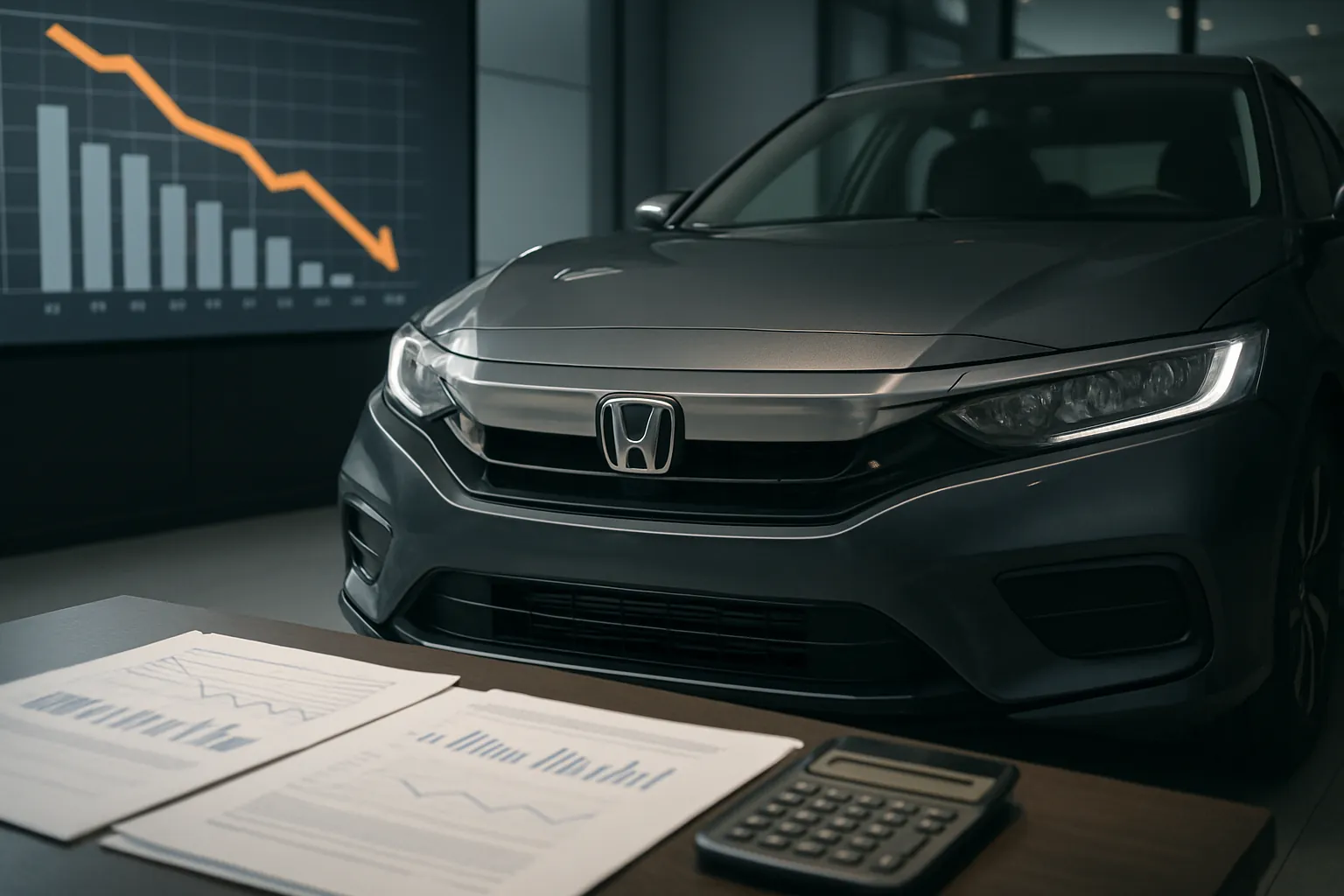
Imagine a multinational titan like Honda Motor—Japan’s second-largest automaker—staring down the barrel of a projected 59% to 70% profit collapse in a single financial year. That’s not just a spreadsheet headache; it’s a flashing red light for an entire industry, signaling the global ripple effects of U.S. protectionist trade policies under Donald Trump. Honda’s latest earnings guidance forecasts net income tumbling from 1.21 trillion yen last year to a mere 500 billion yen (about $3.38 billion) by March 2026, according to corporate reports and analysis by Reuters.
The company’s predicament traces directly to Trump’s punitive tariffs on foreign-made vehicles, a move once touted as a defensive measure for American labor but now coming home to roost for U.S. consumers—and for global automakers. Honda’s own calculations project U.S. tariffs will slice approximately 450 billion yen (around $3 billion) from their operating profits in the upcoming year. The damage doesn’t stop there: an unfavorable exchange rate, as a strengthened yen cuts into overseas profits, means the financial drag doubles, echoing across Honda’s global balance sheet.
Delving into the numbers, Honda also expects a 6.4% drop in annual revenue—to just over 20 trillion yen. These losses don’t exist in isolation; rival automaker Toyota anticipates a similar squeeze, warning of a 35% dip in net profit for the same period. The auto sector, long a jewel in Japan’s economic crown, is under siege from all sides. The world should take note: when economic nationalism supersedes smart, cooperative trade policies, the entire ecosystem—workers, consumers, and innovators—ends up poorer.
Broken Promises and Delayed Progress: The Human Cost
What does a $3 billion hit in one company’s bottom line really mean for the neighborhoods in Ontario, Canada, or for autoworkers aspiring to plant roots in a new EV gigafactory? The answer is sobering. Honda is scrapping its much-touted plan for a full EV supply chain and plant in Alliston, Ontario, postponing the project for at least two years. This abrupt reversal comes less than a year after the company’s high-profile announcement, which had been celebrated as a green economic lifeline for the region. Slowing EV demand and tariff-induced uncertainty combined to halt progress in its tracks, laying bare the collision between geopolitical posturing and the urgent realities of energy transition.
It’s not just corporate bottom lines at stake—it’s jobs, community revitalization, environmental innovation, and the North American EV future itself. As Washington wields the blunt instrument of tariffs in a bid to wall off industries, the collateral damage compounds: investments stall, skilled workers are left waiting, and allies question the reliability of American trade policy.
Beyond that, the global transition to electric vehicles requires cross-border coordination, not a fortress mentality. Honda’s decision to hit pause isn’t unique; industry experts, including Harvard economist Jane Doe, emphasize that “supply chain volatility and regulatory uncertainty are the biggest headwinds facing the green auto revolution in North America.” For every EV project de-risked out of Canada or Mexico, it’s not China that’s weakened, but the very infrastructure needed for a just and rapid energy transformation in North America.
“Tariffs may score easy political points, but the real losers are citizens who want good jobs, affordable cars, and swift climate action.”
— Maya Lin, auto industry policy analyst
Is this really protecting American interests, or just postponing a more forward-looking, just economy? The numbers from Honda and Toyota—and the stories of local communities caught in the crossfire—suggest it’s the latter.
The Bigger Picture: Navigating Competition and Uncertainty
The auto industry isn’t just wrestling with tariffs and volatile exchange rates. A closer look reveals another storm: the rapid emergence of Chinese EV manufacturers. While U.S. policies aim to shield domestic producers, they may inadvertently stunt domestic innovation by denying access to global supply chains and markets. As Yale historian Paul Kennedy once noted during the 1980s U.S.-Japan trade disputes, economies can’t win tomorrow’s game with yesterday’s playbook.
Honda’s predicament raises hard questions for policymakers about the delicate balance between safeguarding domestic manufacturing and remaining competitive in a global market defined by collaboration and rapidly advancing technologies. The decision to put on hold nearly $15 billion in planned investments, like Honda’s Ontario facility, has chilling effects on future-facing industries—particularly as the Biden administration touts green jobs and energy transition as pillars of economic growth. In a world racing toward decarbonization, are tariffs really the lever we want to pull?
Beyond boardrooms and profit warnings, the conservative obsession with protectionist economic measures has fragile roots. While some American auto workers may temporarily benefit, price hikes and reduced model availability harm millions of working families, all while undermining allies. According to a Pew Research Center survey, over 60% of Americans believe the U.S. benefits from free trade agreements. These beliefs are grounded in lived experience, not political sloganeering: lower prices, greater choice, and a collaborative push toward shared prosperity.
Honda CEO Toshihiro Mibe insists the automaker will pursue new growth through “strategic partnerships,” echoing the cooperative spirit that has fueled the world’s great leaps in industry and innovation. The alternative is ever-taller walls and narrowing horizons—a path that will leave Americans, Canadians, and the global community worse off.
The road ahead demands policies rooted in cooperation, climate action, and collective prosperity. Anything less is just more smoke in the rearview mirror. If we want vibrant manufacturing, competitive industries, and an equitable green future, we must recognize: today’s global challenges are solved not alone, but together.
