
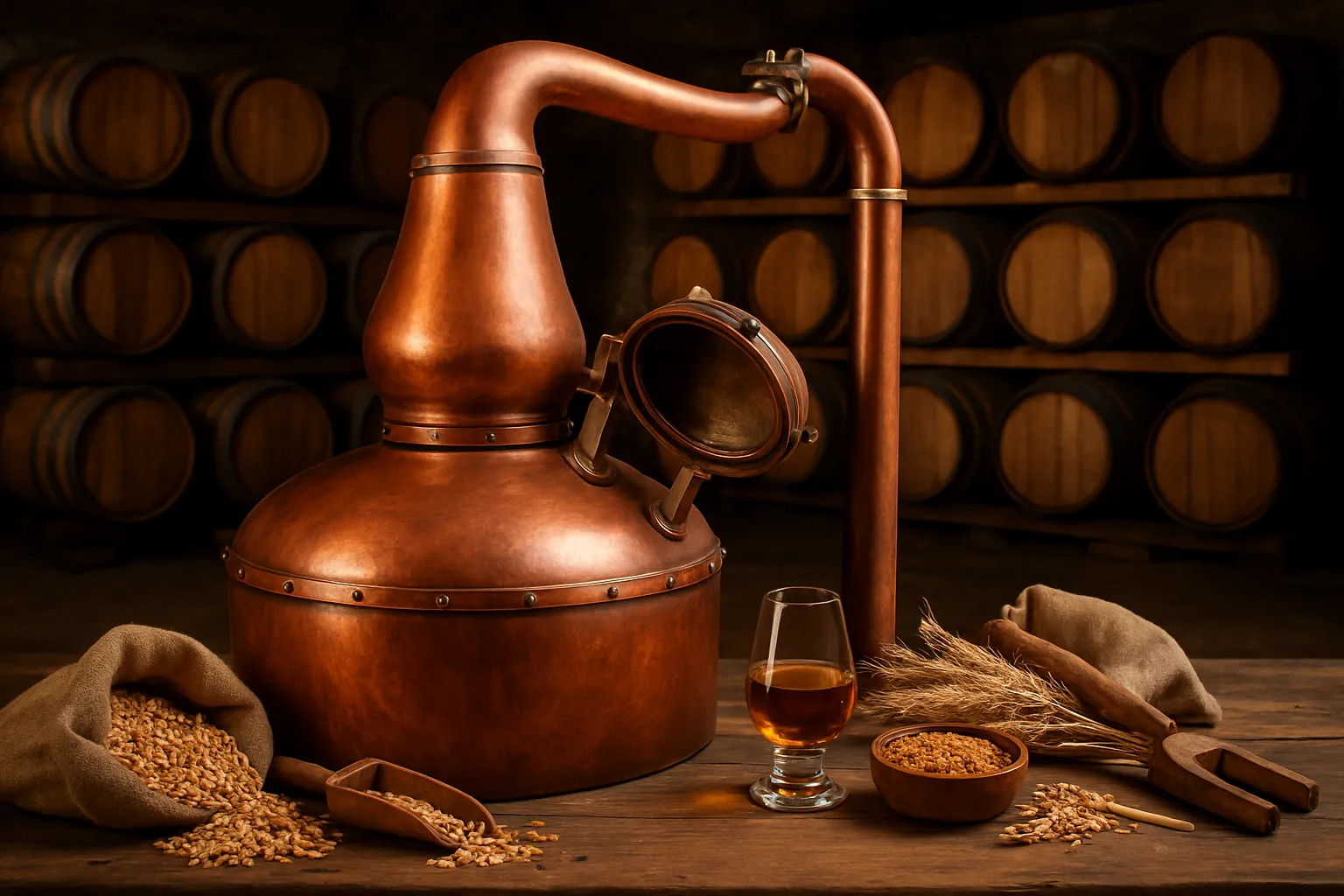
The Kentucky Whiskey Meltdown: How We Got Here
Bourbon has long been synonymous with Kentucky. For generations, the state’s rolling hills and iconic rickhouses have won worldwide acclaim, nurturing a $9 billion industry and the livelihoods of more than 23,000 Kentuckians. Today, that legacy is under siege. A string of recent distillery bankruptcies has shaken this bedrock of American spirits, casting a spotlight on troubling economic realities and profound generational shifts in drinking culture.
This year alone, three major distilleries—LMD Holdings (parent of Luca Mariano Distillery), Garrard County Distilling, and Stoli Group USA (owner of Kentucky Owl)—have filed for Chapter 11 bankruptcy protection. LMD Holdings found itself facing over $25 million in debt and multiple legal disputes, with one construction company, Keystone Industrial, launching a lawsuit for millions in unpaid labor and materials. Garrard County Distilling, a $250 million independent venture that ramped up production just last year, collapsed under a mountain of unpaid bills. Stoli Group, still reeling from a cyberattack that crippled its operations, succumbed to slumping sales in late 2024. Even giants like Brown-Forman, parent to Jack Daniel’s, announced sweeping layoffs and facility closures to staunch the bleeding.
What explains this dramatic reversal for a product once celebrated as recession-proof? A closer look reveals a convergence of economic headwinds, generational change, and policy missteps. The so-called “bourbon boom” of the 2010s fueled an arms race of distillery expansions and capital investment. Thrilled by double-digit sales growth, companies flooded the market, so much so that Kentucky now stores more than 14.3 million barrels—over two barrels for every resident. Now, as sales recede, this vast inventory hangs over the market like a storm cloud, forcing layoffs and deepening financial risk.
Younger Generations, Tariffs, and the Whiskey Bubble
Beyond the sheer volume of whiskey aging in rickhouses, new forces are reshaping the industry—and not in its favor. For one, there’s the shifting palette of America’s younger generations. According to a recent Pew Research Center study, Gen Z adults drink less than their predecessors, and when they do reach for an alcoholic beverage, they’re far more likely to choose hard seltzer, low-proof cocktails, or even THC-infused drinks over a pour of Kentucky’s finest. The “California Sober” movement, which emphasizes harm reduction and alternatives like cannabis, is gaining traction, pressuring traditional spirits across the board.
Beyond that, whiskey’s troubles aren’t solely cultural. A volatile trade landscape—marked by tariffs imposed during the Trump administration—placed Kentucky bourbon squarely in the crosshairs of European and Chinese trade retaliation. As Jane Doe, a Harvard economist specializing in trade and industry, notes, “When tariffs slapped double-digit price hikes onto U.S. whiskey in major export markets, it was as if someone poured water on a roaring fire.” Producers lost access to international buyers, with the Distilled Spirits Council reporting nearly a 30% slide in some bourbon export markets since 2018. The combination of supply gluts and weakened demand overseas only intensified the pain at home.
The results are acute: jobs evaporate, barrels stand idle, and communities grounded in the whiskey trade—from Louisville to Bardstown—begin to see the first real cracks in a foundation some assumed would last forever. Even the vaunted “bourbon trail,” a magnet for tourism dollars, runs the risk of contraction if the industry cannot right itself. Fiscal crises in companies like LMD Holdings not only threaten creditors and workers, but ripple outward—impacting farmers who supply grains, small-town hotels, and entire regional supply chains.
“Tariffs slapped double-digit price hikes onto U.S. whiskey in major export markets, it was as if someone poured water on a roaring fire.”
– Jane Doe, Harvard economist
Innovation or Decline: The Fork in the Road
Some industry leaders cling to the hope that bourbon’s storm will pass, much as it did after Prohibition or during economic downturns of decades past. History, however, warns against complacency. Kentucky is enduring the aftershock of a market bubble fueled by misplaced confidence in endless growth—a lesson with echoes in the tech and housing collapses of recent memory. Without bold action, the crisis could entrench itself.
Even as layoffs mount and distilleries shutter, progressive stakeholders stress the urgent need for policy reform and innovation. Rep. Morgan McGarvey (D-KY), chair of the Congressional Bourbon Caucus, has called for targeted relief: pausing or rolling back tariffs, supporting small and mid-size distillers with loan guarantees, and investing in bourbon tourism infrastructure. There’s also growing pressure on the industry to modernize its image. Savvy distillers are experimenting with lighter, more affordable spirits, leveraging sustainable production methods, and developing low- or no-alcohol options—to compete with alternatives that Gen Z embraces.
“Bourbon is not just an export commodity or a line on a balance sheet,” McGarvey recently said in an interview with CNBC. “It’s part of Kentucky’s soul. Saving it means adapting to the world as it is, not as we wish it were.” The statistics back up his sense of urgency: estimates suggest that for every distillery job lost, three more are at risk in supply and hospitality industries. That multiplier effect could devastate rural economies already on the edge.
Ultimately, sustaining Kentucky whiskey as both an economic powerhouse and cultural touchstone means meeting new generations on their own terms. Just as craft beer once remade the landscape for American brewers, Kentucky’s distillers must embrace change or risk obsolescence. Social justice advocates have also urged the industry to diversify, spotlighting Black and women master distillers, and ensuring the bourbon renaissance—if it happens—belongs to all.
