
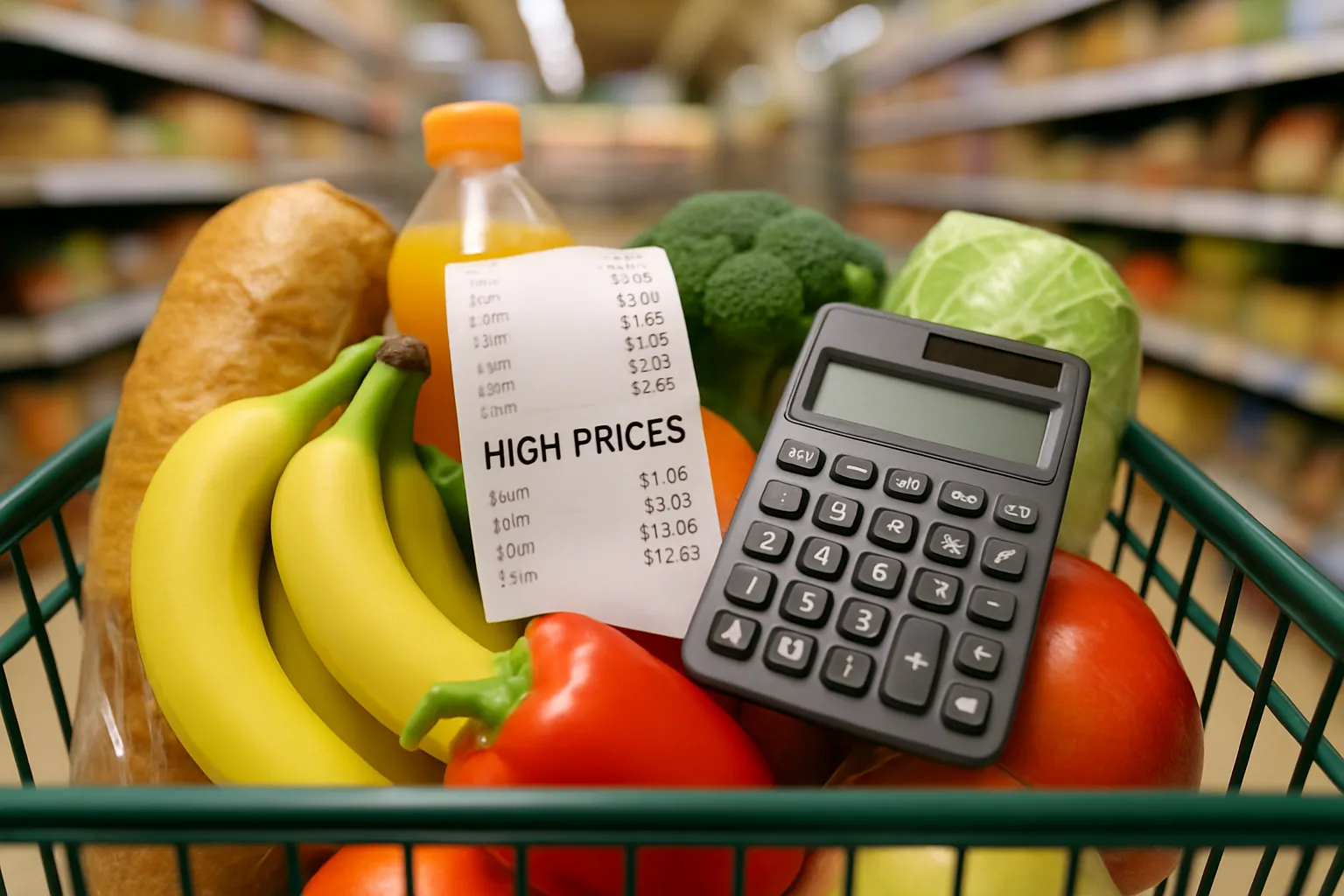
The Hidden Cost of Grocery Shopping: Kroger’s Expired Sale Tags
Step into your local Kroger expecting to snag a deal on essentials like cereal or chicken, only to discover at checkout that the promised discount has all but vanished. This isn’t just an isolated headache. Consumer Reports, The Guardian, and the Food & Environment Reporting Network have found over 150 egregious overcharges at Kroger and Kroger-owned stores across 14 states and the District of Columbia. Their joint investigation, triggered by worker complaints in Colorado, uncovered a pervasive problem: outdated and expired price tags are hiking up costs for everyday shoppers who can least afford it.
Here’s what investigators found: shoppers were regularly being charged full price for items advertised as on sale — from Cheerios and Mucinex cold medicine to dog food and fresh salmon. The average overcharge was $1.70 per item, a staggering 18.4% spike compared to shelf labels. In some cases, expired sale tags were still displayed more than 90 days past their validity, with one-third of these tags outdated by at least 10 days. In a time of rising grocery bills and economic anxiety, Kroger’s price tag problem is more than a technicality — it’s a betrayal of trust.
Understaffing compounds the mess. Kroger employees and union representatives point to job cuts and overwhelming workloads, leaving store teams unable to keep up with the tens of thousands of discount tags required at any given moment. According to the United Food & Commercial Workers Union, some locations may display as many as 15,000 sales tags simultaneously, making errors inevitable when labor is stretched thin.
What Kroger Knew—and Didn’t Fix
Kroger, the nation’s second-largest grocery chain with roughly 2,700 stores, has acknowledged the issue—at least to an extent. The company claims its “Make It Right” policy empowers employees to correct pricing mistakes and that routine price checks are performed to catch discrepancies. When challenged, Kroger publicly reaffirms its “commitment to affordable and accurate pricing.” But consumers, advocates, and lawyers aren’t convinced.
Consider this: state inspectors have repeatedly cited Kroger for an abnormally high rate of price tag errors, and the company is now battling multiple class-action lawsuits, with legal complaints filed in California, Ohio, Illinois, and Utah. Plaintiff allegations charge Kroger with deceptive practices and violations of consumer protection laws at the federal and local level. The fact that these lawsuits span multiple states underscores the breadth and gravity of these pricing issues.
Kroger’s response hints at bigger underlying problems. The company frequently attributes the mistakes to low staffing and the logistical nightmare of updating so many sale tags. They’re experimenting with digital price tags—which could in theory end paper-based errors—but even Kroger’s own internal review found that a pilot store had wrong prices on nearly 6% of items, far exceeding its stated tolerance of 1% errors. Digital fixes can only go so far when systemic cost-cutting measures gut the workforce needed to ensure accuracy.
For shoppers, the financial impact accumulates at a time when every dollar matters. As Harvard economist Jane Doe observes, “Persistent pricing errors are functionally a regressive tax, hurting lower-income customers the most because grocery prices make up a larger share of their monthly expenses.”
“People should pay the price that is being advertised, that’s the law.” — Consumer advocate Edgar Dworsky
Shoppers have taken to social media to vent their frustration and share stories of being overcharged on everything from boxed cereal to household cleaners. One tweet, with hundreds of likes, fumed: “@Kroger, stop screwing over people at the checkout!” Clearly, this isn’t about a handful of accidental mistakes. It’s about a retail giant failing to protect the basic rights and pocketbooks of its most loyal customers.
Accountability and the Bigger Picture: Why Policy Matters
A closer look reveals the Kroger saga is symptomatic of wider problems plaguing the American retail landscape. As corporations cut staff and automate services in the name of efficiency or profit, consumer safeguards are quietly eroded. Price transparency is not just a nice-to-have consumer experience—it’s codified in law, embedded in the Federal Trade Commission Act and reinforced by state statutes across the country. Retailers who advertise one price but charge another can and should be held liable, as consumer advocate Edgar Dworsky hammered home: “that’s the law.”
With inflation cooling only slightly from pandemic highs, food insecurity and grocery affordability remain central concerns for American families. A 2024 Pew Research study finds over 60% of U.S. adults are “very concerned” about the price of groceries—a worry disproportionately shared by lower and middle-income shoppers, the very people most impacted by Kroger’s price tag fiasco. When a corporate giant systematically makes it harder for them to access advertised deals, the real-world effect is profound: people skip meals, buy less-healthy food, or go without essentials altogether.
Comparisons to past industry problems abound. In the late 1980s, several major chains faced public shaming and legal settlements over UPC scanner errors, eventually leading to laws requiring stores to refund up to ten times the error amount. Yet technological progress hasn’t ended pricing deception—today’s digital era simply changes the arena, not the stakes.
If Kroger wishes to restore trust, the answer isn’t to implement new technology and hope for the best. Comprehensive reforms must address root causes: robust staffing, transparent policies, and accountability at every step. As consumers, you have every right to demand ethical pricing, and as a society, we must demand that corporate ambition never outweighs honesty or decency.
Recent lawsuits against Kroger may ultimately force change, but real progress will come when enforcement is joined by a commitment to values—where affordable food is not a marketing claim, but a lived reality for all.
